
Vegetables
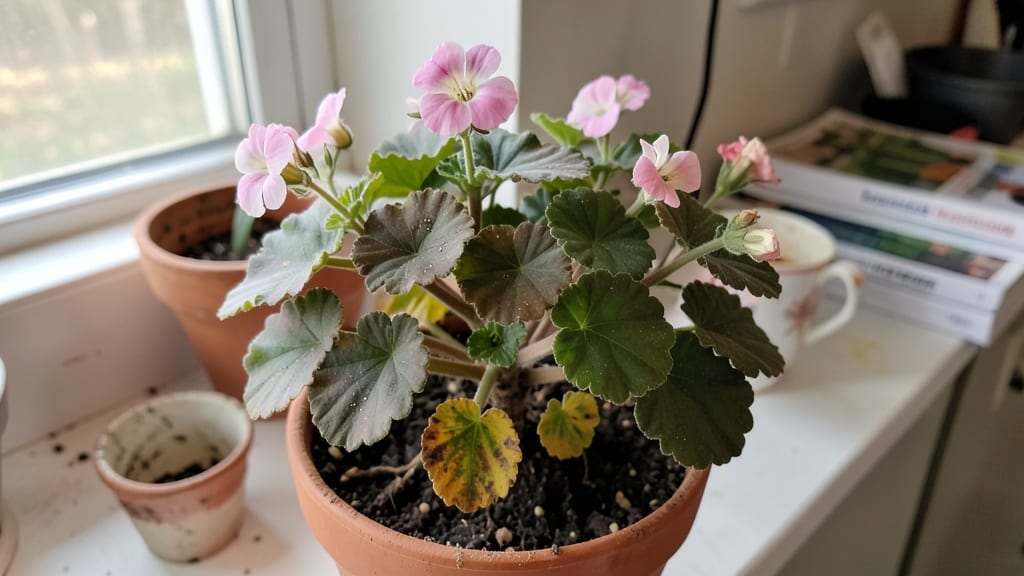
The Gardens World Show highlights breathtaking botanical displays, expert-led sessions on eco-friendly gardening techniques, and live plant showcases from leading nurseries. This year’s event includes hands-on urban gardening demos, rare plant collections, and workshops focused on gardening tools and sustainable practices.
The Gardens World Show isn’t just a gardening event—it’s a celebration of innovation and sustainability in horticulture. 🌱 You’ll discover cutting-edge techniques like vertical farming and drought-resistant plant varieties, along with opportunities to connect with industry experts.
Whether you're a seasoned gardener or just starting, the interactive exhibits make learning engaging and practical. Plus, the show’s focus on eco-friendly methods ensures you leave with actionable tips for greener gardening at home.
From rare orchids to space-saving urban gardens, the event covers everything you need to elevate your green thumb. The workshops are particularly valuable, offering hands-on experience with tools and plants you might not find elsewhere.
Don’t miss the chance to network with professionals who can inspire your next gardening project! 💫
💡 In This Article
- Top Horticultural Trends Showcased at Gardens World Show
- How to Plan Your Visit to Gardens World Show
Top horticultural trends showcased at gardens world show
This year’s show is spotlighting drought-resistant plant varieties like sedum and lavender, which thrive with as little as 50% less water than traditional garden plants.
The science behind these species lies in their deep root systems and waxy leaf coatings that reduce evaporation. 🌵 For example, sedum stores water in its leaves, making it ideal for xeriscaping—where water conservation is critical.
These plants aren’t just resilient; they actively improve soil health by preventing erosion and reducing runoff.
Vertical gardening techniques are another major highlight, with experts demonstrating how aeroponic systems can grow 30-50% more plants in the same footprint compared to traditional soil-based methods.
These systems use misting nozzles to deliver nutrients directly to roots in a closed-loop environment, which cuts water usage by up to 90%. 💧 The show will feature real-world examples, like urban balconies transformed into productive gardens using modular planters.
Visitors can see how LED grow lights with full-spectrum wavelengths (400-700nm) optimize photosynthesis, even in low-light conditions.
Smart irrigation systems are revolutionizing home gardening, and this year’s show will showcase soil moisture sensors that automatically adjust water delivery based on real-time data.
These devices, like the Rachio 3 or Netafim systems, use algorithms to detect soil moisture and weather forecasts, preventing overwatering by up to 40%. 🌧️ The science here involves capacitive sensors that measure dielectric constants—how water affects electrical resistance in soil.
This tech isn’t just for large estates; compact versions are now affordable for suburban gardens, making precision irrigation accessible.
Rare plant collections will include heirloom varieties like Black Krim tomatoes, which boast 20% more lycopene (an antioxidant) than commercial strains.
The show’s horticulturists will explain how these varieties often have stronger disease resistance due to genetic diversity. 🍅 For instance, Cherokee Purple tomatoes contain higher levels of flavonoids, which studies link to reduced inflammation.
These plants are also being bred for climate resilience, with some varieties now thriving in USDA Zone 3 (as cold as -40°F), where traditional crops would fail.
Interactive exhibits will let attendees experiment with mycorrhizal fungi, which form symbiotic relationships with plant roots to enhance nutrient absorption by up to 80%.
These fungi, often called "nature’s internet," create a network underground that shares nutrients between plants. 🌍 The show will demonstrate how to inoculate soil with these beneficial microbes, a practice that’s gaining traction among organic gardeners.
This method reduces the need for synthetic fertilizers while improving soil structure, making it a cornerstone of regenerative agriculture.
Don’t miss the live demos on compost tea brewing, where aerobic decomposition creates a nutrient-rich liquid fertilizer.
The process involves submerging compost in water for 24-48 hours while aerating it to prevent anaerobic bacteria (which produce foul odors). 🌿 The result is a brew teeming with beneficial microbes that outcompete plant pathogens.
Exhibitors will share tips for balancing the tea’s microbial population, ensuring it’s safe for direct foliar application—a technique that can boost plant immunity by 30-50%.