Companion Plants
Annual garden plants are the secret weapon for gardens that look stunning all year—no matter what the season throws at you. 🌿 I used to think perennials were the only way to keep color going, but after three seasons of experimenting, I’ve found the right mix of annuals can turn a forgettable garden into a showstopper that never takes a break.
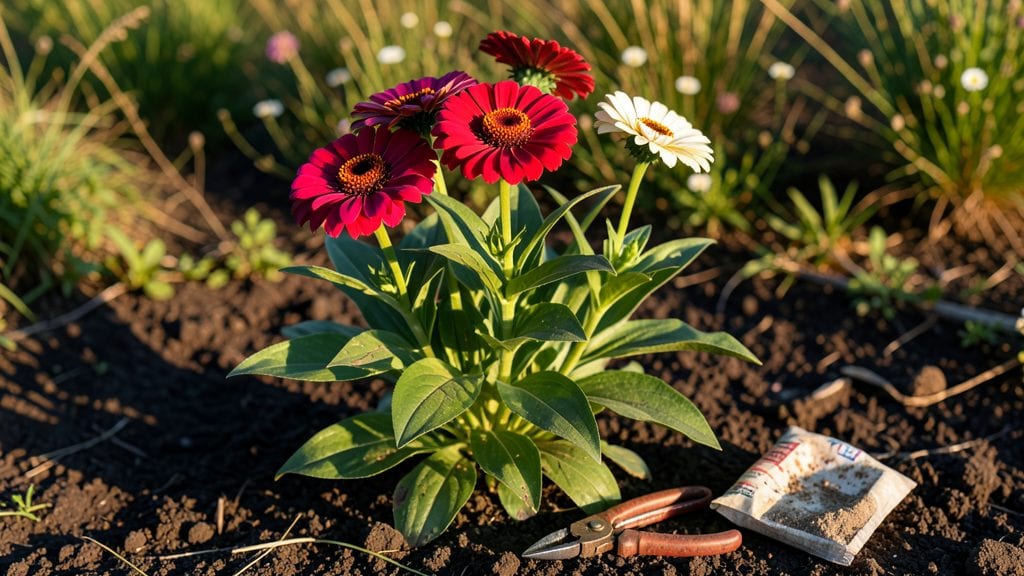
The magic happens when you layer plants by height, color, and bloom time. Start with tall sunflowers or cleome as vertical anchors, then add mid-height zinnias and salvias, and fill gaps with trailing petunias or lobelia.
This creates depth and keeps the eye moving. I’ve even used annuals like coleus and heuchera for foliage interest during those slow winter months when perennials are dormant.
You’ll end up with a garden that feels like a living painting—vibrant in summer, soft and textured in fall, and even winter-ready with evergreen annuals like snapdragons or pansies.
The best part? Swapping out a few plants each season means your garden stays fresh, never predictable. Here’s how to mix and match for maximum impact.
Works for cottage gardens, modern containers, or pollinator-friendly plots. The key is planning your color palette and bloom sequence months ahead. Let’s get your garden looking like a postcard every single month of the year.
📚 In This Guide
- What you need
- Instructions
- Tips and common mistakes
- Wrapping up and next steps
What you need
- ● Annual plants: Choose 5–10 varieties (e.g., marigolds, zinnias, petunias, or cosmos) based on your climate and sunlight. Pro tip: Mix heights and bloom times for continuous color! 🌸
- ● Potting soil or garden soil: 1–2 cubic yards (or 10–20 bags) of high-quality, well-draining soil (amend with compost for nutrient boost).
- ● Fertilizer: Balanced 10-10-10 or 20-20-20 granular fertilizer (1 lb per 100 sq ft).
- ○ Slow-release plant food (optional for long-blooming varieties).
- ● Mulch: 2–3 inches of organic mulch (e.g., shredded bark or straw) to retain moisture and suppress weeds.
- ● Garden gloves (1 pair) – Protect your hands from thorns and dirt.
- ● Hand trowel or transplant spade – For digging small holes (6–12 inches deep).
- ● Garden fork or hoe – To loosen soil before planting.
- ● Watering can or hose with nozzle – A gentle spray setting prevents soil erosion.
- ○ Pruners or scissors (optional) – For deadheading spent blooms.
- ○ Stakes or plant supports (optional) – Tall varieties (like sunflowers) may need 1–2 stakes per plant.
- ● Sunlight assessment: Note your garden’s sunlight exposure (full sun ≥6 hrs/day, partial shade 3–6 hrs, or full shade <3 hrs).
- ● Last frost date: Check your USDA Hardiness Zone to time planting (most annuals thrive after the last frost).
- ● Drainage check: Ensure your garden beds or containers have drainage holes to avoid root rot.
How to plan and plant annual garden plants for year-round beauty
Here's how to create a vibrant garden that blooms continuously—no gaps, no dead zones.
🌱 Step 1: Choose Plants for Seasonal Overlap
Select annuals that bloom at different times to ensure continuous color. Start with cool-season plants like pansies and snapdragons for early spring and fall, then transition to warm-season favorites like zinnias and marigolds for summer. I like to group plants by height—tall backrow, medium mid-row, and low fillers in front—for a polished look.
Check each plant's bloom time on the tag. For example, petunias bloom all summer, but sweet alyssum picks up where they leave off in late summer. This way, you'll never have a bare spot. I also include a few evergreen annuals like dusty miller for year-round structure.
🪴 Step 2: Prepare the Garden Beds
Clear the area of weeds and old plant debris, then loosen the soil to a depth of 12 inches with a garden fork. Amend the soil with 2-3 inches of compost and mix it in thoroughly. This ensures good drainage and nutrient availability—critical for annuals that produce flowers quickly.
I always rake the soil smooth afterward. The goal is a fine, crumbly texture that roots can easily penetrate. Avoid compacting the soil when you walk on it, as this can create air pockets that stunt root growth.
☀️ Step 3: Plant for Sun Exposure and Spacing
Read the light requirements on each plant tag and group them accordingly. Most annuals need 6+ hours of sunlight, but some like impatiens thrive in partial shade. Space plants according to their mature size—check the tag for spacing guidelines. For example, marigolds need 10-12 inches apart, while petunias can handle 8-10 inches.
Dig holes slightly deeper than the root ball and place each plant so the top of the root ball sits level with the soil surface. Press the soil gently around the roots to remove air pockets, then water deeply to settle everything in. This step sets the foundation for healthy growth.
💧 Step 4: Water and Mulch for Retention
Water the newly planted annuals deeply right after planting—about 1 inch of water—to help roots establish. I like to water in the morning so the foliage dries quickly, reducing the risk of fungal diseases. After watering, apply 2-3 inches of mulch around each plant, keeping it 2 inches away from the stems.
Mulch helps retain moisture, suppresses weeds, and keeps soil temperatures stable. I use shredded bark mulch because it breaks down slowly and adds organic matter to the soil over time. Replenish mulch as needed throughout the season.
✂️ Step 5: Maintain with Regular Care
Deadhead spent blooms regularly to encourage more flowers and prevent seed formation. This is especially important for annuals like zinnias and cosmos, which bloom continuously. I also fertilize every 4-6 weeks with a balanced, water-soluble fertilizer to keep plants vigorous.
Watch for pests like aphids or spider mites, which love tender annual foliage. A strong spray of water often removes them, but for persistent infestations, I use insecticidal soap. Rotate plants as needed to fill gaps left by finished bloomers—this keeps your garden looking lush and colorful all season long.
Tips & tricks for perfect annual garden plant arrangements
A few strategic moves can transform your garden from seasonal to year-round stunning—here's how to make it happen.
Seasonal Layering Trick: In Step 1, when selecting your cool-season and warm-season plants, include a few biennials like foxglove or hollyhocks for added structure. These bridge the gap between annuals and perennials, giving you that extra layer of interest. I like to plant them behind shorter annuals so they don't overwhelm the design while still providing height and texture throughout the year. Think of them as the "backbone" that holds everything together.
Soil Prep Game-Changer: After loosening your soil to 12 inches in Step 2, consider adding a handful of slow-release fertilizer granules when you mix in your compost. This gives your annuals a nutrient boost right from planting, helping them establish faster and bloom more vigorously. I use a 10-10-10 formula because it's balanced and won't burn tender annual roots. This is especially helpful if your soil is sandy or nutrient-poor.
Spacing Secret: When planting in Step 3, pay special attention to the mature spacing requirements on plant tags—this is where many gardeners go wrong. For example, while marigolds need 10-12 inches apart, their mature width can actually reach 18 inches. Leave extra room if you want to interplant with smaller annuals later in the season. I like to sketch a simple layout first to visualize how everything will look when fully grown, preventing overcrowding that can lead to disease.
Watering Wisdom: That initial 1 inch of water in Step 4 is just the beginning. For the first 2 weeks after planting, water deeply every 2-3 days to encourage strong root development. After that, most annuals only need about 1 inch of water per week, but check soil moisture by sticking your finger 1 inch deep—if it's dry, it's time to water. Morning watering is key, but if you must water in the evening, make sure foliage dries completely before nightfall to prevent fungal issues.
Pro Tips for Annual Garden Plants
- A few strategic moves can transform your garden from seasonal to year-round stunning—here's how to make it happen.
- Seasonal Layering Trick: In Step 1, when selecting your cool-season and warm-season plants, include a few biennials like foxglove or hollyhocks for added structure.
- Soil Prep Game-Changer: After loosening your soil to 12 inches in Step 2, consider adding a handful of slow-release fertilizer granules when you mix in your compost.
Frequently asked questions
Got questions about annual garden plants?
You're not alone! Here are some of the most common queries to help you plan with confidence.
What are the easiest annual plants for beginners?
Start with hardy, low-maintenance picks like marigolds, zinnias, or petunias. These thrive in most climates, resist pests, and bloom prolifically with minimal care. Sunflowers and cosmos are also great for quick, cheerful results!
When is the best time to plant annuals?
Timing depends on your climate! In warm zones, plant after the last frost (typically spring). In cooler areas, opt for heat-tolerant varieties or start seeds indoors 6–8 weeks before the last frost. Always check your local frost dates for precision.
Can I grow annuals in containers or small spaces?
Compact annuals like bacopa, nasturtiums, or dwarf marigolds thrive in pots. Use well-draining soil and containers with drainage holes. Just ensure they get the right sunlight—most need 6+ hours daily. Bonus: Containers let you move plants for optimal conditions!
How do I keep pests away from my annuals?
Prevention is key! Use neem oil or insecticidal soap for early signs of aphids or spider mites. Plant pest-repelling companions like basil (near tomatoes) or garlic chives (near roses). Pro tip: Water in the morning to reduce fungal issues and deter slugs.
What’s the best way to extend annual blooms all season?
Deadhead spent blooms regularly to encourage new flowers. Fertilize lightly every 4–6 weeks with a balanced formula (like 10-10-10). For heat-sensitive plants, provide afternoon shade in summer. Fun fact: Some annuals, like snapdragons, self-seed—let a few reseed for next year’s free blooms!
Wrapping up and next steps
Annual garden plants are your secret weapon for year-round structure and vibrant color harmony—no green thumb required! Whether you’re a seasoned gardener or just starting, these plants offer low-maintenance beauty, adaptability, and the power to transform any space into a lush, ever-changing oasis. 🌸
Ready to dive in? Start small—pick one or two annuals that match your climate and style, then expand as you gain confidence. Your garden (and future visitors) will thank you!