Vegetables
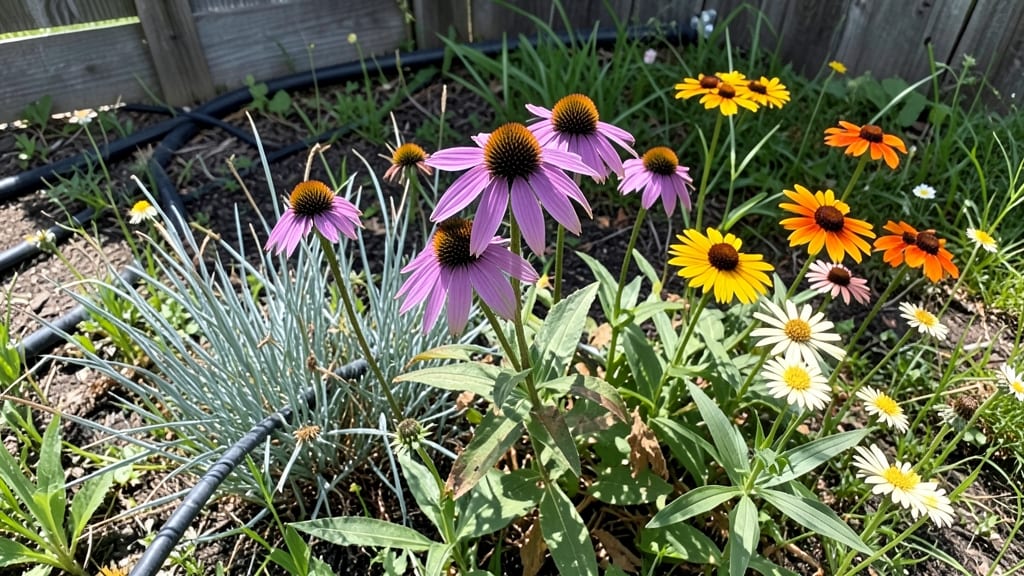
Tennessee gardens thrive with the right mix of native plants and smart seasonal planning. 🌿 I’ve grown everything from Appalachian heirlooms to drought-tolerant varieties in Middle Tennessee, and the key is working with the climate—not against it.
The state’s four distinct seasons actually make it easier to extend harvests year-round than you’d think.
Start with what grows naturally: collards and kale handle winter’s chill, while okra and sweet potatoes flourish in summer’s heat. Add a few evergreen shrubs like holly or viburnum for structure, and you’ve got a garden that looks good and produces all year.
Even urban Tennessee spaces can work—containers on balconies or raised beds in small yards still yield amazing results.
By mixing cool-season crops with warm-season staples, you’ll have fresh greens in spring, tomatoes in summer, and winter squash lasting through January. The secret? Succession planting and choosing varieties bred for Tennessee’s humidity and soil. No fancy equipment needed—just a little strategy and patience.
Whether you’re in the mountains or the city, these techniques adapt easily. Let’s turn your Tennessee garden into a year-round harvest machine—no matter what Mother Nature throws your way.
📚 In This Guide
- What you need
- Instructions
- Tips and common mistakes
- Wrapping up and next steps
What you need
- ● Soil: Native Tennessee topsoil (2–3 cubic yards per 100 sq. ft.)
- ● Composted manure or aged compost (1–2 bags per 10 sq. ft.)
- ● Organic matter (e.g., leaf mold or peat moss, 1–2 bags per 10 sq. ft.)
- ● Seeds & Plants: Cold-hardy veggie seeds (e.g., kale, spinach, carrots—1–2 oz. per variety)
- ● Heat-tolerant varieties (e.g., okra, sweet potatoes, peppers—3–5 plants per variety)
- ● Transplants (e.g., tomatoes, broccoli—2–4 plants per type)
- ● Tools: Garden trowel (for precision planting)
- ● Pruners (sharp, for harvesting)
- ● Hoe or cultivator (to maintain soil health)
- ● Watering can or drip irrigation kit (with 0.5–1 gallon capacity)
- ● Row covers or frost cloth (for early spring/late fall)
- ● Mulch (straw or wood chips—2–3 inches to retain moisture)
- ● Raised beds (if soil drainage is poor)
- ● pH testing kit (to adjust soil acidity, ideal: 6.0–7.0)
- ● Trellises (for vining plants like cucumbers or beans)
- ● Garden journal (to track plant progress!)
How to plan a Tennessee-friendly vegetable garden for year-round harvests
Tennessee’s diverse microclimates mean you can grow fresh produce in every season—here’s how to tailor your garden for maximum success.
🌱 Step 1: Map Your Microclimate and Choose Seasonal Crops
Tennessee’s climate varies dramatically from the humid Appalachian foothills to the hot, dry western plains. Start by identifying your USDA Hardiness Zone (typically 6b-8a) and note your last frost dates—usually March 15-April 15 for spring and October 15-November 15 for fall. Use this to plan crops that thrive in your specific conditions.
For spring, prioritize cold-hardy vegetables like broccoli, cabbage, and peas, which tolerate 30-40°F soil temperatures. In summer, focus on tomatoes, peppers, and okra, which need consistent moisture and afternoon shade during Tennessee’s peak heat. Fall brings ideal conditions for kale, carrots, and garlic, while winter allows for spinach, lettuce, and radishes in protected beds.
☀️ Step 2: Optimize Sunlight and Soil for Tennessee’s Varied Conditions
Most Tennessee gardens receive full sun (6+ hours daily), but western slopes get intense afternoon heat that can scorch tender greens. Position heat-sensitive crops like lettuce and spinach on the north or east side of your plot, while tomatoes and peppers thrive in the southern exposure. Use drip irrigation to keep soil evenly moist without wetting foliage, which reduces fungal risks like early blight common in Tennessee’s humidity.
Amend your soil with 2-3 inches of compost before planting—Tennessee’s native clay benefits from organic matter to improve drainage and nutrient retention. Test your soil’s pH (ideal range: 6.0-7.0 for most vegetables) and adjust with lime (to raise pH) or sulfur (to lower pH) if needed. Avoid over-fertilizing; Tennessee’s rich soil often requires less nitrogen than gardeners assume.
💧 Step 3: Implement Seasonal Watering Strategies
Tennessee’s spring rains can drown seedlings, while summer droughts stress mature plants. Use mulch (2-3 inches of straw or wood chips) to retain moisture and suppress weeds. Water deeply once or twice weekly during dry spells, aiming for 1-1.5 inches of water per week, delivered at the base of plants to avoid fungal issues. Early morning watering (6-8 AM) minimizes evaporation and reduces disease pressure.
In fall and winter, reduce watering to once weekly unless you experience prolonged dry spells. Overwatering in cooler months leads to root rot, especially in heavy clay soils. Install a rain gauge to track precipitation—this helps you adjust irrigation without guessing. Tennessee’s unpredictable weather means flexibility is key; always check soil moisture by hand before watering.
✂️ Step 4: Extend the Growing Season with Smart Techniques
Use row covers or cold frames to protect early spring and late fall crops from Tennessee’s unpredictable temperature swings. For winter gardening, high tunnels or hoop houses create a 10-15°F warmer microclimate, allowing you to grow spinach, kale, and carrots through December. In summer, provide afternoon shade cloth (30-50% shade) for heat-sensitive plants like cucumbers and beans to prevent bolting.
Succession planting is your best friend in Tennessee’s short growing seasons. After harvesting spring peas or radishes, replant with bush beans or summer squash. In fall, follow early tomatoes with garlic or cover crops like clover to improve soil health. This keeps your garden productive year-round without wasting space.
🌿 Step 5: Monitor and Adapt to Tennessee-Specific Pests
Tennessee’s warm, humid climate fosters pests like squash vine borers, tomato hornworms, and Japanese beetles. Scout your garden weekly for early signs of damage—look for chewed leaves, wilting vines, or sawdust-like frass (insect droppings). Handpick hornworms in the evening when they’re less active, and remove squash vine borer eggs (tiny white ovals on leaves) before they hatch.
Encourage beneficial insects like lady beetles and lacewings by planting dill, fennel, or marigolds at the garden’s edge. For severe infestations, use neem oil or insecticidal soap—apply in the early morning or evening to avoid harming pollinators. Tennessee’s biodiversity means natural predators often handle pests, but vigilance prevents outbreaks before they spread.
Tips & tricks for perfect Tennessee vegetable gardens
Tennessee’s varied climate demands thoughtful planning—here’s how to maximize your harvest while avoiding common pitfalls that trip up even experienced gardeners.
Microclimate Mastery: Tennessee’s USDA zones 6b-8a create dramatic differences even within short distances. I always verify my specific zone using the USDA Plant Hardiness Zone Map and adjust planting dates accordingly. For example, the Appalachian foothills can experience 10°F colder nights than Nashville’s urban heat islands. This explains why your neighbor’s tomatoes thrive while yours struggle—it’s not just luck, it’s location awareness. Use this to your advantage by selecting varieties proven to succeed in your specific microclimate.
Soil Science Secrets: Tennessee’s native clay soil can be both a blessing and curse. The 2-3 inches of compost recommendation isn’t just about nutrients—it’s about transforming that dense clay into a loamy texture that holds moisture without suffocating roots. I’ve learned the hard way that skipping this step leads to poor drainage and stunted growth, especially for peppers and tomatoes that need excellent aeration. Test your soil’s pH before planting; I’ve seen gardens fail because the soil was too acidic (pH below 6.0) even though the gardener followed all other instructions perfectly. Adjust with lime or sulfur as needed—this small step prevents months of frustration.
Watering Wisdom: The 1-1.5 inches per week guideline works for most Tennessee gardens, but timing matters just as much as quantity. I water exclusively between 6-8 AM because this prevents fungal spores from thriving in damp foliage during humid afternoons. During summer droughts, I’ve found that adding mulch (2-3 inches of straw) reduces watering needs by 30-40% while keeping roots cool. The key is consistency—lettuce plants wilt dramatically when soil moisture drops below 30%, while tomatoes show stress at 25%. Use a rain gauge to track your actual precipitation rather than guessing.
Seasonal Extension Hacks: Don’t let Tennessee’s unpredictable weather limit your growing season. I’ve used row covers to push spring planting back by 2-3 weeks and extend fall harvests by 4-6 weeks, while high tunnels have allowed me to grow spinach and kale through December in zone 7a. For summer heat-sensitive crops, 30-50% shade cloth creates the perfect microclimate—just remember to remove it by late afternoon to allow photosynthesis. The 10-15°F warmer microclimate created by these structures makes all the difference during our cold snaps.
Pro Tips for Gardens In Tennessee
- Tennessee’s varied climate demands thoughtful planning—here’s how to maximize your harvest while avoiding common pitfalls that trip up even experienced gardeners.
- Microclimate Mastery: Tennessee’s USDA zones 6b-8a create dramatic differences even within short distances.
- Soil Science Secrets: Tennessee’s native clay soil can be both a blessing and curse.
Frequently asked questions
What are the best vegetables to grow in Tennessee’s four seasons?
Tennessee’s climate lets you grow a mix of cool- and warm-season crops. Start with spring (lettuce, peas, spinach), summer (tomatoes, peppers, okra), fall (kale, carrots, radishes), and winter (garlic, onions, collards). Extend seasons with row covers or cold frames!
How do I protect my garden from Tennessee’s unpredictable weather?
Use row covers for frost protection, mulch to insulate roots, and drip irrigation to prevent drought stress. For extreme heat, opt for shade cloth or grow heat-tolerant varieties like Malabar spinach or sweet potatoes.
When should I start planting for a year-round harvest?
Plan ahead! Start cool-season crops (like broccoli) indoors in late winter (Feb–March) and transplant in early spring. For warm-season veggies (tomatoes), sow seeds after last frost (April–May). Succession plant every 2–3 weeks for continuous harvests.
Are there budget-friendly ways to garden in Tennessee without breaking the bank?
Yes! Start with seed swaps (check local TN gardening groups), use compost from kitchen scraps, and repurpose containers (buckets, pallets). Focus on high-yield crops like beans, squash, and herbs—they give big returns with minimal space!
What’s the best way to deal with pests in Tennessee gardens?
Prevent pests with crop rotation, beneficial insects (like ladybugs), and neem oil sprays. For common TN pests (e.g., squash bugs, tomato hornworms), handpick early or use row covers. Avoid chemicals—they harm pollinators!
Can I grow a Tennessee garden in containers or small spaces?
Try vertical gardening (trellises for beans, cucumbers), window-box herbs, or dwarf varieties (like ‘Patio’ tomatoes). Even a balcony can yield bush beans, lettuce, and peppers—just ensure containers have drainage and get 6+ hours of sun.
Wrapping up and next steps
Tennessee’s diverse climates prove that year-round gardening is absolutely possible—whether you’re a seasoned green thumb or just starting out. From frost-resistant kale to heat-loving okra, these garden-inspired vegetables offer fresh, homegrown goodness no matter the season. 🌱
Ready to take the next step? Start small with one or two crops from this guide, then expand as you gain confidence. Your future harvests—and your taste buds—will thank you!