
Tools
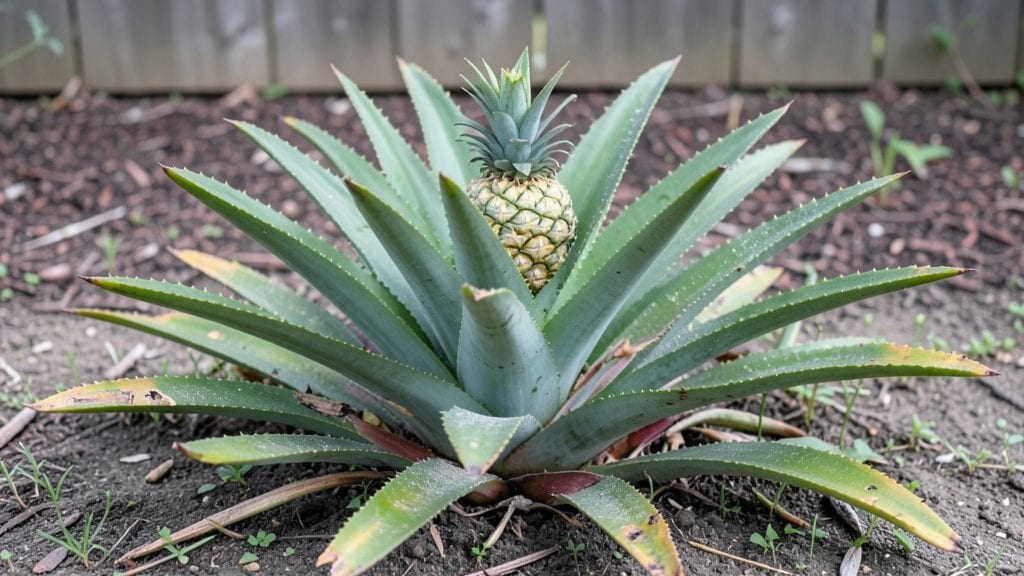
Growing pineapples in your garden means tropical fruit right off your own plants—no grocery store required. 🌱 I’ve grown them in containers and in-ground, and the sweet, juicy payoff makes every effort worth it, even in cooler climates with the right tricks.
The key starts with warmth and humidity. Pineapples thrive in USDA Zones 10-12, but you can grow them in pots and bring them indoors during winter. They need well-draining soil (think cactus mix with perlite) and a spot that gets full sun—at least 6-8 hours daily.
A south-facing window or greenhouse works for container growers.
By the second year, you’ll see those iconic spiky crowns form, and with proper care, a full-sized pineapple in 18-24 months. The scent of the plant alone—like a mix of citrus and tropical rain—is enough to keep you hooked.
Plus, once you master one, you can propagate new plants from the crowns.
Whether you’re in Florida or a balcony in Boston, this guide covers the exact steps to turn your garden—or windowsill—into a pineapple patch. Let’s get those pups growing!
📚 In This Guide
- What you need
- Instructions
- Tips and common mistakes
- Wrapping up and next steps
What you need
- ● Pineapple plant: 1 mature pineapple plant (from a nursery or a crown from a store-bought pineapple)
- ● OR 3-5 pineapple crowns (tops) from ripe pineapples
- ● Well-draining soil: 5-10 gallons of cactus/succulent mix or sandy loam soil (amended with perlite or coarse sand for drainage)
- ○ Optional: 1 part peat moss or coconut coir + 1 part coarse sand + 2 parts garden soil (for in-ground planting)
- ● Containers (if growing in pots): 1-2 5-gallon pots with drainage holes (for each plant)
- ● Fabric grow bags (alternative for better aeration)
- ● Fertilizer: Balanced 10-10-10 fertilizer or organic compost (for slow-release nutrients)
- ○ 1 tbsp of citrus-specific fertilizer (optional, for a tropical boost)
- ● Pruning tools: 1 pair of sterilized pruning shears (for trimming leaves or removing dead growth)
- ● Watering can or hose: With a gentle spray nozzle (to avoid damaging leaves)
- ○ Mulch (optional but recommended): 2-3 inches of pine bark or straw mulch (to retain moisture and regulate temperature)
- ● Sunlight: Full sun (6+ hours of direct sunlight daily)
- ● Temperature: Ideal range: 70-90°F (21-32°C)
- ● Avoid frost (below 32°F/0°C can kill the plant)
- ● Humidity: Moderate to high (pineapples thrive in tropical climates)
- ● Wind protection: Shelter from strong winds (use a windbreak if needed)
- ● 1 pH testing kit (ideal soil pH: 4.5-6.5, slightly acidic)
- ● 1 drip irrigation system (for consistent moisture in hot climates)
- ● 1 shade cloth (30-50% coverage for young plants or harsh afternoons)
- ● Epsom salt (1 tsp/month for magnesium boost)
- ● Beneficial insects (ladybugs or lacewings to deter pests naturally)
Step-by-Step instructions for growing pineapples in your garden
Here's my foolproof method for cultivating tropical pineapples in containers—no greenhouse needed.
🌱 Step 1: Select and Prepare Your Pineapple Plant
Start with a healthy, ripe pineapple from the grocery store. Look for one with a green crown that's still attached—this is your future plant. Cut the crown off with a sharp knife, leaving about 1-2 inches of the fruit base still attached to the leaves. This stem section holds critical nutrients for rooting.
Remove the lower leaves until you expose about 1 inch of bare stem. This prevents rot and encourages roots to form along the exposed section. Place the crown in a glass of water, making sure only the bare stem is submerged. Change the water every 2-3 days to prevent bacterial growth. You'll see roots emerge in 2-4 weeks.
🪴 Step 2: Choose and Prepare the Container
Pineapples thrive in containers with excellent drainage. Use a pot that's at least 12-14 inches deep and wide—they need room to spread their roots. I recommend terracotta because it breathes and helps regulate moisture. Fill the bottom 2 inches with small pebbles or perlite to create a drainage layer that prevents waterlogging.
Fill the remaining space with a well-draining mix: combine 50% potting soil, 30% perlite, and 20% coarse sand. This lightweight blend mimics their native volcanic soil and prevents root rot. Moisten the mix until it's damp but not soggy—you should be able to squeeze a handful without water dripping out.
☀️ Step 3: Plant Your Rooted Pineapple Crown
Once roots reach about 1-2 inches long, it's time to plant. Gently remove the crown from the water and place it in the center of the pot. The base of the stem should sit just below the soil surface—don't bury it too deep. Fill around the stem with your prepared mix, pressing lightly to eliminate air pockets while being careful not to compact the soil.
Pineapples love warmth and humidity. Place your newly potted plant in a location that receives full sun (6-8 hours daily) and maintains temperatures between 70-85°F. A south-facing window or patio works well in warmer climates. If you're in a cooler zone, bring it indoors near a sunny window during winter months.
💧 Step 4: Establish a Watering and Fertilizing Routine
Water your pineapple when the top 1-2 inches of soil feel dry to the touch. Stick your finger in the soil—if it's dry at that depth, it's time to water. Overwatering is the fastest way to kill a pineapple plant, so always err on the side of underwatering. When you do water, soak the soil thoroughly until water runs out the drainage holes.
Feed your plant every 4-6 weeks during the growing season with a balanced, water-soluble fertilizer diluted to half strength. I use a 10-10-10 formula because pineapples respond well to consistent, moderate nutrition. Stop fertilizing in winter when growth naturally slows. You'll notice new leaves emerging from the center—this is a good sign your plant is establishing itself.
⏰ Step 5: Encourage Flowering and Fruit Development
Pineapples typically take 18-30 months to produce fruit from a crown. To encourage flowering, provide consistent care and maintain optimal growing conditions. When your plant reaches about 2 feet tall with a healthy rosette of leaves, it's ready to potentially flower.
Here's the thing—pineapples often need a temperature shift to trigger flowering. If your plant isn't flowering after a year, try moving it to a slightly cooler spot (60-65°F) for 2-3 weeks during winter. This temperature drop mimics their natural seasonal changes and can stimulate flower production. Once a flower spike emerges, keep your plant in full sun and maintain regular watering to support fruit development.
Tips & tricks for perfect pineapple growth in your garden
Growing pineapples at home requires patience and precision—here's how to maximize your chances of success with these tropical plants.
Rooting Success: When you place your pineapple crown in water during Step 1, make sure only the bare stem (about 1 inch) is submerged—never the leaves. I've seen beginners submerge the entire crown, which leads to rot. Change the water every 2-3 days to prevent bacterial growth, and look for roots in 2-4 weeks. If you notice yellowing leaves, this indicates overwatering or too much direct sunlight during this stage.
Soil Mix Matters: The 50-30-20 blend of potting soil, perlite, and coarse sand in Step 2 is non-negotiable for pineapples. I've experimented with heavier mixes, and they always lead to root rot. After planting, press the soil gently but firmly—you want to eliminate air pockets without compacting. This ensures proper root contact with the well-draining medium. The goal is to mimic their native volcanic soil texture as closely as possible.
Temperature Triggers: Pineapples are sensitive to temperature shifts, particularly when encouraging flowering in Step 5. The 60-65°F range for 2-3 weeks during winter mimics their natural seasonal changes. I've found that moving plants to a cooler garage or basement during this period works wonders. Just avoid temperatures below 55°F, as this can damage the plant. A simple thermometer near your plant helps monitor these critical conditions.
Sunlight Strategy: While pineapples need full sun (6-8 hours daily), direct afternoon sun in hot climates can scorch the leaves. In Step 3, position your plant to receive morning sun and gentle afternoon shade if temperatures exceed 90°F. I've seen pineapples in containers develop sunburn when placed in intense afternoon sunlight—watch for crispy leaf edges as an early warning sign. Rotating the pot occasionally ensures even growth.
Pro Tips for Pineapple In Garden
- Growing pineapples at home requires patience and precision—here's how to maximize your chances of success with these tropical plants.
- Rooting Success: When you place your pineapple crown in water during Step 1, make sure only the bare stem (about 1 inch) is submerged—never the leaves.
- Soil Mix Matters: The 50-30-20 blend of potting soil, perlite, and coarse sand in Step 2 is non-negotiable for pineapples.
Frequently asked questions
Got questions about growing pineapples in your garden?
Here are answers to the most common ones—from planting to harvest—so you can grow this tropical gem with confidence!
Can pineapples grow in cold climates, or do I need a greenhouse?
Pineapples thrive in warm climates (USDA Zones 10-12), but you can grow them in cooler areas with a greenhouse, container, or indoor setup. Move pots indoors when temps drop below 50°F (10°C) to protect them from frost. A sunny windowsill or grow lights can work for small plants!
How long does it take for a pineapple plant to produce fruit?
Patience is key! From seed, it takes 3-5 years for a pineapple plant to mature and bear fruit. If you start with a slip (pups) or crown, fruit may appear in 18-24 months. Keep plants healthy with proper care—they’ll reward you with sweet, tropical goodness!
Why isn’t my pineapple plant flowering?
Pineapple plants need a temperature shift to trigger flowering. Try one of these tricks:
- Move pots to a cooler spot (60-65°F/15-18°C) for 2-3 weeks.
- Apply ethylene gas (like an apple in a bag with the plant for 24 hours).
- Ensure your plant is at least 2-3 years old and healthy.
Are there pineapple alternatives that are easier to grow?
If pineapples seem too tricky, try these low-maintenance tropical fruits:
- Bananas – Fast-growing, great for containers, and love humidity.
- Papayas – Hardy in warm climates, produce fruit in 1-2 years.
- Passionfruit – Vigorous vines with edible, exotic fruit.
- Guavas – Drought-tolerant and disease-resistant.
What pests or diseases should I watch for with pineapple plants?
Pineapples are generally pest-resistant, but keep an eye out for:
- Mealybugs or scale – Wipe leaves with soapy water or use neem oil.
- Root rot – Avoid overwatering; ensure pots have drainage holes.
- Fungal spots – Improve airflow and reduce humidity if needed.
Wrapping up and next steps
Growing pineapples in your garden isn’t just a dream—it’s a delicious, rewarding reality! 🌱 With the right soil, sunlight, and care, you can enjoy year-round harvests of sweet, tropical fruit. Whether you’re a beginner or a seasoned gardener, the key is patience and consistency.
Ready to take the next step? Start by planting your pineapple crowns today—your future harvest is just a few months (and a little sunshine) away! Share your progress with fellow gardeners or experiment with different varieties to find your perfect match. Happy growing! 🌟