
Vegetables
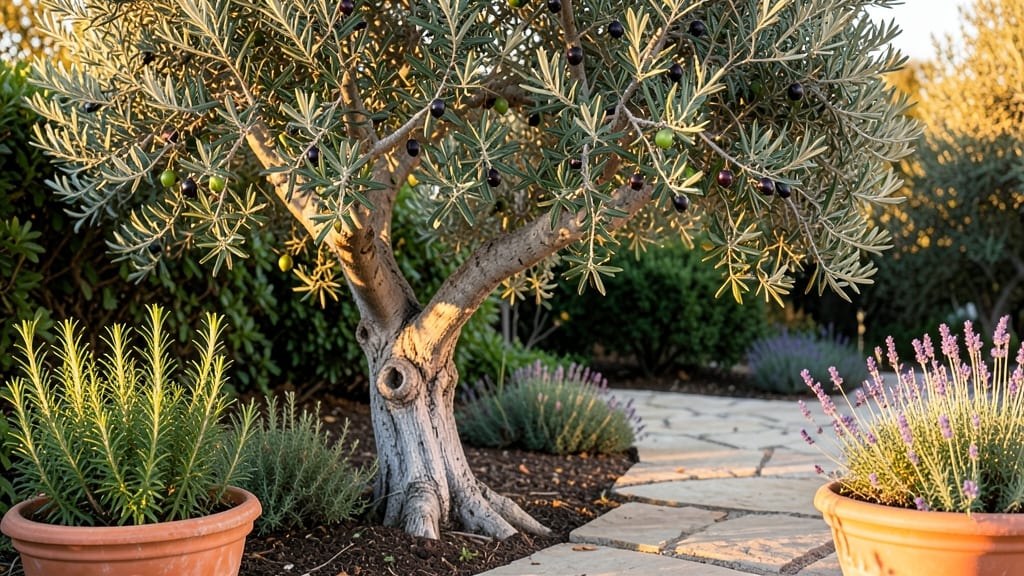
Barcelona’s gardens are hidden urban havens where historic architecture meets lush Mediterranean landscapes, featuring iconic spots like Jardins de la Muntada and Parc de la Ciutadella. These green spaces showcase rare plants, meticulously designed hedges, and vibrant seasonal displays—all while offering free entry and guided tours for immersive exploration.
Barcelona’s gardens transform the city into a living museum of flora, blending nature with urban life seamlessly. 🌿 The Jardí Botànic alone houses over 13,000 plant species, including rare cacti and subtropical blooms, while Parc de Collserola provides panoramic city views.
These spaces aren’t just pretty—they’re carefully curated to reflect Barcelona’s climate and horticultural heritage, making every visit an educational experience.
What’s especially fascinating is how these gardens adapt to the city’s rhythm. Many, like Jardins de Joan Brossa, host seasonal events and workshops, while others, such as Hort de la Font del Gat, double as community hubs for urban farming.
The result? A network of green escapes that feel both timeless and deeply connected to modern Barcelona.
💡 In This Article
- Barcelona’s Most Stunning Botanical Gardens
- Hidden Green Spaces and Local Gardening Secrets
Barcelona’s most stunning botanical gardens
The Jardí Botànic de Barcelona stands as a living laboratory of Mediterranean biodiversity, housing over 13,000 plant species across its 13-hectare expanse.
Here, the city’s unique microclimate—warm summers (25-30°C) and mild winters (8-12°C)—creates ideal conditions for rare cacti from the Canary Islands and fragrant subtropical blooms like the bougainvillea.
The garden’s greenhouse complex, with its humidity-controlled chambers, mimics tropical environments, allowing species like the Victoria amazonica (giant water lily) to thrive alongside native holm oak and aleppo pine trees.
At the heart of the Jardí Botànic lies its geometric masterpiece: the Jardins de la Muntada. This 18th-century garden features topiary sculptures shaped into mythological figures, meticulously pruned to 1-meter heights using hand-held shears and copper wire frames.
The design follows French formal garden principles but incorporates local Mediterranean plants like rosemary and lavender, which release their signature aromas when brushed against. Visitors often pause to admire the fountain system, where water cascades through limestone channels—a nod to Barcelona’s historic Roman aqueducts.
For a taste of Barcelona’s historic horticultural traditions, head to Parc del Laberint d’Horta, a 16th-century maze garden with 2,000 cypress trees arranged in 1.5-kilometer winding paths.
The maze’s hedges reach 4 meters tall, creating an immersive experience where the sea breeze carries the scent of citrus groves nearby. Unlike modern labyrinths, this one uses natural pruning techniques—workers trim the cypresses in spring to encourage dense, aromatic foliage.
The park’s subtropical greenhouse also features orchids that bloom year-round, thanks to the controlled humidity maintained by automated misting systems.
Barcelona’s Parc de Collserola offers a different kind of botanical wonder: a wild, untamed landscape where endemic species like the Spanish broom and rockrose thrive alongside introduced flora such as eucalyptus and acacia.
The park’s elevation (up to 500 meters) creates microclimates where pine forests give way to shrublands, mimicking the transitional zones of the Pyrenees. Visitors can spot rare birds like the Egyptian vulture and Bonelli’s eagle, drawn by the park’s diverse habitats.
The climate here is cooler and drier than downtown Barcelona, allowing drought-resistant plants like sage and thyme to flourish without irrigation.
What makes these gardens truly special is their adaptive horticulture. The Jardí Botànic, for example, uses rainwater harvesting systems to irrigate its arid-section plants, while Parc de Collserola employs controlled burns to prevent invasive species from overtaking native flora.
These techniques ensure the gardens remain self-sustaining while preserving Barcelona’s biodiversity hotspots. The result? A harmonious blend of science, history, and nature that feels both timeless and cutting-edge.
The best time to visit these gardens is during the spring blooms (March-May), when almond trees burst into pink blossoms and wisteria drapes in lavender cascades. In autumn, the hollyhocks and sunflowers create a golden canopy, while winter brings evergreen fragrances from pine and cedar.
Each season offers a new sensory experience, proving why Barcelona’s gardens are more than just green spaces—they’re living ecosystems designed to inspire.