Advice
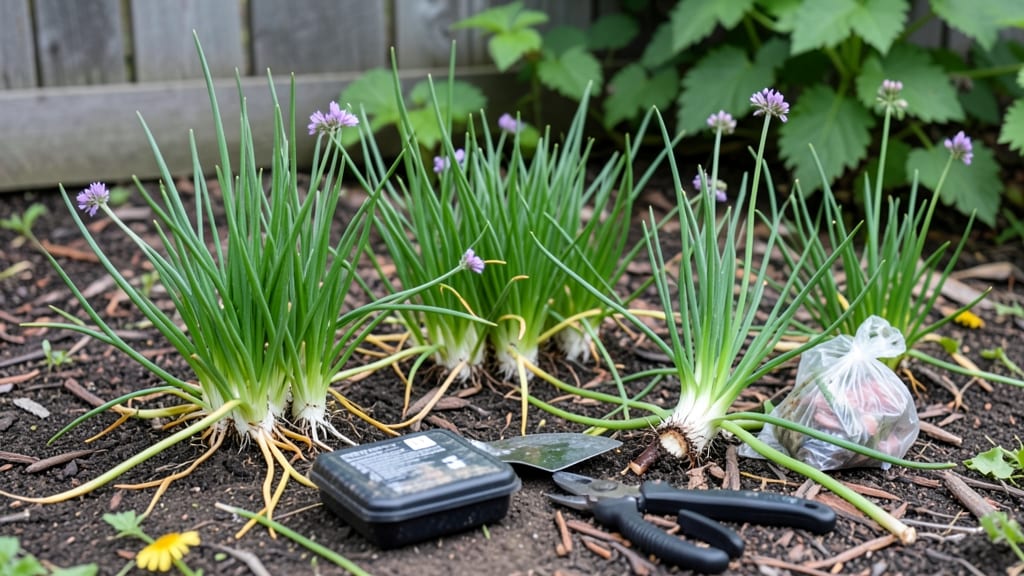
Gardening safety tips start with treating your garden like a construction site—not because it’s dangerous, but because blisters, strains, and sunburns happen faster than you think.
I’ve spent years learning the hard way: one wrong grip on a shovel sent me to physical therapy, and a single afternoon without gloves left my hands raw for a week. The good news? Most injuries are preventable with simple habits most gardeners overlook.
Your hands, eyes, and skin deserve protection that’s as practical as it is comfortable. Heavy-duty gloves with reinforced palms save your grip strength, while lightweight versions keep dexterity for delicate tasks like transplanting seedlings.
Sunglasses with UV protection aren’t just for summer—frostbite from reflective winter snow can blind you just as easily as glare. And sunscreen? Reapply it every 2 hours, even on cloudy days, because that “light” burn on your neck is a sunburn in disguise.
Seasonal risks change the game completely. In summer, heat exhaustion sneaks up when you’re focused on weeding—hydrate before you feel thirsty, and take 10-minute breaks in the shade every hour. Winter brings frozen tools and stiff joints; keep a thermos of warm tea nearby and stretch before digging.
The biggest payoff? You’ll finish the season with skin that’s intact, strength that’s preserved, and the confidence to tackle next year’s biggest projects without hesitation.
Even the most careful gardeners need a plan for when things go wrong. Learn to recognize the signs of heatstroke (dizziness, nausea) and know where your nearest emergency kit is stashed.
A first-aid kit with blister pads, antiseptic wipes, and tweezers for splinters should ride in your gardening cart—trust me, you’ll use it. Safety isn’t about fear; it’s about working smarter so you can enjoy your garden for decades, not just one season.
Why it happens
Gardening might seem like a peaceful retreat, but beneath the beauty of blooming flowers and lush greenery lurk unseen dangers that can turn your hobby into a risky endeavor.
Understanding why these hazards occur is the first step to protecting yourself. Let’s break down the science and circumstances behind common gardening risks.
🧪 Chemical Exposure From Pesticides & Fertilizers
Many gardeners rely on pesticides, herbicides, and synthetic fertilizers to keep their plants thriving. However, these products often contain toxic chemicals like organophosphates, glyphosate, and synthetic nitrogen compounds, which can harm your skin, eyes, and respiratory system upon contact or inhalation. Here’s why it happens:
- Poor absorption control: Chemicals are designed to penetrate plant tissues, but they can also seep into your skin through microscopic pores or absorb into your bloodstream if you touch your face or eyes after handling them. Example: A study in Environmental Health Perspectives found that gardeners exposed to organophosphate pesticides had elevated levels of these toxins in their urine within hours.
- Volatile organic compounds (VOCs): Some fertilizers and pesticides release harmful gases when mixed or applied, especially in warm or humid conditions. Inhaling these fumes can irritate your lungs and trigger allergic reactions.
- Improper dilution or mixing: Concentrated chemicals can cause severe burns or poisoning if not diluted correctly. Example: Bleach and vinegar, often used as homemade weed killers, release chlorine gas when mixed—a deadly combination.
💡 Pro Tip: Always read labels, wear gloves, and apply chemicals on wind-free days to minimize exposure. Store them in sealed, labeled containers away from children and pets.
⚡ Sunburn And Heat Stress From UV Rays
Spending hours under the sun without protection can lead to sunburn, heat exhaustion, or even heatstroke. The science behind this risk is straightforward:
- UVA/UVB radiation penetration: The sun emits ultraviolet (UV) rays that damage your skin’s collagen fibers, leading to burns, premature aging, and even skin cancer. Fun fact: UVB rays (responsible for sunburn) are most intense between 10 AM and 4 PM, when the sun is highest in the sky.
- Dehydration and electrolyte imbalance: Sweating cools your body, but excessive fluid loss without replenishment can cause dizziness, nausea, or fainting. Example: A 2020 study in Journal of Occupational and Environmental Medicine found that outdoor workers (including gardeners) were 3x more likely to experience heat-related illness without proper hydration.
- Lack of acclimatization: Your body needs time to adjust to high temperatures. Sudden exposure without gradual adaptation can overwhelm your circulatory system, leading to heat stress.
🌡️ Pro Tip: Wear a wide-brimmed hat, UV-protective clothing, and reapply sunscreen every 2 hours. Take breaks in the shade and drink water before you feel thirsty.
🪰 Sharp Objects And Tool-Related Injuries
Pruners, shovels, and lawnmowers are essential tools, but they’re also common culprits behind cuts, punctures, and even amputations. The mechanics behind these injuries include:
- Blunt force trauma: Heavy tools like shovels or mallets can crush fingers or toes if dropped or misused. Example: OSHA reports that 20% of hand injuries in gardening involve tools slipping or being forced into awkward positions.
- Shearing action: Pruners and shears have sharp, angled blades designed to slice through stems—but they can just as easily cut skin. The shear force (the sudden pressure when blades meet) can cause deep lacerations.
- Vibration-induced injuries: Power tools like string trimmers or chainsaws create high-frequency vibrations that can lead to hand-arm vibration syndrome (HAVS), causing numbness, tingling, or even permanent nerve damage over time.
✨ Pro Tip: Always grip tools firmly with the palm of your hand (not fingers), keep blades sharp to reduce slipping, and use cut-resistant gloves for heavy-duty tasks.
🐛 Pests And Allergens From Plants & Soil
Not all garden dangers are man-made. Plants, soil, and even beneficial insects can pose risks through:
- Plant sap and resin toxicity: Some plants, like poison ivy, foxglove, or oleander, contain urushiol (poison ivy) or cardiac glycosides (foxglove), which can cause severe rashes, vomiting, or even heart arrhythmias if ingested. Example: Urushiol binds to skin proteins within minutes, triggering an allergic reaction in 80% of people exposed to it.
- Fungal spores and mold: Damp soil and decaying organic matter are breeding grounds for histoplasmosis or athlete’s foot fungi. Inhaling spores can lead to respiratory infections, while skin contact may cause itchy, scaly rashes.
- Insect bites and stings: Bees, wasps, and ticks carry venom or pathogens (like Lyme disease from deer ticks). Their defensive mechanisms—such as hemolymph (bee venom) or bacteria in tick saliva—can trigger allergic reactions or transmit diseases.
🎯 Pro Tip: Wear long sleeves, use insect repellent, and avoid touching your face after handling plants. If you suspect a tick bite, remove it with tweezers and monitor for a bullseye rash (a classic Lyme disease symptom).
💨 Soil-Borne Bacteria And Parasites
Healthy soil is teeming with microbes, but some can cause serious infections if they enter your body through cuts or inhalation. Key culprits include:
- Clostridium tetani (tetanus): Found in soil and rusty nails, this bacteria produces a neurotoxin that causes lockjaw and muscle spasms. Example: The CDC reports that 30% of tetanus cases in the U.S. are linked to outdoor injuries.
- Leptospira bacteria: Spread through contaminated water or soil (common in dog urine or standing water), it can cause Weil’s disease, leading to fever, jaundice, and kidney failure.
- Parasitic worms (e.g., hookworms): Larvae in soil can penetrate bare skin, leading to cutaneous larva migrans—a painful, snake-like rash.
🔥 Pro Tip: Keep wounds clean, wear closed-toe shoes, and consider a tetanus booster if you haven’t had one in 10 years. Avoid gardening barefoot in warm, damp climates.
Quick Fixes for Common Gardening Hazards
Gardening is rewarding, but safety slips can turn a sunny afternoon into a trip to the first-aid kit. Below are practical, step-by-step solutions for the most common gardening hazards—plus prevention tips to keep your green thumb safe.
Cause: Sharp tools, thorny plants, or rough edges on pots and trellises. Solution:
- Stop the Bleeding 🩹
- Apply firm pressure with a clean cloth or gauze for 5–10 minutes.
- If bleeding doesn’t stop after 15 minutes, seek medical help (signs of a deeper cut).
- Clean the Wound 🧼
- Rinse with lukewarm water and mild soap (like Castile soap).
- Avoid hydrogen peroxide or alcohol—they can damage tissue.
- Protect It 🛡️
- Apply an antibiotic ointment (like Neosporin) to prevent infection.
- Cover with a sterile bandage or adhesive strip.
Prevention Tips: ✔ Keep tools sharp—dull blades require more force and slip more easily. ✔ Wear cut-resistant gloves (like those with Kevlar or steel mesh). ✔ Store tools safely—pointy ends down in a padded container.
Cause: Soil particles, pollen, fertilizer splashes, or flying debris (like from a weed whacker). Solution:
- Flush Immediately 💦
- Hold your eyelid open and rinse with clean water for 10–15 minutes.
- If irritation persists, use sterile saline solution (available at pharmacies).
- Remove Debris Gently 👓
- Use a clean, damp cotton swab to lift out small particles.
- Never rub—this can scratch your cornea.
- Soothe the Burn 🧊
- Apply a cool, damp cloth over closed eyes for 5–10 minutes.
- If redness or pain worsens, see an eye doctor ASAP.
Prevention Tips: ✔ Wear safety goggles (ANSI-rated) when handling chemicals or power tools. ✔ Keep your workspace tidy—sweep up debris before starting. ✔ Read labels carefully—some fertilizers or pesticides require goggles.
Cause: Contact with poison ivy/oak/sumac, latex gloves, or harsh chemicals. Solution:
- Wash the Area 🚿
- Scrub with soap and cold water within 30 minutes of exposure (delays rash severity).
- Use rubbing alcohol (70% or higher) to neutralize urushiol oil (poison ivy’s irritant).
- Reduce Itching 🧊
- Apply a cool compress or hydrocortisone cream (1%).
- For severe itching, take an oral antihistamine (like Benadryl).
- When to See a Doctor ⚕️
- If the rash covers large areas, spreads to your face/genitals, or blisters severely.
- If you experience swelling, difficulty breathing, or fever (signs of an allergic reaction).
Prevention Tips: ✔ Learn the rhyme: "Leaves of three, let it be!" (Poison ivy has three leaflets.) ✔ Wear long sleeves/pants in wooded or brushy areas. ✔ Use barrier creams (like IvyBlock) before potential exposure. ✔ Rinse tools/clothes after working near poisonous plants.
Cause: Prolonged sun exposure without protection or sweating in tight clothing. Solution:
- Cool Down Fast ❄️
- Take a cool (not ice-cold) shower to reduce heat.
- Apply aloe vera gel or hydrogel pads to soothe sunburn.
- Hydrate & Moisturize 💧
- Drink electrolyte-rich fluids (coconut water, sports drinks).
- Use fragrance-free moisturizer (like CeraVe) to lock in moisture.
- Avoid Peeling ❌
- Let dead skin slough off naturally—don’t pick at it to prevent infection.
Prevention Tips: ✔ Wear a wide-brimmed hat and UPF-rated clothing (even on cloudy days). ✔ Reapply sunscreen every 2 hours (or after swimming/sweating). ✔ Take breaks in the shade—midday sun (10 AM–4 PM) is the strongest.
Cause: Unexpected encounters with insects or ticks while gardening. Solution:
- Remove Ticks Safely 🕷️
- Use fine-tipped tweezers to grasp the tick’s head (as close to the skin as possible).
- Pull straight out with steady pressure—don’t twist.
- Clean the area with rubbing alcohol or soap/water.
- Treat Stings 🐝
- Ice the area for 10 minutes to reduce swelling.
- Wash with soap and water, then apply a paste of baking soda and water (neutralizes venom).
- Take antihistamines if you’re allergic (carry an EpiPen if prescribed).
- Monitor for Reactions ⚠️
- Watch for hives, swelling beyond the bite, or trouble breathing—seek help immediately.
Prevention Tips: ✔ Wear light-colored, long-sleeved clothing (insects are less attracted to light colors). ✔ Avoid perfumes and scented lotions—they attract bees and wasps. ✔ Check for ticks daily (especially in warm, hidden areas like armpits and behind knees). ✔ Shake out shoes and clothing before wearing after outdoor time.
Final Pro Tip: 💡 Keep a first-aid kit handy with:
- Bandages & gauze
- Antibiotic ointment
- Hydrocortisone cream
- Tweezers
- Oral antihistamines
- Emergency contact numbers
With these quick fixes and smart habits, you’ll enjoy gardening without the ouch—every single time! 🌿✨
Frequently asked questions
What are the most common gardening injuries I should watch for?
Blisters from tools, cuts from sharp edges, and sunburn top the list. Overuse injuries like back strains or tendonitis from repetitive motions also happen often. Always stretch before gardening and take breaks every 30-45 minutes to prevent these.
Are there specific gloves I should wear for different gardening tasks?
Yes! Use heavy-duty gloves (like leather or Kevlar) for pruning or handling rough plants, nitrile-coated gloves for chemical protection, and lightweight, breathable gloves for delicate tasks like seedling transplants. Never skip gloves when using sharp tools or pesticides.
How can I protect my eyes while gardening?
Wear ANSI-rated safety goggles when handling chemicals, power tools, or working near flying debris. For regular gardening, UV-protective sunglasses with side shields help guard against sun glare and dust. Always keep a pair in your gardening cart.
What should I do if I get a tick bite while gardening?
Remove it immediately with fine-tipped tweezers, grasping the head close to the skin and pulling straight out. Clean the area with rubbing alcohol, then monitor for a bullseye rash (Lyme disease symptom) or fever for 30 days. Save the tick in a sealed bag for testing if needed.
How do I safely store gardening chemicals to avoid accidents?
Keep chemicals in their original, labeled containers in a locked cabinet or shed, away from children and pets. Store them separately from food, and never mix different products (like bleach and vinegar) as this creates toxic fumes. Always read labels for proper disposal instructions.