Tools
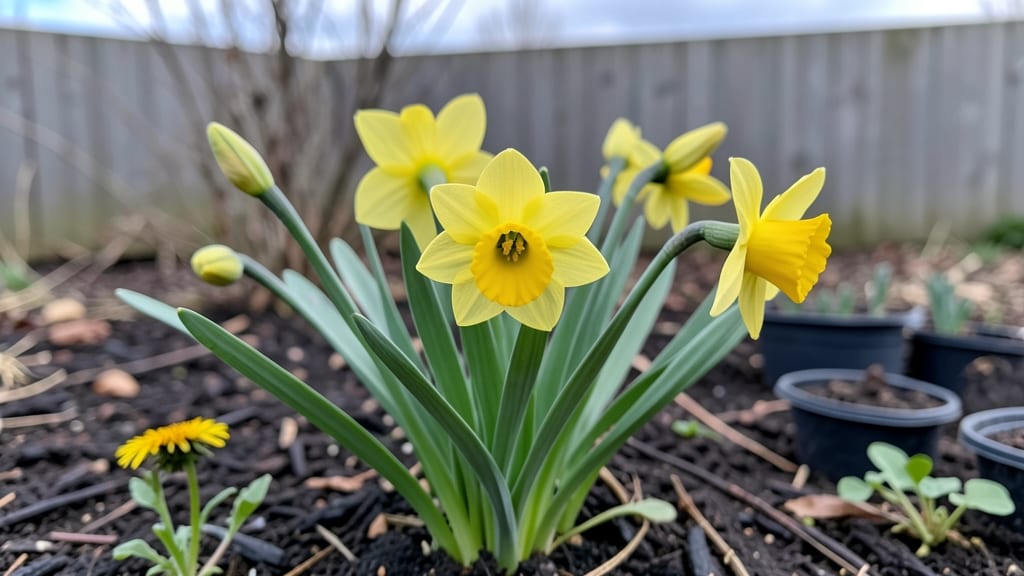
Gardening in March kicks off when the soil finally warms enough to start planting—if you time it right, you'll have lasting blooms all summer. I remember my first year planting too early, only to watch frost nip my tender seedlings.
Now, I wait for those 50°F nights and 60°F days before breaking out the trowel.
The key is preparing your soil now while it's still workable, not waiting until it's too dry. I mix in compost to wake up the soil life, then test drainage with a simple bucket test.
March is also the perfect time to start seeds indoors for late spring transplants—just keep them near a sunny window or under grow lights.
You'll see the first bright green shoots breaking through the soil within weeks, and those early starts mean bigger, hardier plants by summer. The secret is balancing patience with action—planting too soon risks frost damage, but waiting too long means slower growth.
I’ve learned the hard way that March is make-or-break for a productive season.
Whether you're in the Northern or Southern Hemisphere, the principles are the same: watch the weather, prep the soil, and start small. By the time April rolls around, your garden will be well on its way to becoming the envy of the neighborhood.
📚 In This Guide
- What you need
- Instructions
- Tips and common mistakes
- Wrapping up and next steps
What you need
- ● Garden Gloves (1-2 pairs): Heavy-duty, breathable gloves (e.g., leather or reinforced fabric) to protect hands from thorns, dirt, and blisters.
- ● Hand Trowel (1): Stainless steel or durable plastic, 6-8 inches long, for digging small holes and transplanting seedlings.
- ● Pruners (1 pair): Bypass pruners (sharp, clean-cutting) for trimming dead growth or harvesting.
- ● Garden Fork (1): Heavy-duty, 18-24 inches long, for aerating soil and breaking up compacted areas.
- ● Rake (1): Bow rake (for debris) or a sturdy leaf rake (for smoothing soil).
- ● Watering Can (1) or Hose with Adjustable Nozzle: A 1-2 gallon can for seedlings or a hose with a gentle spray setting for larger areas.
- ● Measuring Tape (1): 10-25 feet long for spacing plants accurately.
- ● Seedlings or Seeds: Cold-hardy veggies (e.g., peas, spinach, lettuce, kale) – 10-20 plants or seed packets.
- ● Perennials (e.g., lavender, coneflowers) – 3-5 plants.
- ● Bulbs (e.g., tulips, daffodils) – 10-15 bulbs per variety.
- ● Compost or Fertilizer: 5-10 lbs of organic compost or a balanced fertilizer (10-10-10 ratio) to enrich soil.
- ○ Mulch (Optional): Straw or shredded bark (2-3 inches thick) to retain moisture and suppress weeds.
- ○ Row Covers or Frost Blankets (Optional): Lightweight fabric to protect tender plants from late frosts.
- ○ Plant Markers (Optional): Wooden or biodegradable labels to track seedlings.
- ○ Soil Test Kit (Optional but Recommended): Check pH and nutrient levels (ideal pH: 6.0-7.0 for most plants).
- ● Sunlight Assessment: Map your garden’s sun exposure (full sun = 6+ hours/day, partial shade = 3-6 hours).
- ● Weather Check: Monitor last frost dates in your zone (use Almanac’s Frost Calculator).
- ● Water Source: Ensure easy access to water (hose, rain barrel, or drip irrigation).
Instructions for March gardening success
March is the perfect time to set your garden up for a flourishing season ahead.
Assess Your Soil and Prepare the Ground
Start by testing your soil’s readiness. March’s cooler temperatures mean the ground may still be damp, but if it’s dry to the touch, it’s time to work it. Use a garden fork to loosen the top 6-8 inches of soil, breaking up any compacted layers. This helps roots penetrate easily later.
If your soil feels heavy or clay-like, mix in 2-3 inches of compost to improve drainage and fertility. Spread it evenly over the area and gently rake it in. The goal is to create a loose, crumbly texture that holds moisture without becoming soggy. This prep work now prevents root stress when planting time arrives.
Start Cool-Season Crops Indoors or Outdoors
March is ideal for sowing cool-season vegetables like lettuce, spinach, and peas. If frost is still a risk in your area, begin these indoors under grow lights. Plant seeds about ¼ inch deep in seed trays filled with the potting mix, keeping the soil consistently moist but not waterlogged.
For hardier plants like kale or broccoli, you can direct-sow outdoors once soil temperatures reach 40°F. Space seeds according to their mature size—typically 1-2 inches apart for leafy greens. Thin seedlings later to avoid overcrowding. Watch for the first true leaves to emerge; this tells you germination is successful.
Prune Perennials and Early-Blooming Shrubs
March is the best time to prune dormant perennials and shrubs like hydrangeas or roses. Use clean, sharp pruners to cut back dead or damaged branches first. Then, shape the plant by removing any crossing or weak growth. This encourages stronger new growth in spring.
For early bloomers like lilacs, prune immediately after flowering to avoid cutting off next year’s buds. Avoid heavy pruning on late-blooming shrubs—wait until summer instead. Always sterilize your pruners with rubbing alcohol between cuts to prevent disease spread.
Plan and Protect New Plantings
Before planting, sketch a simple garden layout to maximize sunlight and space. Group plants with similar water and sunlight needs together. If frost is still a concern, cover tender seedlings with row fabric or a lightweight blanket at night. Remove it during the day to let light reach the plants.
Mulch newly planted areas with 2-3 inches of organic mulch to retain soil moisture and suppress weeds. Keep mulch a few inches away from plant stems to prevent rot. This layer also insulates roots from temperature swings, which are common in March.
Monitor and Adjust as Conditions Change
March weather can shift quickly—check your garden daily for signs of stress. Wilting leaves may mean the soil is too dry, while yellowing suggests overwatering. Adjust your watering schedule based on rainfall; most plants need about 1 inch of water per week, either from rain or irrigation.
If an unexpected frost warning appears, cover sensitive plants with frost cloth or move potted plants to a sheltered spot. Keep an eye on soil moisture too; cooler temperatures slow evaporation, so you may not need to water as often as you did in warmer months.
Tips & tricks for perfect March gardening
March gardening sets the stage for a thriving season—here’s how to avoid common pitfalls and maximize your early planting success.
Soil Preparation Wisdom: When loosening the top 6-8 inches of soil in Step 1, focus on breaking up compacted layers horizontally first, then vertically. This creates channels for roots to grow deeper without tearing. If your soil feels particularly dense, consider adding a thin layer of coarse sand mixed with compost—this improves drainage without overwhelming the soil structure.
Seed Starting Secrets: For cool-season crops in Step 2, don’t skip the warmth test before direct sowing. Press your finger about 2 inches into the soil—if it feels cold to your touch, wait a few more days. The 40°F soil temperature guideline is ideal, but cooler conditions can delay germination. For indoor starts, maintain consistent moisture by watering from the bottom of seed trays to avoid disturbing delicate seedlings.
Pruning Precision: In Step 3, when shaping shrubs, cut just above a bud or outward-facing branch to encourage new growth. For lilacs specifically, prune immediately after flowering by removing only the oldest wood—this prevents over-thinning. Always sterilize your pruners between cuts to prevent spreading diseases like fire blight, which thrives in early spring.
Mulching Mastery: The 2-3 inches of mulch in Step 4 should be spread evenly but kept 2-3 inches away from plant stems to prevent rot. For extra insulation during March’s temperature swings, use straw mulch instead of wood chips—it breaks down slower and provides better moisture retention. This is especially helpful in regions with unpredictable spring weather.
Pro Tips for Gardening In March
- March gardening sets the stage for a thriving season—here’s how to avoid common pitfalls and maximize your early planting success.
- Soil Preparation Wisdom: When loosening the top 6-8 inches of soil in Step 1, focus on breaking up compacted layers horizontally first, then vertically.
- Seed Starting Secrets: For cool-season crops in Step 2, don’t skip the warmth test before direct sowing.
Frequently asked questions
Got questions about kickstarting your March garden? You’re not alone!
Here are some of the most common concerns—and practical answers—to help you plant with confidence.
What can I safely plant in March, even in colder climates?
March is perfect for cool-season crops like lettuce, peas, spinach, and broccoli. Hardier perennials (e.g., lavender, thyme) also thrive. Check your USDA Hardiness Zone—Zone 5+ can start seeds indoors or sow outdoors after the last frost. Pro tip: Use row covers for extra warmth if nights are chilly!
How do I know when it’s really safe to plant outdoors?
Wait until the soil temperature hits 40–50°F (4–10°C) for most veggies and 50–60°F (10–15°C) for tender plants. A simple soil thermometer (or the "fist test"—if soil feels cool but not frozen, you’re good!) helps. Rule of thumb: Avoid planting when night temps dip below 32°F (0°C).
Can I start seeds indoors in March, and what do I need?
Use seed-starting trays, sterile potting mix, and a grow light (or sunny window). Ideal temps: 65–75°F (18–24°C). Seedlings need 12–16 hours of light daily. Troubleshooting: Damping off? Reduce watering and improve airflow with a small fan.
What if March is unusually wet or rainy?
Too much rain? Improve drainage with raised beds or containers, and avoid overwatering. For seedlings, use clear plastic domes to protect from heavy downpours. Mulch (straw or shredded leaves) helps retain moisture without soggy soil. Watch for: Fungal diseases—space plants for airflow and remove affected leaves promptly.
Do I need special tools for early March gardening?
Not necessarily! Basic tools like a hand trowel, pruners, and garden gloves cover most tasks. For seed-starting, a spray bottle (for gentle watering) and heat mat (for faster germination) are helpful. Budget hack: Repurpose household items (e.g., egg cartons for seed starters) to save costs.
| Quick Fixes for March Garden Woes |
|---|
| Cold soil? Add compost or use black plastic mulch to warm it faster. |
| Slow germination? Try soaking seeds overnight before planting. |
| Pests early? Use neem oil or introduce beneficial insects like ladybugs. |
Wrapping up and next steps
March is your chance to lay the groundwork for a vibrant garden—whether you're sowing seeds, prepping soil, or planning layouts.
With the right tools, techniques, and a little patience, you’ll be rewarded with months of blooms and bountiful harvests. 🌱 Don’t wait for perfect weather; take action now and watch your garden thrive!
Ready to dive in? Start small—pick one task from this guide and make it your March mission. Soon, you’ll be a seasoned gardener, turning early efforts into summer-long beauty.