
Shrubs
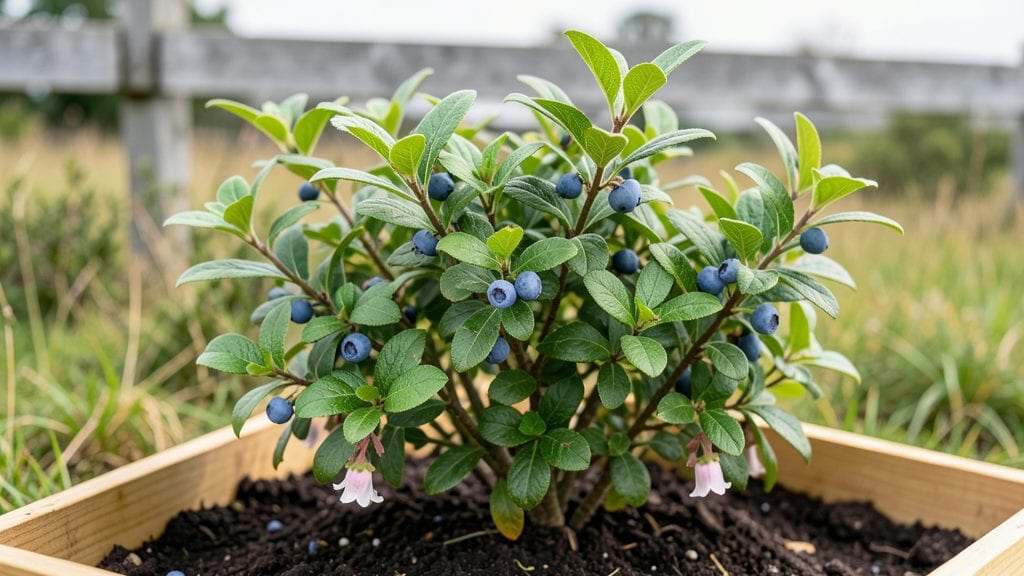
The secret to successful gardening blueberry bushes that yield fruit for years begins with spacing them 5 to 6 feet apart—too close, and they’ll fight for sunlight, stunting your harvest.
I learned that the hard way when my first two bushes crowded out each other, leaving me with tiny, sour berries instead of the plump, sweet ones I’d dreamed of.
The right distance isn’t just about room to grow; it’s about airflow that keeps diseases at bay and makes pruning a breeze.
You’ll need well-draining, acidic soil—think pH 4.5 to 5.5—and a spot with full sun for at least 6 hours a day. Southern gardeners can plant almost year-round, while cooler climates wait until early spring, after the last frost but before buds swell.
Mulch heavily with pine needles or wood chips to maintain acidity and retain moisture, because blueberries hate soggy roots but love consistent dampness. The first year is all about establishing roots, so hold off on heavy harvesting until the second or third year.
By year three, you’ll be picking pints of berries in late spring and again in fall, with proper care. The bushes will fill out, their branches heavy with clusters of deep blue jewels that stain your fingers and attract birds.
Prune in late winter to remove dead wood and thin crowded stems, and fertilize with an acid-loving plant formula twice a year. The payoff? A harvest that tastes nothing like the bland store-bought kind—and neighbors who’ll beg for cuttings.
Cold-hardy varieties like ‘Bluecrop’ thrive in zones 4–6, while ‘Southern Highbush’ suits zones 7–9, so pick what matches your climate. The key to long-term success? Patience and attention to soil pH—skip those steps, and you’ll end up with leafy bushes and no berries.
But nail it, and you’ve got a shrub that keeps giving for decades.
📚 In This Guide
- What you need
- Instructions
- Tips and common mistakes
- Wrapping up and next steps
What you need
- ● Blueberry plants: 3–5 bushes (choose northern or southern varieties based on your USDA zone).
- ● Well-draining soil: Acidic (pH 4.5–5.5), rich in organic matter (e.g., peat moss, pine bark, or compost). Test your soil first!
- ● Mulch: 2–3 inches of pine straw or wood chips (keeps soil acidic and moist).
- ● Fertilizer: Acid-loving plant fertilizer (e.g., Miracle-Gro Azalea, Camellia, & Rhododendron or cottonseed meal).
- ● Pruning shears: Sharp, clean pair (sterilize with rubbing alcohol between cuts).
- ● Watering system: Drip irrigation or soaker hose (blueberries hate soggy roots but need consistent moisture).
- ○ Support stakes (optional but helpful): 4–6 ft bamboo stakes for larger varieties.
- ● Soil pH test kit: Ensures your soil stays in the perfect acidic range.
- ● Blueberry plant food: Slow-release granules (e.g., Osmocote for acid-loving plants).
- ● Bird netting: Protects ripe berries from hungry feathered friends!
- ● Compost bin: For homemade organic fertilizer.
- ● Garden gloves: Because nobody wants prickly thorns on their hands. 😅
Step-by-step instructions for planting and maintaining blueberry bushes
Here’s how to plant blueberry bushes for a thriving, productive garden that delivers fruit year after year.
Choose the Right Location and Prepare the Soil
Blueberry bushes thrive in acidic soil with a pH between 4.5 and 5.5. Test your soil first—if it’s too alkaline, amend it with peat moss or sulfur before planting. Pick a spot with full sun exposure, at least 6 hours of direct sunlight daily, and good drainage to prevent root rot.
Dig a hole twice as wide as the root ball but only as deep as the container it came in. Loosen the soil at the bottom of the hole to encourage root growth. If your soil is heavy clay, mix in compost or organic matter to improve drainage and aeration. I always add a 5-gallon bucket of peat moss to the planting hole to ensure the right acidic environment.
Plant Blueberry Bushes at the Correct Spacing
Space blueberry bushes 4 to 6 feet apart in rows 8 to 10 feet apart to allow for proper airflow and future growth. Planting too closely leads to competition for nutrients and increases disease risk. Dig a hole, place the bush in so the top of the root ball sits 1 inch above soil level, and backfill with the amended soil.
Gently firm the soil around the roots to remove air pockets, then water deeply to settle everything. Mulch the base with 3 inches of pine needles or wood chips—this helps maintain soil acidity and retain moisture. Avoid using regular mulch like straw, which can raise the pH over time.
Water and Fertilize for Healthy Growth
Water blueberry bushes deeply once a week, ensuring the soil stays moist but not soggy. Young plants need 1 inch of water per week, while established bushes tolerate slightly drier conditions. I check moisture by sticking my finger 2 inches into the soil—if it feels dry, it’s time to water.
Fertilize in early spring with an acid-loving plant fertilizer or cottonseed meal. Avoid high-nitrogen fertilizers, which can burn roots. Spread ½ pound of fertilizer per bush and water it in. Repeat in mid-summer to encourage new growth before winter. Over-fertilizing leads to excessive foliage at the expense of fruit production.
Prune and Maintain for Year-Round Productivity
Prune blueberry bushes in late winter or early spring before new growth begins. Remove dead, diseased, or crossing branches to improve airflow and sunlight penetration. Cut back any overly long or weak stems to encourage bushier growth. I never prune more than one-third of the plant in a single season to avoid stressing it.
Harvest berries when they’re deep blue and fully ripe, usually in mid to late summer. Pick them gently to avoid damaging the stems. After harvesting, thin out any overcrowded canes to maintain the bush’s shape and productivity. A well-maintained blueberry bush can produce fruit for 20 years or more with proper care.
Tips & tricks for perfect blueberry bush planting and care
Here's what I've learned after years of growing blueberries—these tricks make all the difference between a struggling bush and one that produces fruit for decades.
Soil pH Test First: Don't skip testing your soil's pH before planting. Many gardeners assume their soil is acidic, but testing with a simple kit reveals the truth. If your pH is above 5.5, you'll need to amend with sulfur or peat moss—this step alone can mean the difference between a thriving bush and one that struggles to produce berries. I've seen bushes in unamended soil produce only a handful of berries when they could have given me gallons.
Planting Depth Matters: When planting, make sure the top of the root ball sits just 1 inch above soil level—not buried deeper. Planting too deep suffocates the roots and can lead to rot, while planting too shallow leaves the roots exposed. I always double-check this by comparing the root ball's top to the original soil line from the nursery pot.
Mulching Strategy: Use only pine needles or wood chips for mulch—regular mulch like straw can actually raise your soil's pH over time. Apply 3 inches of mulch right after planting to help maintain that crucial acidity while keeping weeds at bay. I refresh the mulch layer every spring to maintain its effectiveness throughout the growing season.
Watering Technique: The key to watering is consistency—deep watering once a week is better than light watering every day. I check moisture by sticking my finger 2 inches into the soil; if it feels dry, that's when I water. For young plants, aim for 1 inch of water per week, but established bushes can handle slightly drier conditions. This prevents root rot while ensuring your bushes get enough moisture.
Pro Tips for Gardening Blueberry Bushes
- Here's what I've learned after years of growing blueberries—these tricks make all the difference between a struggling bush and one that produces fruit for decades.
- Soil pH Test First: Don't skip testing your soil's pH before planting.
- Planting Depth Matters: When planting, make sure the top of the root ball sits just 1 inch above soil level—not buried deeper.
Frequently asked questions
Got questions about growing blueberry bushes? You’re not alone! Here are some of the most common queries—plus straightforward answers to help you cultivate a thriving, fruitful shrub.
How far apart should I plant blueberry bushes?
Space blueberry bushes 4 to 6 feet apart in rows, depending on the variety. Northern highbush types (like ‘Bluecrop’) need 5–6 feet, while southern highbush (like ‘O’Neal’) can handle 4–5 feet. Dwarf varieties? Just 2–3 feet! Proper spacing ensures airflow, reduces disease, and makes harvesting easier.
When is the best time to plant blueberry bushes?
The ideal time is late fall or early spring when the soil is workable but not frozen. Fall planting gives roots time to establish before summer heat, while spring planting avoids winter stress. Avoid planting in extreme heat or drought—young bushes need consistent moisture to thrive.
Why aren’t my blueberry bushes producing fruit?
Common culprits include lack of pollination (plant multiple varieties nearby), improper soil pH (blueberries need acidic soil, pH 4.5–5.5), or young age (bushes may take 2–3 years to bear fruit). Check for pests, over-fertilizing, or winter damage too.
Can I grow blueberries in containers or small spaces?
Dwarf varieties like ‘Top Hat’ or ‘Peach Sorbet’ thrive in 5-gallon pots with well-draining, acidic soil. Use a mix of peat moss, pine bark, and compost. Place containers in full sun and water consistently—containers dry out faster. Just ensure pots are large enough for root growth!
How often should I water blueberry bushes?
Keep soil evenly moist but not soggy, especially during flowering and fruiting. Water deeply 1–2 times per week (more in hot/dry climates). Mulch around the base to retain moisture and regulate temperature. Avoid overhead watering to prevent fungal diseases like botrytis.
Wrapping up and next steps
Growing your own blueberry bushes is a rewarding journey that brings sweet, nutritious fruit to your table—and with the right spacing, you’ll enjoy a year-round harvest! 🌱 From selecting the perfect site to pruning and protecting your plants, every step plays a key role in success.
Whether you’re a beginner or a seasoned gardener, these tips will help you nurture thriving bushes and savor homegrown blueberries for seasons to come.
Ready to dive in? Start by planting your bushes this fall or early spring, and soon, you’ll be picking plump, juicy berries straight from your garden. Happy gardening! 🍇