Tools
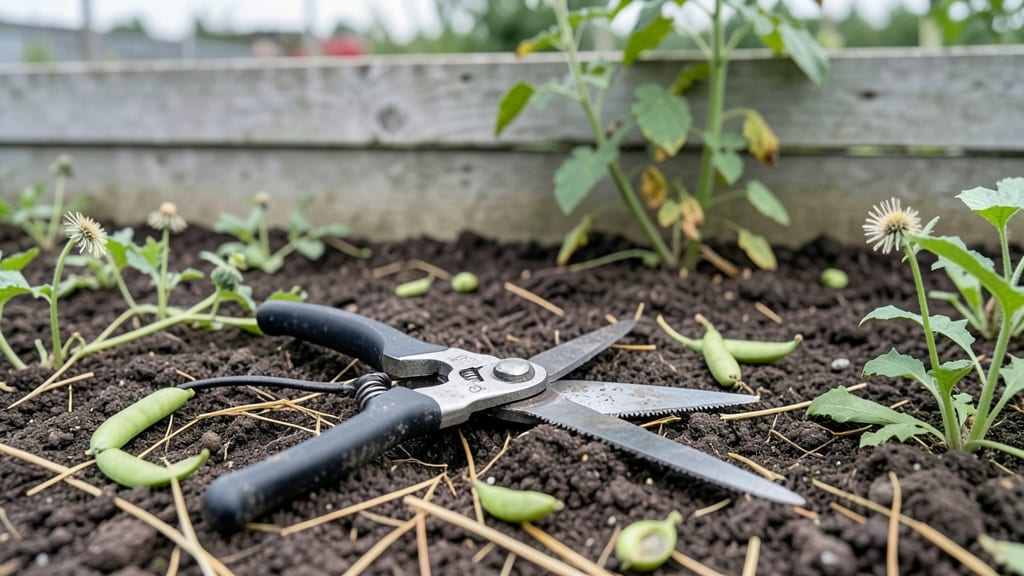
Garden scissors are called pruners or shears, depending on their design and purpose: pruners handle finer cuts and branches, while shears manage larger foliage or deadheading tasks with their longer blades and reinforced structure.
These specialized tools go by different names because their designs serve distinct gardening needs.
Pruners, also known as secateurs, are ideal for precise trimming of smaller branches and stems, thanks to their sharp, bypass blades that create clean cuts without crushing plant tissue. 🌿 Meanwhile, shears—with their longer handles and reinforced blades—are built for heavier-duty tasks like trimming thick foliage or removing dead blooms from perennials.
The choice between them often comes down to the scale of your project and the type of plants you're working with.
For example, if you're shaping roses or delicate shrubs, pruners offer the control you need. But for larger hedges or bulk cleanup, shears with their extended reach and durability will save you time and effort.
I always recommend keeping both types handy—it's like having a Swiss Army knife for your garden!
💡 In This Article
- Pruners vs Shears: Key Differences in Design and Function
- Choosing the Right Garden Scissors for Pruning Tasks
Pruners vs shears: key differences in design and function
The core difference between pruners and shears lies in their blade mechanisms. Pruners typically feature bypass blades, where two sharp blades slide past each other like scissors. This design creates clean, precise cuts that heal plants faster by minimizing tissue damage.
The blades can handle stems up to ½ inch thick, making them perfect for shaping roses or delicate shrubs where precision matters most.
Shears, on the other hand, often use an anvil blade design, where one sharp blade meets a flat surface. This creates a crushing action better suited for thicker foliage or woody stems up to ¾ inch in diameter.
The trade-off? Anvil shears can crush plant tissue more than bypass pruners, sometimes causing more stress to the plant. However, their reinforced construction makes them ideal for heavy-duty tasks like trimming boxwood hedges or clearing overgrown perennials.
Ergonomics play a crucial role too. Pruners often have shorter handles (around 6-8 inches) for close-up work, while shears extend to 10-12 inches for reaching higher branches without strain.
The handle material matters: rubberized grips reduce hand fatigue during long sessions, while aluminum or composite handles balance durability and weight. I've found that lightweight pruners (under 1 pound) are easier to maneuver for detailed work, while shears benefit from slightly heavier construction for stability during forceful cuts.
Material durability separates budget tools from professional-grade options. High-quality pruners use stainless steel blades that resist rust and corrosion, while carbon steel blades offer sharper edges but require more maintenance. Shears often feature high-carbon steel for their cutting edges, combined with stainless steel handles for longevity.
The difference shows when cutting wet branches—stainless steel won't rust, while carbon steel may need occasional oiling to prevent corrosion.
Consider the cutting capacity for your specific needs. Pruners excel at 1/8 to ½ inch cuts, perfect for deadheading flowers or trimming herb stems. Shears handle ½ to ¾ inch material, making them better for bulk pruning or harvesting herbs like basil or cilantro.
The blade angle also matters: pruners often have 30-45 degree angles for clean cuts, while shears may have straight or slightly curved blades for efficiency on larger surfaces.
For maintenance, pruners require regular sharpening (every 10-20 hours of use) to maintain their precision, while shears can go longer between sharpenings due to their heavier construction. The choice ultimately depends on your gardening style: precision-focused gardeners swear by pruners, while those tackling larger projects prefer shears. 🌿