
Tools
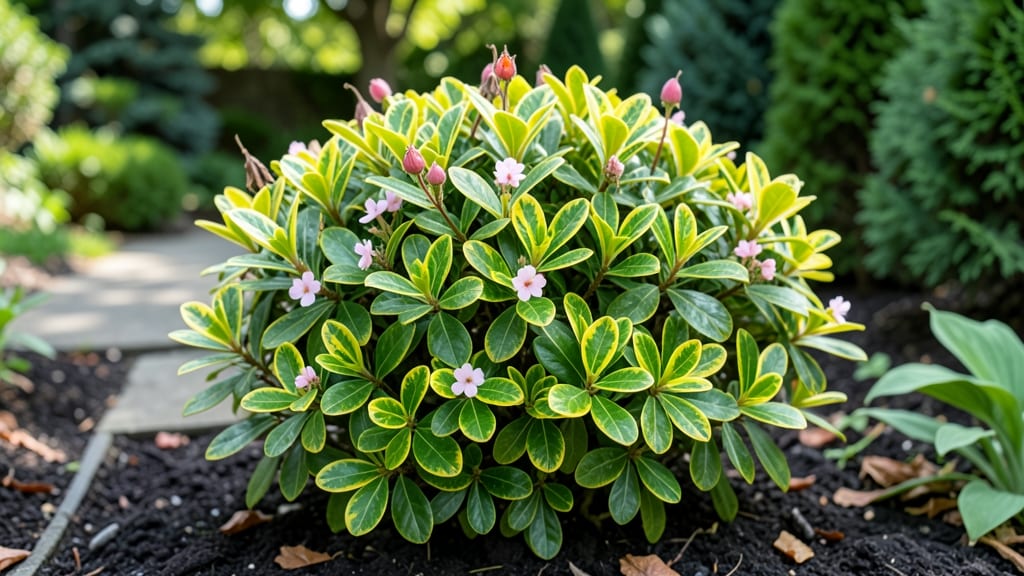
The new Garden Eye tool revolutionizes plant care by tracking soil moisture, temperature, and growth metrics wirelessly, delivering instant app notifications to optimize watering and health—all without digging or damaging roots.
The Garden Eye system uses embedded soil sensors that communicate wirelessly with your smartphone, eliminating the need for manual checks or invasive monitoring. 🌱 This tech-driven approach helps gardeners maintain ideal conditions by adjusting care routines based on real-time data—like detecting drought stress before it shows visible damage.
For example, herbs like basil thrive with precise moisture levels, while drought-tolerant succulents need far less attention, and the tool adapts to each plant's unique needs automatically.
What sets this apart is the combination of hardware and software: the sensors are durable enough for outdoor use, while the app provides customizable alerts for everything from overwatering risks to temperature fluctuations.
I’ve found it especially useful during heatwaves, where the alerts help me adjust irrigation schedules before plants show signs of heat stress.
💡 In This Article
- How Garden Eye Sensors Improve Plant Health Monitoring
- Best Garden Eye Applications for Different Plant Types
How Garden Eye sensors improve plant health monitoring
Garden Eye sensors work by embedding tiny, wireless probes into the soil that measure three critical factors: moisture levels, temperature, and electrical conductivity (which indicates nutrient balance). The moisture sensor uses capacitive technology—tiny electrodes detect how much water surrounds them by measuring changes in dielectric constant.
When soil dries out, the capacitance drops, triggering alerts. Temperature sensors, meanwhile, use thermistors that change resistance with heat, providing precise readings down to 0.1°F increments.
The wireless connectivity happens through low-power Bluetooth or Wi-Fi modules that sync data every 15-30 minutes to your phone. This avoids the battery drain of constant transmissions while still giving near-real-time updates.
The app processes this data using algorithms that compare readings against optimal ranges for specific plants—like 60-70% moisture for herbs versus 30-40% for cacti.
What’s clever is how it predicts stress before it happens: if soil temperature spikes above 90°F for more than 2 hours, it flags potential root damage.
Real-time data prevents common gardening mistakes like overwatering (which suffocates roots) or underwatering (causing wilting).
For example, the sensor might show your basil’s soil moisture dropping 5% in an hour—a sign it’s thirsty—but also detect that the air temperature is 85°F, meaning you should water slowly to avoid runoff.
The app even suggests adjustments like mulching or adjusting irrigation schedules based on historical patterns for that plant type.
Here’s where the science gets fascinating: the sensors detect subsurface moisture (not just surface wetness), which is where roots actually drink.
Traditional methods like sticking your finger in the soil only check the top 1-2 inches, but Garden Eye probes go 6-12 inches deep—critical for perennial plants with deep root systems.
The electrical conductivity readings also help identify nutrient deficiencies before leaves yellow, since imbalanced salts change how water moves through soil.
Seasonal variations are automatically accounted for too. The app learns from your garden’s microclimate—like how your tomato plants handle summer heat versus spring rains—and adjusts alerts accordingly. For instance, it might stop sending "water now" notifications in winter if your soil naturally stays moist from snowmelt.
This adaptive learning is what turns raw data into actionable intelligence for any gardener, from beginners to experts.
What most people overlook is how these sensors prevent physical plant stress. When roots experience sudden temperature swings (like moving from shade to sun), the sensors detect the soil’s thermal shock before the plant shows wilting.
Similarly, they catch overwatering early by monitoring oxygen levels in the soil—roots need 10-20% air space to breathe, and waterlogged soil cuts this off, triggering alerts before roots suffocate.