Trees
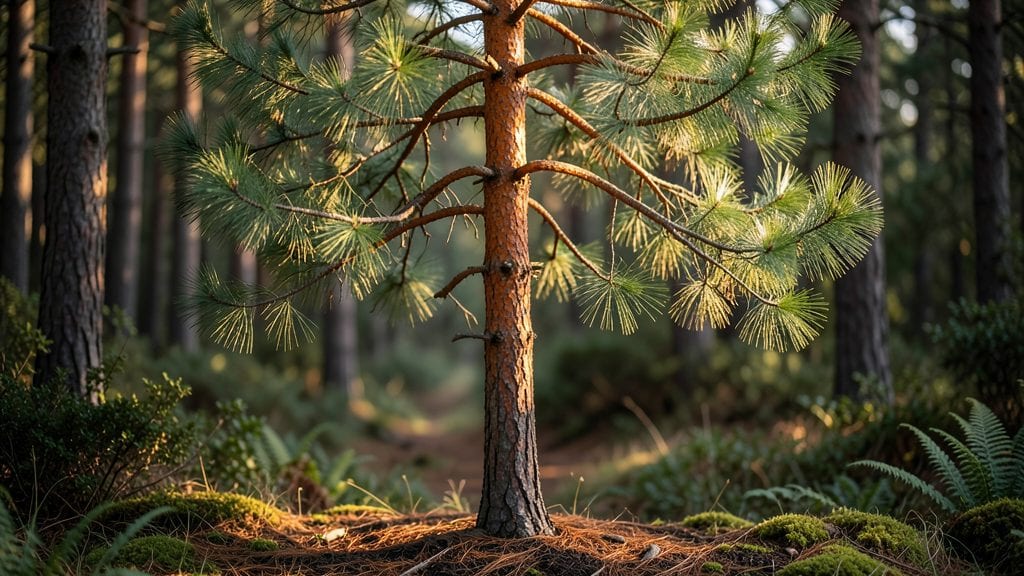
Planting garden pine trees isn’t just about adding greenery—it’s about creating a living tapestry that stays stunning through every season. ✨ The right pines transform any yard into a serene woodland retreat or a bold privacy screen, their needles shifting from bright green to deep blue-green as they mature.
I’ve used pines to define property lines, frame entryways, and even create mini-forests in small backyards. The key is choosing the right species for your climate—dwarf pines for tight spaces, fast-growing types like Leyland cypress for quick privacy, or native pines for low-maintenance resilience.
Spacing matters too: give taller varieties at least 8-10 feet between them for airflow and future growth.
What you’ll love most is how pines add texture and movement even when everything else is dormant. Their scent on a crisp morning, the way sunlight filters through their branches—it’s the kind of beauty that grows with time.
Pair them with ferns, azaleas, or ground covers to soften their rugged outlines and create layers that feel intentional.
This works for coastal gardens, woodland escapes, or even urban yards with the right selection. The best part? Once established, they require almost no upkeep beyond occasional pruning. Let’s turn your space into a year-round sanctuary with these evergreen stars.
📚 In This Guide
- What you need
- Instructions
- Tips and common mistakes
- Wrapping up and next steps
What you need
- ● Pine Tree Saplings: 1–3 trees (depending on desired height and spacing; e.g., Pinus strobus or Pinus sylvestris for classic options).
- ● Size: 3–5 feet tall (smaller for easy handling, larger for faster privacy).
- ● Soil Amendments: 5–10 lbs of well-draining potting mix or sandy loam (pines hate soggy roots!).
- ● 1–2 lbs of pine tree fertilizer (slow-release, acidic formula like 10-10-10 or 8-3-9).
- ● Planting Supplies: 1–2 shovel (round-point for digging, flat-head for amending soil).
- ● 1 garden hose or watering can (with a fine rose nozzle).
- ○ 1 roll of landscape fabric (optional but recommended for weed control; 3–4 feet wide).
- ● Mulch: 2–3 bags of pine bark mulch or wood chips (3–4 inches deep; retains moisture and mimics natural forest floors).
- ● Hand Tools: Pruning shears (for shaping young trees).
- ● Gloves (heavy-duty for mulch/soil work).
- ● Safety Gear: Safety goggles (if handling heavy mulch or rocks).
- ● Knee pads (for comfort during planting).
- ● Enhancements: Erosion control fabric (for slopes or windy areas).
- ● Stakes + tree ties (for young trees in exposed locations).
- ● Solar-powered tree watering system (for low-maintenance hydration).
- ● 🌞 Sunlight: Full sun (6+ hours/day) for optimal growth.
- ● 💧 Water Access: Hose or irrigation nearby (pines need deep watering 1–2x/week for the first year).
- ● 📏 Space Planning: Measure your area—pines need 6–10 feet of spacing between trees for mature growth.
- ○ 🌿 Soil Test (Optional but Helpful): Check pH (ideal: 4.5–6.0; use sulfur to lower pH if needed).
Step-by-step guide to planting pine trees for a privacy screen
Here's how I create a lush, evergreen barrier that stays beautiful all year—no seasonal drama.
🌱 Step 1: Choose the Right Pine Varieties for Your Climate
Start with pines suited to your hardiness zone. For northern climates, I recommend Norway spruce or Colorado blue spruce—both handle cold winters well. Southern gardeners should opt for Loblolly pine or Longleaf pine, which thrive in heat and humidity. Check your zone on the USDA map before buying.
Look for 1-2 year old bare-root seedlings at nurseries—they establish faster than larger trees. Avoid container-grown pines unless you're planting in extreme heat or drought, as they often struggle with transplant shock. I always ask for disease-resistant stock, especially if your area has pine beetle issues.
🪴 Step 2: Prepare the Planting Site for Fast Establishment
Pick a location with full sun (at least 6 hours daily) and well-draining soil—pines hate soggy roots. Test your soil's pH; most pines prefer acidic conditions (pH 4.5-6.0). If your soil is alkaline, amend with peat moss or sulfur before planting.
Dig holes twice as wide as the root ball but only as deep as the container's root base. Space trees 8-12 feet apart for a dense screen—closer spacing works for faster privacy but may require thinning later. I always dig a 12-inch deep trench between rows to improve drainage and reduce competition.
💧 Step 3: Plant at the Right Depth and Water Thoroughly
Remove the tree from its container and loosen any circling roots gently with your fingers. Place it in the hole so the root flare (where roots meet trunk) sits 1-2 inches above soil level—burying too deep suffocates the tree. Backfill with native soil mixed with compost to encourage root growth.
Water immediately after planting with 5 gallons per tree to settle the soil. Mulch with 3 inches of pine bark (keeping mulch 6 inches away from the trunk) to retain moisture and suppress weeds. I always water again the next day to prevent shock—pines need consistent moisture their first year.
☀️ Step 4: Provide Care for First-Year Growth
Pines need deep watering every 7-10 days during their first year, especially in hot weather. You'll know they're getting enough when the soil feels dry 2-3 inches down—stick your finger in to check. Avoid overhead watering, which can spread fungal diseases like needle blight.
Fertilize lightly in early spring with a slow-release pine fertilizer (follow package rates). Skip heavy fertilizers—pines grow slowly and don't need much. Prune only to remove dead or broken branches in late winter; never "shear" pines for shape—they won't recover well.
⏰ Step 5: Maintain Long-Term Health for a Dense Screen
After the first year, water only during prolonged dry spells—mature pines are drought-tolerant once established. I check for pine beetle infestations annually by looking for sawdust-like frass at the base of trees. If you spot signs, treat with neem oil or contact your extension office for organic solutions.
Thin out trees if they grow too close—aim for 6-8 feet between mature pines for airflow and light penetration. A well-spaced screen will fill in naturally over 5-10 years, giving you that perfect evergreen backdrop without constant maintenance.
Tips & tricks for perfect garden pine trees
A few key strategies will help you create a thriving evergreen screen that stays lush year after year.
Selection Tip: When choosing your 1-2 year old seedlings, look for trees with flexible, white roots rather than hard, brown ones. This indicates healthy, vigorous root systems that establish faster. I always check for fresh, vibrant needles—any yellowing or browning means the tree is already stressed. For areas prone to pine beetles, ask your nursery for trees treated with systemic insecticides, which provide built-in protection during their first critical year.
Soil Preparation Strategy: Don't skip the pH test—most garden soils are naturally alkaline, and pines absolutely refuse to thrive in those conditions. If your soil tests above pH 6.0, amend with elemental sulfur at a rate of 1 pound per 100 square feet, working it into the top 6 inches of soil before planting. I've seen dramatic differences in growth when I take this step, especially in clay-heavy soils that naturally resist pH changes.
Planting Depth Secret: The root flare (where roots meet trunk) must stay visible above the soil line—this is non-negotiable. I've seen too many gardeners bury the flare too deep, which suffocates the tree and leads to slow growth or even death. After planting, gently press the soil around the roots but don't compact it—pines need loose, airy soil to establish properly. A simple trick is to use a small stick to create air pockets around the roots before backfilling.
Watering Wisdom: Those first 5 gallons of water after planting aren't just for settling the soil—they're creating a moisture reservoir that helps roots establish. I always water again the next day to prevent transplant shock, which is when roots dry out before they can access soil moisture. For the first year, think of watering as a weekly ritual rather than a reaction to wilting—consistent moisture is what builds strong root systems that can handle drought later.
Pro Tips for Garden Pine Trees
- A few key strategies will help you create a thriving evergreen screen that stays lush year after year.
- Selection Tip: When choosing your 1-2 year old seedlings, look for trees with flexible, white roots rather than hard,...
- Soil Preparation Strategy: Don't skip the pH test—most garden soils are naturally alkaline, and pines absolutely refu...
Frequently asked questions
How fast do garden pine trees grow for privacy?
Most garden pine varieties grow moderately fast—typically 12 to 24 inches per year under ideal conditions. For quick privacy, opt for faster-growing species like Pinus taeda (Loblolly Pine) or Pinus elliottii (Slash Pine), which can reach 10 to 15 feet in 5–7 years. Slower growers like Pinus sylvestris (Scots Pine) take longer but offer dense, long-term coverage.
When is the best time to plant pine trees for privacy?
The ideal planting window is early spring (March–April) or fall (September–October), when soil is moist but not frozen. Avoid extreme heat or drought—young pines struggle with transplant shock. If planting in summer, water deeply 2–3 times per week for the first month to help roots establish.
Can I grow pine trees in containers for small gardens?
Yes! Dwarf pine varieties like Pinus mugo (Mugo Pine) or Pinus thunbergii (Japanese Black Pine) thrive in large containers (15+ gallons). Use well-draining soil with sand or perlite, and repot every 2–3 years. Place in full sun and water when the top inch of soil dries out. Pro tip: Fertilize lightly in spring with a slow-release, acid-loving plant formula.
How do I prevent pine tree pests like bark beetles or spider mites?
Pines are tough but can fall prey to pests. Preventative care includes:
- Inspect trees regularly for sawdust-like frass (beetle sign) or webbing (mites).
- Keep trees healthy and hydrated—stressed pines attract pests.
- Apply neem oil or insecticidal soap early in the season as a natural deterrent.
- Remove infested branches promptly and dispose of them in sealed bags.
For severe infestations, consult a local arborist for targeted treatments.
What’s a good alternative if I need faster privacy than pines?
If speed is key, consider these fast-growing alternatives to pines:
Plant
Growth Rate
Privacy Height (Years)
Leyland Cypress
3–4 ft/year
10–15 ft in 3–5 years
Green Giant Arborvitae
3–5 ft/year
12 ft in 4–5 years
Bamboo (Clumping, not running!)
2–3 ft/year
10+ ft in 5–7 years
Note: Pines win for low-maintenance, long-term privacy with their natural texture and wildlife benefits!
Wrapping up and next steps
Incorporating garden pine trees into your landscape isn’t just about adding greenery—it’s about creating a serene, low-maintenance haven that thrives year-round. 🌲 From their natural privacy benefits to their resilience and versatility, these evergreens offer both beauty and practicality.
Whether you’re a beginner or a seasoned gardener, their adaptability makes them a perfect choice for any outdoor space.
Ready to transform your yard? Start by selecting the right pine variety for your climate and space, then plan your planting strategy. Take the first step today—your future shaded retreat awaits!