
Tools
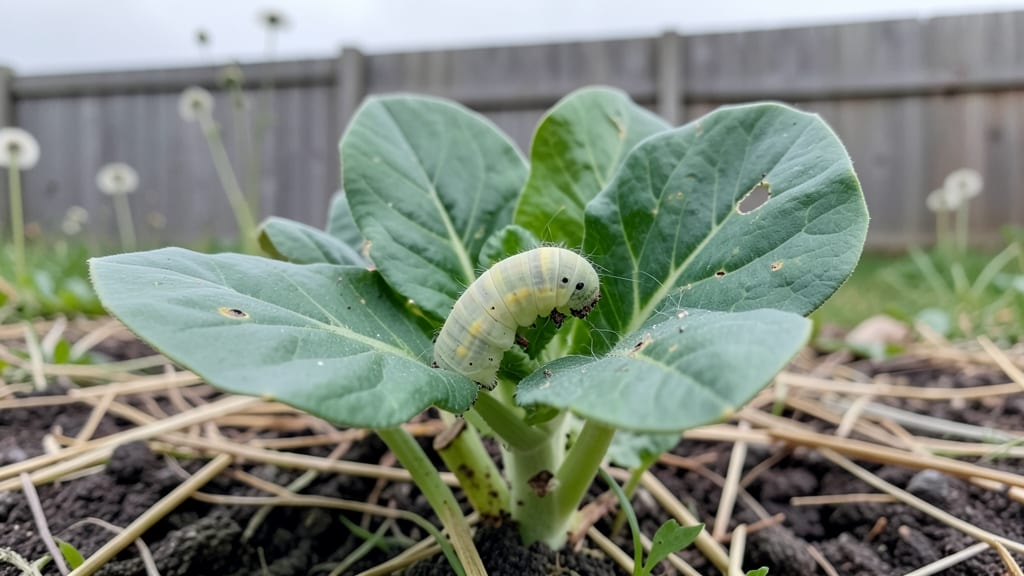
These garden pest photos will make you cringe—especially when you spot those tiny green blobs draining your roses dry. Garden pest photos are your first line of defense—because what you can’t name, you can’t stop.
I’ve spent years squinting at magnified bugs under my desk lamp, and I’ll save you that frustration with clear visuals and dead-simple ID tips. No more guessing whether that chewed leaf was a slug or a caterpillar (or your neighbor’s dog).
The real game-changer? Spotting the good bugs too—ladybugs, lacewings, and those creepy-crawly predators that actually help. Most gardeners panic at the first sign of damage, but I’ll show you how to tell friend from foe in seconds.
A quick photo reference changes "oh no, my garden’s dying" into "ah, just aphids—time for the hose."
By the end, you’ll recognize the top 10 invaders before they wreck your harvest, plus when to act (spray, trap, or ignore). No more wasted money on broad-spectrum pesticides or missed opportunities to let nature handle the cleanup.
Your plants will thank you—especially when you finally stop overreacting to every speckled leaf.
Works for vegetables, flowers, and even houseplants. Let’s get those pests identified—and out of your garden—for good.
Root Causes of Garden Pests
Pests don’t just randomly appear in your garden—they’re drawn by specific conditions that make your outdoor space an all-you-can-eat buffet. Understanding why these critters show up is the first step to keeping them at bay.
Below, we break down the science-backed reasons behind their unwelcome visits, so you can address the problem at its source.
Pests thrive where food is plentiful. If your garden is a smorgasbord, they’ll keep coming back. Here’s what’s really happening:
- Weak or stressed plants: Plants under duress (due to poor soil, drought, or overwatering) produce weaker defenses, making them easier targets. Pests like aphids and spider mites love this vulnerability.
- Overripe or fallen fruit: Dropped apples, overripe tomatoes, or unharvested berries attract fruit flies, slugs, and even raccoons. These pests aren’t just nibbling—they’re breeding.
- Unkempt mulch or debris: Piles of leaves, grass clippings, or old plant matter create hiding spots and breeding grounds for Thrips and Earwigs. Moisture and decaying organic matter? Pest paradise.
Actionable fix: Regularly prune dead growth, harvest crops promptly, and clear debris. Use dried diatomaceous earth around plant bases to deter pests without harming your garden.
Too much water isn’t just bad for your plants—it’s an open invitation to pests. Here’s the science:
- Fungal-loving pests: Slugs, snails, and fungus gnats require damp conditions to survive. Overwatering or poorly draining soil keeps their populations booming.
- Root rot attracts scavengers: When roots rot due to soggy soil, pests like Wireworms and Cutworms move in to feed on the decaying organic matter.
- Standing water breeds mosquitoes: Even a shallow puddle can become a breeding ground for Aedes mosquitoes, which also target your plants for moisture.
Actionable fix:
- Improve soil drainage with organic compost or perlite.
- Water deeply but infrequently—aim for the drip irrigation method to avoid soggy leaves.
- Use copper barriers or beer traps to deter slugs in moist areas.
In a balanced ecosystem, pests are kept in check by their natural enemies. But when these predators disappear, pests take over. Here’s why:
- Pesticide overuse: Broad-spectrum chemicals kill both pests and their predators (like ladybugs, lacewings, and birds). Without them, pests reproduce unchecked.
- Monoculture gardening: Planting the same crops in large patches (e.g., a whole row of roses) attracts specialized pests while offering no habitat for their predators.
- Habitat destruction: Removing wildflowers, shrubs, or leaf litter eliminates shelter for beneficial insects and wildlife.
Actionable fix:
- Introduce pollinator-friendly plants like marigolds, dill, or alyssum to attract ladybugs and parasitic wasps.
- Avoid neonicotinoids—opt for bacillus thuringiensis (Bt) or neem oil instead.
- Leave some garden "mess" (like leaf piles) for ground beetles and spiders to thrive.
Sometimes, the way we design and maintain gardens accidentally invites pests. Here’s how:
- Compacted soil: Heavy foot traffic or machinery compresses soil, reducing oxygen and making it easier for pests like Grubs to burrow and thrive.
- Artificial lighting: Outdoor lights (especially mercury vapor or sodium vapor) attract moths, beetles, and flying insects, which then lay eggs in your plants.
- Poor air circulation: Dense plantings or tall hedges create humid microclimates, perfect for powdery mildew and the pests that follow it.
Actionable fix:
- Use LED or shielded bulbs if you need night lighting—pests are less drawn to them.
- Space plants 3–6 inches apart for airflow, reducing humidity and fungal pests.
- Aerate soil annually with a garden fork to break up compaction.
By tackling these root causes, you’re not just treating symptoms—you’re rewriting the rules of your garden’s ecosystem. The key? Proactive prevention over reactive sprays. 🚀
Natural Fixes for Garden Pests
Pests in your garden can feel like an unwelcome party crashing your green oasis—but the good news is, you don’t need harsh chemicals to kick them out!
Below are practical, plant-friendly solutions tailored to common garden invaders, from chewy caterpillars to sneaky aphids. Each fix includes prevention tips to keep your garden pest-free long-term.
Cause: These nocturnal munchers leave silvery trails and ragged holes in leaves, especially after rain. Fix: 🔥 Set Up Barriers – Create a copper tape barrier (slugs hate the electric shock!) around pots and garden beds. Alternatively, use crushed eggshells or diatomaceous earth (a fine powder that dehydrates them). 🍳 Beer Traps – Bury a shallow dish filled with beer near affected plants. Slugs crawl in but can’t crawl out—poof, problem solved! 👨🍳 Handpick at Night – Grab a flashlight and toss them into soapy water (humane and effective). 🌡️ Prevention Tip: Water plants in the morning (not evening) to let soil dry faster—slugs love dampness!
Cause: These soft-bodied bugs cluster on new growth, stunting plants and leaving sticky honeydew (which attracts ants and mold). Fix: 🔥 Blast Them Off – Spray infested plants with a strong stream of water (aphids can’t swim away!). 🍳 Soapy Water Spray – Mix 1 tsp mild dish soap + 1 quart water in a spray bottle. Test on a small leaf first—this suffocates them in minutes. 👨🍳 Introduce Predators – Ladybugs, lacewings, and parasitic wasps love aphids. Buy them online or attract them with neem oil (a natural repellent). 🎯 Prevention Tip: Plant garlic, chives, or marigolds nearby—aphids hate their scent!
Cause: These metallic-green beetles devour leaves, leaving only veins behind. They’re aggressive and multiply fast! Fix: 🔥 Handpick & Drown – Drop them into soapy water (wear gloves—they bite!). 🍳 Neem Oil Spray – Mix 2 tbsp neem oil + 1 tsp mild soap + 1 quart water. Spray early morning to avoid harming bees. 👨🍳 Milky Spore Treatment – Apply milky spore powder to soil—it’s a long-term biological control that targets beetle grubs. ✨ Prevention Tip: Mulch with straw—beetles avoid crawling through it!
Cause: These tiny white bugs flutter above plants, sucking sap and spreading viruses. They thrive in hot, dry conditions. Fix: 🔥 Yellow Sticky Traps – Hang yellow cards coated in petroleum jelly near plants—they stick like glue! 🍳 Insecticidal Soap – Spray undiluted insecticidal soap on the undersides of leaves (where they hide). 👨🍳 Reflective Mulch – Cover soil with aluminum foil or silver plastic—it disorients their flight patterns. 🌡️ Prevention Tip: Keep plants healthy—stressed plants attract more whiteflies!
Cause: These green or brown caterpillars cut down seedlings at night, leaving them toppled like a felled tree. Fix: 🔥 Collar Young Plants – Wrap the base of seedlings with cardboard or foil collars (bury 1 inch deep). 🍳 Gritty Barriers – Sprinkle coarse sand or wood ash around plants—cutworms can’t crawl through it. 👨🍳 Night Patrol – Shine a flashlight at dusk and pick them off by hand (they’re easy to spot when active). 🎯 Prevention Tip: Plant marigolds or thyme nearby—their scent repels cutworms!
Cause: While some ants farm aphids, others raid plants for seeds and fruit. They’re persistent but can be easily outsmarted. Fix: 🔥 Borrowing Powder – Sprinkle borax or diatomaceous earth along trails—ants avoid it like the plague. 🍳 Cinnamon Barrier – Ants hate cinnamon. Sprinkle it around entry points (like tree bases). 👨🍳 Bait Stations – Use peanut butter + borax (1:1 ratio) in a shallow dish.
Ants carry it back to the colony—bye, ants! ✨ Prevention Tip: Keep garden beds tidy—ants love hidden debris as nesting spots!
- Rotate Plants – Avoid planting the same crops in one spot yearly (breaks pest life cycles).
- Encourage Wildlife – Birdhouses, bat boxes, and toad habitats bring natural pest predators.
- Crop Rotation & Interplanting – Mix strong-scented herbs (basil, mint) with vulnerable plants to mask their aroma.
- Healthy Soil = Strong Plants – Compost and mulch to boost plant resilience—pests target weak plants first!
With these simple, eco-friendly fixes, your garden will stay lush, thriving, and pest-free—without the need for toxic sprays. 🌱✨ Happy gardening!
Frequently asked questions
What’s the best way to take clear garden pest photos for identification?
Use natural light and a 10x magnifying lens or macro mode on your phone. Place pests on white paper or a textured background (like bark) to highlight key features. Snap shots from multiple angles—especially the underside of leaves where many pests hide. A blacklight can reveal hidden pests like earwigs or slug trails at night.
How do I tell if a bug is harmful or helpful?
Look for body shape and mouthparts: Harmful pests like beetles or caterpillars have chewing mouthparts, while beneficial insects (lacewings, ladybugs) have sucking or piercing parts. Check the damage pattern—aphids leave sticky honeydew, while predatory bugs leave clean, precise bite marks. When in doubt, consult a field guide or online database like BugGuide.
Can I use my phone camera for garden pest photos?
Modern phones with 12MP+ cameras and macro capabilities work great. For closer shots, use a clear plastic magnifier or tape your phone to a magnifying glass. Apps like PictureThis or PlantNet can even identify pests from photos. Just ensure good lighting—avoid harsh shadows or backlighting.
What should I do if I find a pest but can’t identify it?
Start by capturing high-quality photos (close-ups of body, legs, and damage). Post them in gardening forums like GardenWeb or Reddit’s r/Gardening. Include location details (state/country) and plant type—this helps experts narrow it down. If it’s urgent, call your local cooperative extension office for expert advice.
How do I store garden pest photos for future reference?
Organize photos by pest type (e.g., "Aphids," "Slugs") and date in a cloud folder (Google Drive, iCloud). Add keywords like "damage," "life cycle," or "solution" for easy searching. Print a reference guide with labeled images for quick garden checks. Pro tip: Use apps like Notion or Evernote to link photos to notes on treatments.