Tools
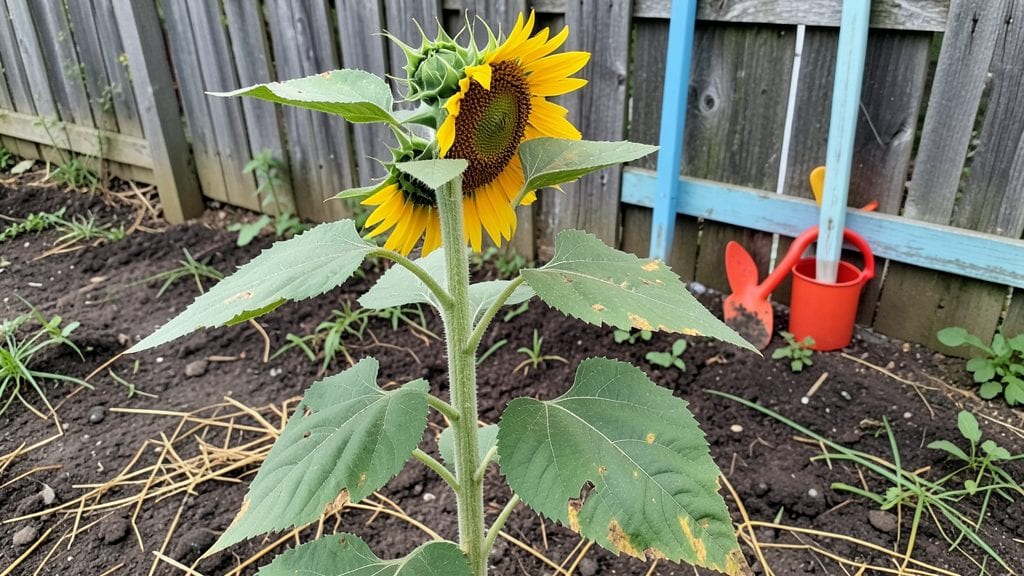
A children's garden isn't just about dirt and plants—it's about creating a space where little hands can explore, discover, and grow alongside nature. 🌱 I designed mine after watching my nephew press flowers into his coloring books, and now it's the one place he begs to visit every weekend.
The key is balancing safety with sensory magic: plants that smell like candy, textures that invite touch, and colors that spark joy.
Start with non-toxic plants like sunflowers (edible petals!), lamb's ear (soft as a cloud), and lavender (calming and fragrant). Add a mini water feature with rocks for climbing, or a sand pit with buried "treasures" like smooth stones and pinecones.
The best part? Kids love helping—let them plant seeds in biodegradable pots or build a bug hotel from sticks and leaves. Low-maintenance doesn't mean boring; think drought-tolerant succulents and fast-growing herbs they can snip for cooking.
By summer, you'll have a space where kids learn science without realizing it—counting ladybugs, tracking bean growth, or naming clouds through a sun shade. The garden becomes their classroom, playground, and canvas.
My nephew now "interviews" the plants for his podcast, and the neighbors' kids all want to visit. The real magic? Watching them connect with nature in ways screens never could.
Works for backyards, balconies, or even a sunny windowsill. The only rule? Let them lead—where their curiosity takes you is where the best lessons grow. Ready to plant some memories?
📚 In This Guide
- What you need
- Instructions
- Tips and common mistakes
- Wrapping up and next steps
What you need
- ● Sensory-Friendly Plants (5-10 varieties): Soft-textured plants (e.g., lamb’s ear, dusty miller) – 3-5 plants
- ● Fragrant herbs (e.g., lavender, mint, basil) – 2-3 plants
- ● Edible, non-toxic plants (e.g., strawberries, cherry tomatoes, sunflowers) – 3-5 plants
- ● Crunchy or textured plants (e.g., ferns, ornamental grasses) – 2-3 plants
- ● Safe Gardening Tools: Child-sized trowel (plastic or wood) – 1-2
- ● Kid-friendly pruners (blunt tips) – 1
- ● Small hand shovel – 1
- ● Gloves (cotton or nitrile) – 2-3 pairs
- ● Soil & Containers: Potting mix (organic, pesticide-free) – 5-10 gallons
- ● Raised garden beds or large containers (minimum 12" deep) – 2-4
- ● Drainage trays (if using containers) – 1 per container
- ● Watering Supplies: Watering can with a long spout – 1
- ○ Hose with adjustable nozzle (optional) – 1
- ● Decorative rocks or pebbles (for sensory paths) – 1-2 bags
- ● Painted garden markers (non-toxic) – 5-10
- ● Mini chalkboard or whiteboard for planting logs – 1
- ● Bug hotel or butterfly feeder (for eco-education) – 1
- ● Solar-powered garden lights (safe for kids) – 2-4
- ● Sunlight access: At least 4-6 hours of sunlight daily (adjust plants based on shade tolerance).
- ● Safe, non-toxic mulch (e.g., straw or wood chips) – 1-2 bags.
- ● First-aid kit (for minor scrapes or stings).
- ● Adult supervision for younger children (especially with tools).
Step-by-step instructions for creating a safe, sensory-friendly children's garden
Let's build a garden where little hands can explore safely and discover nature's wonders.
🌱 Step 1: Choose a Sunny, Soft-Surfaced Spot
Pick a location with at least 6 hours of sunlight daily—most sensory plants thrive with plenty of light. Avoid areas with hard surfaces like concrete; instead, opt for grass, mulch, or sand to cushion falls. I like to mark the space with a simple rope outline so kids can visualize the garden's shape before we start planting.
Check the area for sharp rocks or debris—remove anything that could hurt small hands. If your space has uneven ground, level it with a rake before adding soil. Kids will love helping with this part, especially if you let them "test" the surface by jumping (safely!) to feel how soft it is.
🪴 Step 2: Prepare the Soil with Gentle Amendments
Spread a 2-inch layer of compost over the entire area to enrich the soil naturally. This gives plants the nutrients they need while keeping the soil loose and easy for little fingers to dig in. Mix the compost into the top 6 inches of soil using a garden fork—break up any clumps so the soil is soft and crumbly.
Here's the thing—kids love getting their hands dirty, but they also love instant gratification. If your soil is heavy clay or very sandy, blend in a small amount of coconut coir or peat moss to improve drainage. Just a handful per square foot works—no need to overdo it. Once mixed, pat the soil down lightly so it's firm enough to hold plants but still easy for tiny hands to work with.
🌿 Step 3: Plant Safe, Sensory-Rich Plants
Start with 4-6 plants spaced about 12-18 inches apart so kids can reach them easily. Good choices include sunflowers (for tall fun), lavender (fragrant and soft), mint (crushable leaves), and marigolds (bright colors and pest-repelling). Plant seeds or small starts at the depth recommended on the packet—usually twice the seed's width.
Let the kids help with planting! Give them a small trowel and a cup of soil to fill their own "planting holes." They'll love watching seeds disappear into the earth and watering them gently afterward. If you're planting from seed, mark the spots with colorful sticks or stones so kids can track progress over time.
💧 Step 4: Add Watering and Sensory Stations
Set up a small watering can or a 3-gallon bucket with a spout nearby so kids can water the plants themselves. Teach them to water at the base of the plant (not the leaves) and to stop when the soil looks damp but not soggy. You'll see their confidence grow as they learn this simple routine—literally and figuratively!
Add sensory elements like a small patch of soft moss or a textured bark mulch path between plants. Kids love exploring different textures, and these additions make the garden more engaging. Place a few large, flat stones around the garden too—kids can use them as stepping stones or even little "plant benches" to sit and observe their growing friends.
✂️ Step 5: Create a Maintenance Routine with Kids
Teach children to check the soil moisture by touching it—if it feels dry 1 inch below the surface, it's time to water. Let them pull a few weeds (with supervision) to learn how plants grow. You'll notice their pride when they see their efforts make the garden thrive. Set a weekly "garden check" time where they can measure plant growth with a ruler or count new leaves.
Here's where it gets fun—add a simple journal or chart where kids can draw or stick leaves they've collected. Label each plant with a picture or word so they learn names as they grow. Over time, they'll develop a real connection to the garden and understand how their care makes a difference. This routine turns chores into discoveries and builds responsibility in a way that feels like play.
Tips & tricks for perfect children's garden creation
A few simple strategies that'll make your sensory-friendly garden a hit with both kids and parents.
The Sunlight Secret: Those 6 hours of sunlight are non-negotiable for most sensory plants. I've found that morning sun (east-facing) works best for lavender and mint, while sunflowers and marigolds can handle afternoon sun too. If your space only gets partial sun, consider shade-tolerant options like creeping thyme or nasturtiums—they're still safe and sensory-rich!
Soil Prep Pro Tip: When mixing that 2-inch compost layer into the top 6 inches of soil, think "fluffy, not packed." Kids' hands need to work easily, so break up any clumps completely. Pro tip: Add a handful of sand to heavy clay soil to improve drainage—it makes the soil easier for little fingers to dig in without getting messy.
Plant Spacing Strategy: Those 12-18 inch spacings between your 4-6 plants might seem generous, but they're crucial. Kids will want to reach every plant, and proper spacing prevents overcrowding that can lead to disease. For sunflowers, you can actually space them a bit closer (10-12 inches) since they grow tall and won't compete for space at the base.
Sensory Station Upgrade: Don't stop at just the plants! Add a small patch of lamb's ear (soft as a cloud) or a textured vine like sweet potato vine. These extras make the garden more engaging without adding complexity. I like to place a few smooth river rocks near the plants too—they become instant "plant benches" where kids can sit and observe their growing friends.
Pro Tips for Garden For Children'S
- A few simple strategies that'll make your sensory-friendly garden a hit with both kids and parents.
- The Sunlight Secret: Those 6 hours of sunlight are non-negotiable for most sensory plants.
- Soil Prep Pro Tip: When mixing that 2-inch compost layer into the top 6 inches of soil, think "fluffy, not packed."
Frequently asked questions
about creating a safe, sensory-friendly garden for kids—because every parent wants a space that’s fun, educational, and low-stress!What are the safest plants to include for toddlers and young kids?
Opt for non-toxic, soft-textured plants like sunflowers, lavender, or strawberries. Avoid anything with thorns (e.g., roses) or milky sap (e.g., poinsettias). Always double-check with the ASPCA’s toxic plant list—safety first!
How long does it take to set up a kid-friendly garden?
That depends! A simple container garden with herbs or flowers can be ready in 1–2 weekends. For a full sensory garden with paths and seating, plan 4–6 weeks (accounting for soil prep, planting, and curing). Involve kids in small tasks to speed things up!
Can I make this garden budget-friendly?
Start with free/cheap materials: repurposed containers (old buckets, tires), seeds from grocery stores, and mulch from yard waste. Focus on low-maintenance plants like mint (grows wild!) or marigolds (deters pests naturally).
What if my child has allergies or sensitivities?
Stick to hypoallergenic plants like basil, chamomile, or zinnias—they’re gentle on skin and lungs. Avoid grasses (e.g., ornamental wheat) or strong-scented plants (e.g., eucalyptus). Test small patches first and monitor reactions closely.
How do I keep the garden safe during rain or pests?
Use raised beds to prevent muddy play areas, and cover soil with organic mulch (straw, wood chips) to deter bugs. For pests, try neem oil spray (kid-safe when dry) or companion planting (e.g., marigolds + tomatoes). Always supervise kids near water!
What if my space is tiny (balcony, patio, or apartment)?
No problem! Vertical gardens (wall-mounted planters), hanging baskets, or even a window sill herb garden work perfectly. Choose dwarf varieties (e.g., bush beans, cherry tomatoes) and let kids decorate pots with paint or stickers!
Wrapping up and next steps
Creating a garden for children’s play is a wonderful way to blend safety, sensory exploration, and joy—while giving little ones a space to connect with nature! 🌱 From soft textures like lamb’s ear to fragrant lavender and edible strawberries, every plant can spark curiosity and growth.
The key is to start small, prioritize safety, and let their imaginations lead the way.
Ready to roll up your sleeves? Pick 2-3 plants from our list, gather your tools, and let the kids help dig, plant, and water! Watch their smiles grow as much as your garden does—happy planting! 🌟