Companion Plants
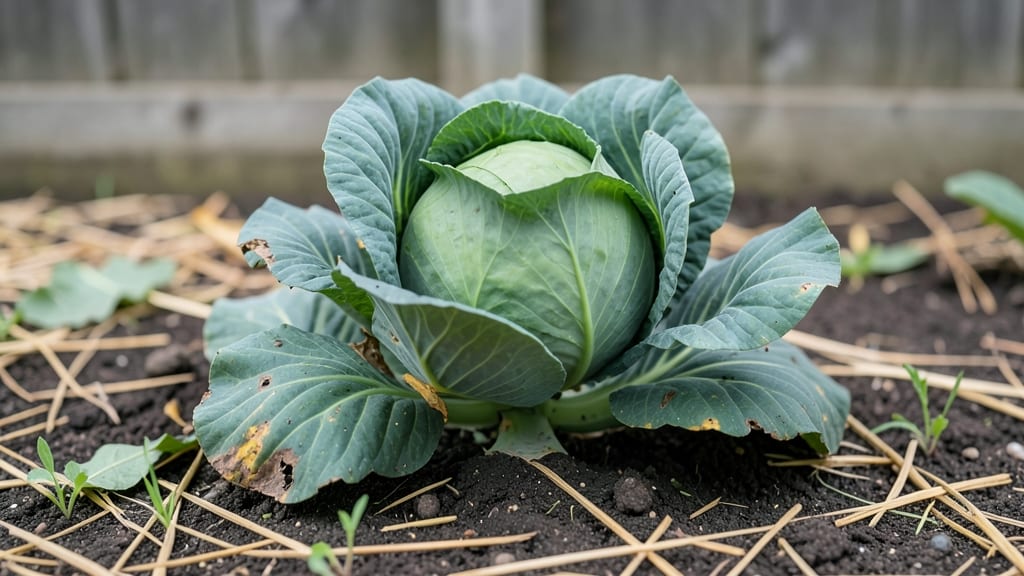
Transforming your garden cabbage plants into a spring-to-fall powerhouse just takes a few smart tricks—like well-draining soil and a planting timeline that dodges the dog days. 🌱 Trust me, cabbage will revolt if you ignore the heat. wilting, so timing and shade matter more than most guides admit.
The payoff? A steady supply of crisp heads for salads, sauerkraut, or stir-fries that lasts months longer than store-bought ever could.
You’ll need a spot with 6+ hours of morning sun and soil that drains well—think 3-4 inches of compost mixed into the top foot of dirt. Cabbage thrives when it’s cool, so late summer transplants or early spring starts give you the edge.
Overcrowding is the enemy: space plants 18-24 inches apart to avoid disease and let them grow into sturdy heads. The secret weapon? A light row cover during hot spells to keep leaves from bolting.
Watering is where most gardeners trip up—too much and you get rot, too little and heads split. Aim for 1-1.5 inches per week, delivered at the base, not the leaves. When heads reach 3-4 inches wide, they’re ready for harvest.
Pull them gently by the stem, and you’ll get 3-4 weeks of fresh cabbage from each plant if you succession-plant every 2-3 weeks. The first harvest is always the sweetest, but the real win is knowing you’ve got greens on demand.
Pests? Aphids and cabbage worms are the usual troublemakers, but neem oil or row covers handle them better than chemicals ever could. And here’s the pro tip: Save the outer leaves for soups or kimchi—they’re still tasty even after the head’s gone.
This method works in containers too, making it perfect for small spaces. Ready to grow cabbage that outlasts the grocery store?
📚 In This Guide
- What you need
- Instructions
- Tips and common mistakes
- Wrapping up and next steps
What you need
- ● Cabbage seeds or seedlings: Choose disease-resistant varieties like Golden Acre or Red Express. Start with 10–20 seeds (or 5–10 seedlings) for a small garden.
- ● Well-draining soil: Aim for 6.0–7.0 pH. Mix compost or aged manure (1–2 cups per planting hole) for nutrient-rich soil.
- ● Fertilizer: Use a balanced 10-10-10 or organic fertilizer (like fish emulsion) to boost growth. Apply every 3–4 weeks.
- ● Watering can or hose: A gentle spray nozzle prevents soil erosion around young plants.
- ● Mulch: Straw or shredded leaves (2–3 inches thick) retain moisture and deter weeds.
- ● Garden trowel or transplanting spade for digging holes (ideal depth: 1–2 inches deep for seeds, 6–8 inches for seedlings).
- ○ Gloves (optional but recommended for handling soil and pests).
- ● Pruning shears for trimming yellow leaves or harvesting outer leaves.
- ○ Row covers or netting (optional, to protect from pests like cabbage moths).
- ● Sunlight: Full sun (6+ hours daily) for optimal growth.
- ● Spacing: Seedlings need 18–24 inches apart; seeds require thinning to 12–18 inches.
- ● Temperature: Ideal range: 60–70°F. Avoid planting in heatwaves (>85°F).
- ● Patience: Cabbage takes 70–100 days to mature—plan ahead!
Step-by-Step instructions for planting and cultivating garden cabbage
Here's how to grow cabbage with confidence—whether you're starting from seedlings or seeds.
🌱 Step 1: Prepare the Soil and Planting Site
Cabbage thrives in rich, well-draining soil with a pH between 6.0 and 7.0. Work in 2-3 inches of compost into the top 6-8 inches of soil to improve fertility and structure. Avoid planting where brassicas (like broccoli or kale) grew last season—this prevents soil-borne diseases from taking hold.
Choose a location with full sun (6+ hours daily) and good air circulation. If your soil is heavy clay, mix in 1 part perlite or coarse sand per 3 parts soil to loosen it. Cabbage roots need room to spread, so avoid compacted or waterlogged areas. A simple soil test kit will confirm your pH before planting—adjust with lime if needed.
🌱 Step 2: Plant Seedlings or Direct-Sow Seeds
For seedlings, transplant them into the garden after the last frost when soil reaches at least 50°F. Space 18-24 inches apart in rows 2-3 feet apart to allow airflow and reduce disease risk. Dig a hole slightly deeper than the root ball, place the seedling in, and firm soil around it—don’t bury the stem deeper than it was in the pot. Water immediately to settle the soil.
If starting from seed, sow ¼ inch deep in early spring or late summer (for fall harvests). Thin seedlings to 18-24 inches apart once they develop 2-3 true leaves—this prevents overcrowding, which leads to small, misshapen heads. Use a small knife or scissors to snip unwanted seedlings at soil level, leaving the strongest one in each spot.
💧 Step 3: Water and Fertilize for Healthy Growth
Keep the soil evenly moist but not soggy—cabbage needs 1-1.5 inches of water weekly, more during hot, dry spells. Water at the base (not overhead) to prevent fungal diseases like downy mildew. A drip irrigation system or soaker hose works best, delivering water slowly to the roots without wetting the leaves.
Feed plants with a balanced fertilizer (10-10-10) every 3-4 weeks starting when seedlings are 4-6 inches tall. Switch to a low-nitrogen, high-potassium fertilizer (5-10-10) when heads begin forming to encourage strong root development and disease resistance. Avoid over-fertilizing—too much nitrogen leads to leafy growth at the expense of the head.
☀️ Step 4: Monitor for Pests and Adjust Care
Watch for cabbage worms, aphids, or flea beetles—handpick larger pests or use row covers to protect young plants. Apply neem oil or insecticidal soap as needed, focusing on the undersides of leaves where pests hide. Rotate crops annually to disrupt pest life cycles and reduce infestations.
If heads start to form but remain small or loose, increase sunlight exposure—cabbage needs 6+ hours of direct sun daily for proper head development. If your climate is hot, provide afternoon shade in summer to prevent bolting (premature flowering). Mulch with 2-3 inches of straw to retain moisture, suppress weeds, and keep soil temperatures stable.
⏰ Step 5: Harvest at Peak Maturity
Harvest cabbage when heads are firm, compact, and reach their full size—typically 50-80 days after transplanting (varies by variety). Use a sharp knife to cut the head cleanly, leaving 1-2 inches of stem attached. For year-round harvests, plant successive crops every 2-3 weeks in spring and again in late summer for fall/winter production.
Store harvested cabbage in a cool (32-40°F), humid environment for up to 2 weeks. For longer storage, ferment or pickle whole heads—this preserves flavor and extends shelf life. If leaves start yellowing before harvest, the plant may be bolting due to heat stress or insufficient water. Adjust care immediately to salvage the crop.
Tips & tricks for perfect garden cabbage growth
Growing garden cabbage successfully comes down to these key strategies that prevent common pitfalls and maximize your harvest.
Soil Preparation Secret: Beyond the basic compost recommendation, I recommend adding a handful of egg shells (crushed) to each planting hole for extra calcium—this prevents the dreaded "head splitting" that ruins so many cabbages. The 6.0-7.0 pH range mentioned in Step 1 is critical, but I also test for micronutrients like boron and sulfur, which cabbage craves for head formation. If your soil tests low, a balanced organic micronutrient fertilizer at planting time makes all the difference.
Timing is Everything: The 50°F soil temperature threshold in Step 2 is your absolute minimum, but I wait until soil reaches 55°F for transplanting seedlings—this extra warmth helps roots establish faster. For direct sowing, I plant seeds when nighttime temperatures consistently stay above 45°F, which gives seedlings a better chance against cold snaps. Planting too early can stunt growth before heads even form.
Watering Wisdom: That 1-1.5 inches weekly guideline in Step 3 works perfectly, but I've found that morning watering (before 9am) prevents fungal issues better than evening watering. The key is consistency—let the top 1 inch of soil dry out slightly between waterings to prevent root rot. I use a moisture meter to check, as visual cues can be misleading in clay soils. During head formation, I increase to 2 inches weekly to support that dense growth.
Pest Prevention Pro Tip: While neem oil works well, I've had better success with a preventive spray of garlic-chili mixture (blended garlic, chili peppers, and water) applied every 2 weeks starting at planting. The 2-3 inches of straw mulch mentioned in Step 4 also deters flea beetles by making the soil less accessible to them. For severe infestations, I've found that floating row covers work better than neem oil alone for young plants.
Pro Tips for Garden Cabbage Plants
- Growing garden cabbage successfully comes down to these key strategies that prevent common pitfalls and maximize your harvest.
- The 6.0-7.0 pH range mentioned in Step 1 is critical, but I also test for micronutrients like boron and sulfur, which cabbage craves for head formation.
- Timing is Everything: The 50°F soil temperature threshold in Step 2 is your absolute minimum, but I wait until soil reaches 55°F for transplanting seedlings—this extra warmth helps roots establish faster.
Frequently asked questions
Got questions about growing garden cabbage plants?
You’re not alone! Here are some of the most common queries—plus quick, actionable answers to keep your greens thriving.
When is the best time to plant garden cabbage?
Cabbage thrives in cool weather, so plant early spring (4-6 weeks before last frost) or late summer (8-10 weeks before first frost). Avoid extreme heat—temperatures above 80°F (27°C) can stress plants. For year-round harvests, stagger plantings every 2-3 weeks.
What pests or diseases should I watch for?
Cabbage worms, aphids, and cabbage loopers are common pests. Use row covers or neem oil for organic control. Watch for clubroot (soil-borne) and downy mildew—improve drainage and rotate crops to prevent them. Healthy soil = happier plants!
How long does it take for garden cabbage to mature?
Most varieties mature in 60-100 days, depending on the type:
- Green cabbage: 70-90 days
- Red/purple cabbage: 80-100 days
- Baby cabbage: 40-60 days
Can I grow cabbage in containers?
Choose dwarf or mini varieties (like ‘Miniature White’ or ‘Golden Acre’). Use a 5-gallon pot with well-draining soil, place in full sun, and fertilize regularly. Containers work great for balconies or small spaces—just ensure they’re at least 12 inches deep.
How do I know when cabbage is ready to harvest?
Harvest when heads feel firm and heavy for their size, usually 2-3 weeks before the first frost. For baby cabbage, pick when heads are 6-8 inches wide. Use a sharp knife to cut stems—leave a few outer leaves intact to protect the core. Pro tip: Harvest in the morning for the crispest texture!
Wrapping up and next steps
Growing your own garden cabbage plants is a rewarding journey that brings fresh, crisp greens straight to your table. With the right companion plants, soil prep, and care, you can enjoy a bountiful harvest year-round!
Whether you're a seasoned gardener or just starting, these tips will help you cultivate healthy, thriving cabbages—so don’t wait to get your hands dirty!
Ready to take the next step? Start small—pick one variety or technique to try this season, and let your garden flourish. Happy planting! 🌱✨