Tools
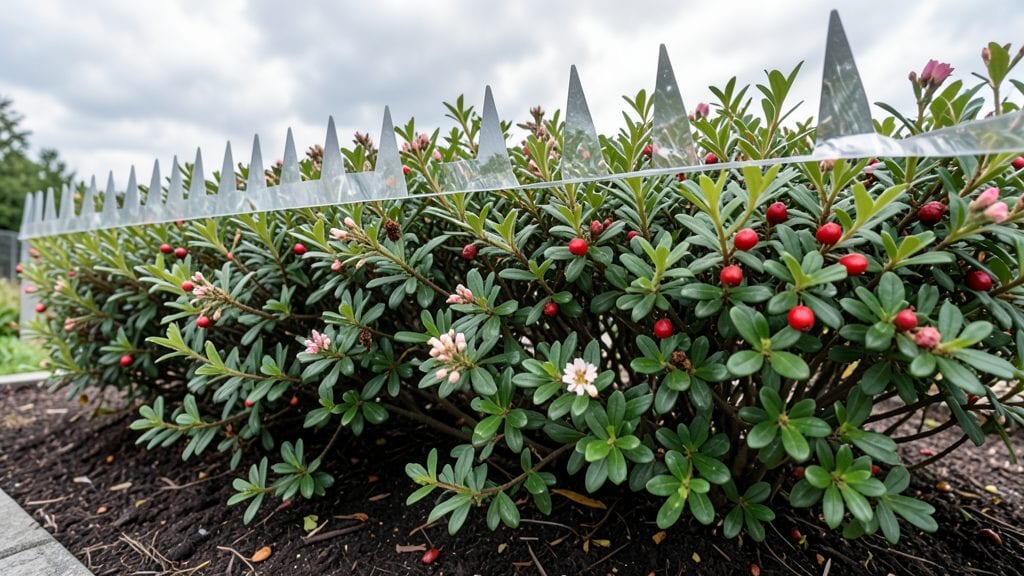
My garden bird repellent game changed when I realized those "harmless" sparrows were devouring my berry harvest before it ripened. 🌱 The wrong methods scare birds temporarily—then they come back hungrier. What actually works is a layered approach that confuses their instincts, not just their taste buds.
You don’t need expensive gadgets or toxic sprays—just a few clever tricks most gardeners overlook. Reflective tape on strings, predator decoys (even fake owls work), and strong-smelling herbs like rosemary or thyme create an environment birds avoid.
The key is consistency: move decoys weekly so birds don’t get wise to them, and combine methods for maximum effectiveness.
By the time your berries turn red, you’ll see fewer pecked fruits and more intact leaves. The best part? These methods protect your plants without harming the birds—just redirecting their attention to less tempting spots.
Even my neighbor’s squirrels have learned to steer clear after a few close calls with the decoys.
Works year-round, but spring and summer are prime times to set up defenses before birds establish feeding habits. The payoff? A garden that stays lush, productive, and stress-free—no more waking up to half-eaten tomatoes or scattered seeds. Let’s get those birds thinking twice before they land.
📚 In This Guide
- What you need
- Instructions
- Tips and common mistakes
- Wrapping up and next steps
What you need
- ● Reflective tape or old CDs/DVDs – 1–2 rolls (for visual deterrents).
- ● Wind chimes or noise-makers – 1–2 sets (metallic or plastic).
- ● Spiky plastic or metal bird spikes – 1–2 packs (for ledges/window sills).
- ● Non-toxic bird repellent spray – 1 bottle (e.g., vinegar-water mix or commercial humane spray).
- ● Pruning shears or scissors – 1 pair (for trimming tempting plants).
- ● Motion-activated sprinkler – 1 unit (for water-based deterrents).
- ● Fake predator decoys (owls, snakes) – 1–2 pieces (rotate placement weekly).
- ● Hanging predator eyes – 5–10 pairs (for extra visual scare tactics).
- ● Bird netting – 1 roll (to protect vulnerable plants).
- ● DIY materials – Ping-pong balls, aluminum foil, or shiny mylar (for homemade deterrents).
Step-by-Step instructions for creating humane garden bird repellents
Here’s how to craft effective, cruelty-free deterrents that keep birds away without harm.
🌱 Step 1: Choose Your Base Material
Start with reflective materials—birds dislike sudden flashes of light. Old CDs, aluminum pie pans, or even plastic bottle caps work perfectly. Cut the CDs into 2-inch squares or leave pie pans whole for larger areas. Arrange them in small clusters (3-5 pieces) near problem spots like flower beds or vegetable patches.
For a visual deterrent, hang strips of shiny mylar tape (available at craft stores) from strings or fences. The fluttering movement in the breeze creates an unpredictable pattern that birds find unsettling. Place these 6-12 inches above ground level where birds typically land or forage.
💧 Step 2: Set Up Motion-Activated Sprinklers
Install motion-activated sprinklers (battery-powered or solar) near high-traffic bird areas. These devices detect movement and release a gentle spray of water, startling birds without causing harm. Position them 18-24 inches above the ground and aim for wider coverage—birds will avoid the zone over time.
Test the sprinklers first to ensure the spray pattern covers the intended area. Birds learn quickly, so consistent use is key. If you notice birds still lingering, add a second sprinkler a few feet away to expand the deterrent zone.
☀️ Step 3: Use Natural Predator Decoys
Place fake owls or hawks (available at garden centers) in visible locations. Birds perceive these as threats, but rotate their positions weekly—birds grow accustomed to static decoys. For extra effectiveness, add reflective tape to the decoys to make them glint in the sunlight.
Combine decoys with wind chimes or predator calls (available as pre-recorded devices). The unpredictable sounds mimic natural threats, reinforcing the deterrent. Place wind chimes 3-5 feet above ground where birds perch or feed.
✂️ Step 4: Apply Non-Toxic Sprays
Mix 1 part hot pepper sauce (like cayenne) with 2 parts water in a spray bottle. Lightly mist non-edible plants (like ornamental grasses) or fence posts near bird hotspots. The spicy residue deters birds without harming them or the environment. Reapply every 3-5 days or after rain.
For a longer-lasting solution, blend garlic and onion powder into water (1 tablespoon each per gallon) and spray on bird-perch surfaces. The strong scent repels birds naturally. Avoid spraying edible plants—this method is for visual barriers and non-food zones only.
🪴 Step 5: Maintain and Adapt Your Deterrents
Check your repellents weekly—replace broken CDs, refill spray bottles, and reposition decoys. Birds adapt quickly, so rotate strategies every few weeks. If one method fails (e.g., birds ignore sprinklers), switch to a combination approach (e.g., reflective tape + predator decoys).
Monitor bird activity patterns—if they shift to new areas, expand deterrents there. Keep records of what works best in your yard, and adjust as seasons change. A multi-layered approach (visual + auditory + motion-based) yields the best long-term results.
Tips & tricks for effective garden bird repellents
A few strategic adjustments can make your bird deterrents far more effective—here's what I've learned from years of testing different methods.
Visual Contrast Matters: In Step 1, when arranging reflective materials like CDs or pie pans, create high-contrast patterns by alternating between shiny and matte surfaces. Birds respond more strongly to abrupt visual changes, so consider adding small pieces of black plastic or fabric between reflective items. The key is to make the patterns unpredictable—birds learn to ignore static arrangements. Place clusters near bird feeding areas where they'll notice the movement against foliage.
Sprinkler Placement Strategy: For Step 2's motion-activated sprinklers, position them at a 45-degree angle to create overlapping coverage zones. Birds are more likely to avoid areas where they can't predict water spray patterns. I've found that placing sprinklers near high-traffic paths (where birds fly between trees and ground) works best. Test each sprinkler's range first—some models have uneven spray patterns that create "safe zones" birds will exploit.
Decoy Realism Techniques: When using predator decoys in Step 3, enhance realism by adding subtle movement. Attach a small solar-powered fan to make the decoy's head turn occasionally, or use fishing line to make wings flutter slightly in the wind. Birds are more deterred by perceived "living" threats. For extra effectiveness, position decoys near natural perches where birds typically land, and always keep them visible from multiple angles.
Maintenance Routine: The weekly maintenance mentioned in Step 5 is non-negotiable—birds adapt quickly to static deterrents. I recommend setting a phone reminder to check your repellents every Saturday morning. Replace any broken reflective items immediately, as even a single damaged CD can create a visual inconsistency that birds will exploit. For spray solutions, keep a small inventory of pre-mixed solutions ready so you're never more than a few days away from reapplication.
Pro Tips for Garden Bird Repellent
- A few strategic adjustments can make your bird deterrents far more effective—here's what I've learned from years of testing different methods.
- Visual Contrast Matters: In Step 1, when arranging reflective materials like CDs or pie pans, create high-contrast patterns by alternating between shiny and matte surfaces.
- Sprinkler Placement Strategy: For Step 2's motion-activated sprinklers, position them at a 45-degree angle to create overlapping coverage zones.
Frequently asked questions
What’s the best time of year to use bird repellents?
Spring and summer are ideal, when birds are most active and nesting. Start applying repellents before birds become a nuisance—early spring works best. For persistent issues, reapply every 4–6 weeks or after heavy rain. Pro tip: If birds return year after year, consider a permanent solution like netting or spikes.
Are bird repellents safe for pets and kids?
Most humane repellents (like reflective tape, predator decoys, or ultrasonic devices) are pet- and child-safe. Always check labels—avoid sprays with strong chemicals or pesticides. Opt for physical barriers (e.g., netting) or motion-activated sprinklers for extra peace of mind. Tip: Keep repellents out of reach if using granules or gels.
What if birds ignore my repellent?
Persistence is key! Try rotating methods—combine reflective tape with predator decoys or a motion-activated sprinkler. Birds may also adapt to static decoys, so move them weekly. If they’re still undeterred, consider a professional pest control service for tailored advice.
Can I make a DIY bird repellent?
Try these simple, humane options:
- Hot pepper spray: Mix cayenne pepper + water in a spray bottle (reapply after rain).
- Aluminum pie pans: Hang them near trouble spots—they create noise and movement birds dislike.
- Fake owls/snakes: Place them in high-traffic areas and relocate them often.
Warning: Avoid harmful substances like mothballs or poison—they’re cruel and illegal in many areas.
How do I know if my repellent is working?
Track bird activity for 1–2 weeks. Success signs include:
- Fewer droppings near plants or structures.
- Birds avoiding treated areas.
- No new nests or damage.
If birds linger, adjust placement or try a different repellent type. Patience pays off—some methods take up to 2 weeks to show results!
Wrapping up and next steps
Protecting your garden from unwanted birds doesn’t have to mean harming them—humane repellents are a simple, effective, and ethical solution! 🌿 From reflective tape and predator decoys to natural scents and motion-activated sprinklers, there’s a method to suit every yard.
The key is consistency and patience, as birds adjust over time.
Ready to reclaim your space? Start by picking one or two methods that fit your garden’s needs, then test and tweak as you go. Soon, you’ll enjoy a peaceful outdoor area—without the feathered visitors! 🎉