Picking
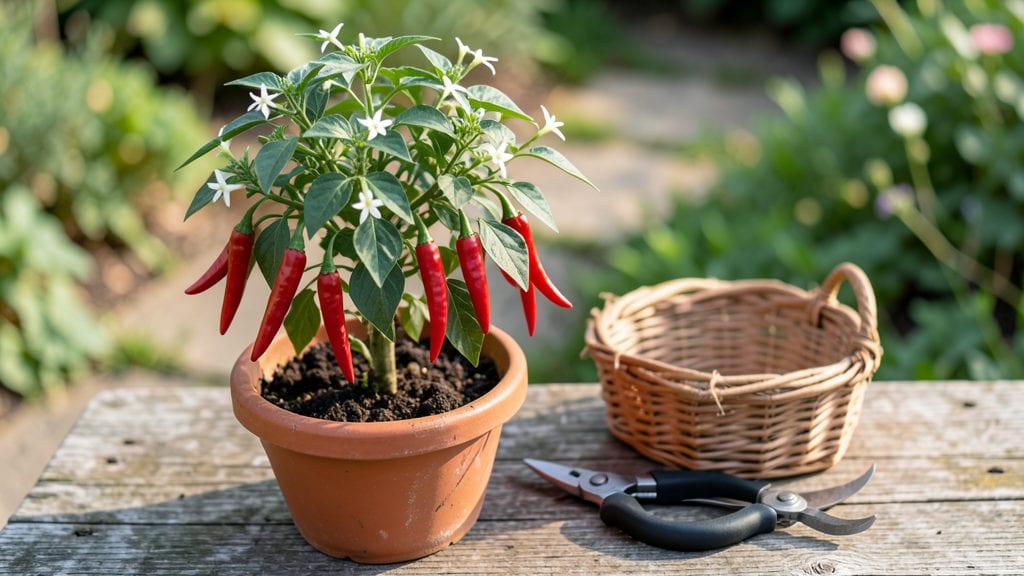
Growing cayenne peppers from seed to harvest in just 90 days is one of the fastest ways to turn your garden into a spice factory. 🌶️ I used to think hot peppers needed a greenhouse—until my first batch of cayennes grew taller than me in my backyard last summer, with enough heat to fill jars for the whole winter.
The secret starts with the right soil mix: well-draining, slightly acidic, and packed with compost. Cayennes love warmth, so wait until after the last frost to plant, and give them full sun (at least 6-8 hours daily).
Water consistently but avoid soggy soil—they hate wet feet. Most beginners overwater, which leads to blossom-end rot or stunted growth, so let the top inch dry between waterings.
By mid-summer, you'll be pinching off early flowers to boost plant strength, then letting them go wild for harvest. A single plant can produce hundreds of peppers, and the more you pick, the more they produce.
The heat builds as they ripen—green for mild kick, red for full fire. My neighbors now ask for "that cayenne dust" I make from dried peppers, and I never have to buy hot sauce again.
Works in containers too—just use a 5-gallon pot for each plant. Whether you're growing for heat lovers or just love the challenge, this method delivers foolproof results even in small spaces. Let's get those seeds started!
📚 In This Guide
- What you need
- Instructions
- Tips and common mistakes
- Wrapping up and next steps
What you need
- ● Cayenne pepper seeds: 5–10 seeds (or 2–3 starter plants from a nursery)
- ● Containers or garden bed: For containers: 5–10-gallon pots with drainage holes (1 per plant)
- ● For garden beds: Well-draining soil in a sunny spot (6+ hours of sunlight daily)
- ● Potting mix: High-quality, well-draining soil blend (avoid heavy clay)
- ● Fertilizer: Balanced organic fertilizer (10-10-10) or compost
- ● Watering can or hose: With a gentle spray nozzle
- ● Pruning shears: Sharp and sterilized for trimming
- ○ Support stakes (optional but helpful): 2–3 ft tall for taller varieties
- ● Mulch (straw or shredded leaves) to retain moisture
- ● Cayenne-specific fertilizer (high in phosphorus for fruiting)
- ● Garden gloves (to protect hands from spicy sap!)
- ● Row covers (for early-season frost protection)
- ● pH test kit (ideal soil pH: 6.0–6.8)
Step-by-step instructions for growing cayenne peppers at home
Here's how to grow fiery cayenne peppers from seed to harvest in just 90 days.
🌱 Step 1: Start Seeds Indoors 8-10 Weeks Before Last Frost
Fill your seed-starting trays with moistened seed-starting mix—this ensures even water distribution without compacting the soil. Press the mix down gently to remove air pockets, then create small ¼-inch-deep holes using your finger or a pencil. Place 2-3 cayenne seeds in each hole, spacing them 1 inch apart—this gives you backup plants if some fail to germinate.
Cover the seeds lightly with additional mix, then mist the surface with water until it feels evenly damp. Place the trays in a warm location (75-85°F)—a seedling heat mat works wonders here. Keep the soil consistently moist but never soggy; you'll know it's right when the surface looks slightly damp but doesn't glisten. Germination typically takes 7-14 days, so be patient.
☀️ Step 2: Provide Bright Light and Prevent Leggy Growth
Once sprouts emerge, move them to a sunny windowsill or under grow lights immediately. Cayenne seedlings need 14-16 hours of light daily to prevent leggy, weak growth. If using a grow light, position it 2-4 inches above the seedlings and raise it as they grow. You'll notice strong seedlings have thick stems and dark green leaves spaced closely together.
Rotate the trays quarter-turn daily so plants grow straight instead of leaning toward the light. If leaves start touching the light, raise it immediately—burnt tips are a sign it's too close. After 4-6 weeks, when seedlings have 3-4 true leaves, they're ready for transplanting outdoors.
🪴 Step 3: Transplant Seedlings Outdoors After All Frost Risk Passes
Choose a sunny spot with well-draining soil—cayennes hate soggy roots. Harden off seedlings by placing them outside in partial shade for 1-2 hours the first day, gradually increasing time over 7-10 days. Plant seedlings 12-18 inches apart in rows 18-24 inches apart to allow airflow and prevent disease.
Dig holes slightly deeper than the seedling pots and loosen the roots gently before placing them in. Fill the holes with soil, firming lightly around the base, and water deeply. Mulch with 2-3 inches of organic mulch to retain moisture and suppress weeds. Avoid overwatering now—cayennes need 1 inch of water per week, but too much causes blossom-end rot.
✂️ Step 4: Prune and Fertilize for Maximum Heat Production
When plants reach 12-18 inches tall, pinch off the top set of leaves to encourage bushier growth. This redirects energy to fruit production instead of stem elongation. Use your balanced fertilizer every 4-6 weeks after transplanting, following label instructions. You'll see stronger stems and more flowers when the plants receive regular nutrients.
Remove any suckers (shoots growing in the leaf axils) to focus energy on fruit development. Deadhead spent flowers by pinching them off—this keeps the plant producing new blooms. If birds become a problem, cover plants with row covers or netting until peppers form.
🌿 Step 5: Harvest Cayennes When Fully Ripe for Maximum Heat
Harvest cayennes when they turn deep red, orange, or yellow, depending on the variety—this is when capsaicin peaks. Use pruning shears to cut stems ¼ inch above the fruit to avoid damaging the plant. Wear gloves if you're sensitive to capsaicin; the oils can irritate skin and eyes.
Store harvested peppers in a cool, dry place for up to 2 weeks or dry them in a dehydrator or oven at 135°F for 2-4 hours to preserve their heat. You'll know they're dry when the skins wrinkle and seeds rattle inside. Store dried peppers in an airtight container away from light for up to 6 months.
Tips & tricks for perfect cayenne pepper gardening
Growing cayenne peppers from seed to harvest takes patience and precision—but these pro tips will help you avoid common pitfalls and maximize your fiery yield.
Heat Matters: Cayenne seeds need consistent warmth (75-85°F) to germinate properly. If your home stays cooler, place seed-starting trays on a seedling heat mat or near a sunny window with a clear plastic dome to trap heat. I learned this the hard way—my first batch took 21 days to germinate because my kitchen was too chilly.
Light Strategy: Those 14-16 hours of daily light are non-negotiable for preventing leggy seedlings. If natural light isn't enough, invest in a basic LED grow light—it's worth the cost. Position it 2-4 inches above seedlings and adjust as they grow. I rotate my trays quarter-turn daily to prevent leaning, and it makes a noticeable difference in stem strength.
Transplant Timing: The 4-6 week mark for transplant readiness is crucial—wait until you see 3-4 true leaves, not just the initial seed leaves. Harden off gradually by moving seedlings to partial shade for just 1-2 hours the first day, then increase exposure. I've seen gardeners rush this step and end up with shocked plants that struggle to recover.
Drying Technique: When drying peppers at 135°F, check them every 30 minutes after the 2-hour mark. They're ready when skins wrinkle and seeds rattle—this preserves maximum capsaicin. I store dried peppers in small glass jars away from light to maintain their heat for up to 6 months. The difference between fresh and properly dried peppers is night and day!
Pro Tips for Cayenne Pepper Gardening
- Growing cayenne peppers from seed to harvest takes patience and precision—but these pro tips will help you avoid common pitfalls and maximize your fiery yield.
- Heat Matters: Cayenne seeds need consistent warmth (75-85°F) to germinate properly.
- Light Strategy: Those 14-16 hours of daily light are non-negotiable for preventing leggy seedlings.
Frequently asked questions
How long does it take for cayenne peppers to mature after transplanting?
Cayenne peppers typically take 60–90 days from transplanting to harvest, depending on your climate and variety. Start seeds indoors 8–10 weeks before the last frost for a summer-long spicy harvest. Patience pays off—those fiery pods won’t rush!
Can cayenne peppers survive cold weather? What’s the ideal temperature?
Cayennes are tropical plants and thrive in 70–85°F (21–29°C) during the day. They cannot tolerate frost—even a light freeze will kill them. Plant after all danger of frost has passed, or grow them in containers to move indoors when temps dip below 50°F (10°C).
Why aren’t my cayenne peppers turning red? Are they still edible?
Cayennes turn red when fully ripe, but green peppers are still edible—just milder! Lack of red color usually means insufficient sunlight (6+ hours/day), cool temps, or over-fertilizing with nitrogen. For deeper color, ensure full sun and balance your fertilizer with phosphorus and potassium.
What pests should I watch for, and how do I prevent them?
Common cayenne pests include aphids, spider mites, and hornworms. Prevent issues with neem oil sprays or introduce beneficial insects like ladybugs. For hornworms, handpick them (they’re big and green!) or use Bt (Bacillus thuringiensis) for organic control.
Can I save cayenne seeds for next year’s garden?
Let peppers fully ripen on the plant, then scoop out seeds, rinse, and dry them on a paper towel for 3–5 days. Store in a cool, dark place (like a sealed jar) for up to 2–3 years. Pro tip: Label your seeds—cayenne varieties can vary wildly in heat!
Wrapping up and next steps
Growing your own cayenne peppers is a rewarding journey that brings bold flavor, fiery heat, and a deep sense of accomplishment—all in just 90 days! Whether you’re a seasoned gardener or a curious beginner, these spicy little plants prove that big rewards come from small (but mighty) seeds. 🌶️✨
Ready to take the next step? Start by planting those seeds this week, and soon you’ll be harvesting peppers to spice up everything from salsas to homemade hot sauces. Don’t forget to share your progress—your fellow gardeners will love seeing (and tasting!) your fiery success!