Blooming
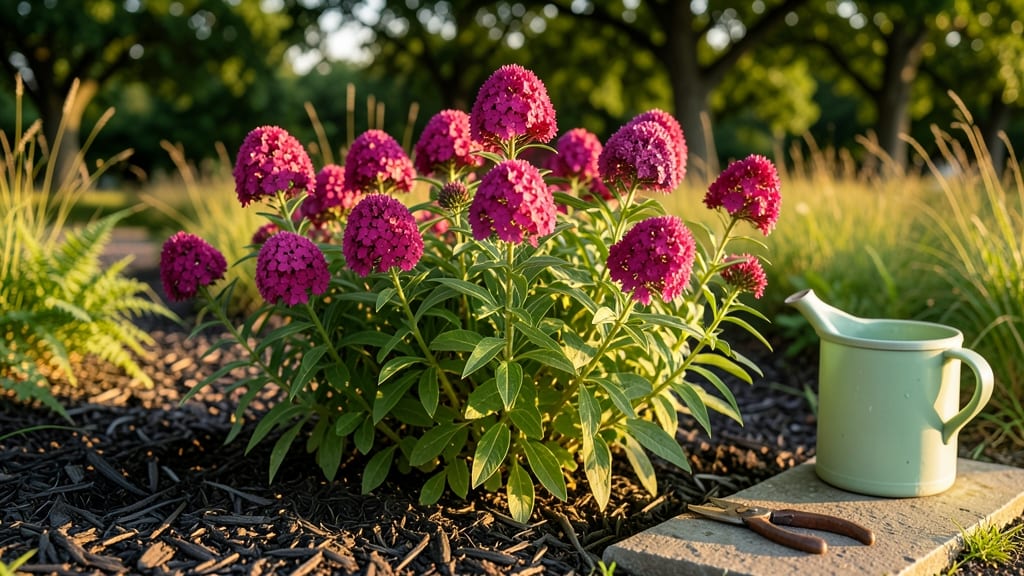
Garden phlox do bloom all summer, producing vibrant flowers in gradual waves from early summer through early fall, with their most abundant blooms appearing in July and August. Strategic deadheading keeps them flowering longer, while late-season types may even produce a second flush after light trimming.
These hardy perennials thrive on consistent blooming because they respond to seasonal cues like daylight length and temperature shifts. 🌸 The first flush appears when days start lengthening in spring, with each subsequent wave triggered by warm spells.
Tall garden phlox varieties often bloom first, followed by shorter border types—this staggered pattern creates continuous color. What’s fascinating is how their blooms open sequentially along each stem, giving them that classic layered look.
For the longest display, I focus on morning deadheading—removing spent blooms before they set seed—since this redirects the plant’s energy toward new flowers. In late summer, a light pruning of about one-third of the plant’s height can coax a second round of blooms from hardy varieties.
Just avoid cutting into old wood, as this can harm next year’s growth. The key is balance: too much pruning stunts future blooms, while neglect lets the plant focus on seed production instead.
💡 In This Article
- Phlox Bloom Cycle: Stages and Seasonal Variations
- Deadheading and Pruning for Longer Phlox Blooms
Phlox bloom cycle: stages and seasonal variations
Here's what's actually happening in your garden when phlox bloom: these perennials use a process called acropetal flowering, where buds open sequentially from the base of the stem upward.
This creates their signature layered look, with the lowest buds blooming first when temperatures consistently reach 60-65°F and daylight exceeds 14 hours. The plant's internal clock responds to these cues through a hormone called florigen, which triggers bloom formation in the buds.
Temperature plays a crucial role in their seasonal performance. Tall garden phlox varieties like 'David' typically bloom first in late June to early July when soil temperatures stabilize above 65°F.
Border phlox such as 'Nana' follow about 2-3 weeks later, while woodland types like Phlox divaricata often bloom in late spring to early summer under partial shade conditions.
The key factor is how quickly the plant transitions from vegetative growth to flowering—this depends on both temperature and the specific cultivar's genetic programming.
Daylight length is equally important. Phlox are long-day plants, meaning they need increasing daylight hours to trigger blooming. This is why their peak occurs in July-August when days are longest.
However, some late-season varieties can respond to short-day cues in late summer, producing a second flush when nights start cooling below 70°F. The intensity of sunlight also matters—full sun (6+ hours daily) produces more robust blooms, while partial shade extends flowering duration by reducing stress on the plants.
Soil moisture creates another critical variable. Phlox roots need consistent moisture to support their heavy flower production, but they hate soggy conditions. In my experience, maintaining 1-2 inches of soil moisture during bloom time prevents bud drop while supporting vigorous growth.
The trade-off is fascinating: too little water stresses the plant, while too much can lead to fungal issues that shorten the bloom cycle. Mulching with 2-3 inches of organic matter helps regulate moisture while keeping roots cool.
What most people don't realize is how different phlox types vary in their seasonal performance. Tall varieties often bloom first but may decline by mid-August without deadheading, while shorter border types can continue flowering into September or October in favorable conditions.
This staggered bloom pattern is why gardeners often plant multiple varieties together—they create continuous color from late spring through early fall. The secret is matching each type's requirements to your climate zone.
For example, in USDA Zone 5, I've seen 'Starfire' phlox bloom from June 15 to September 15 with proper care, while 'David' might finish by August 15. The difference comes down to their genetic adaptations—some varieties prioritize early, abundant blooming, while others focus on extended, moderate displays.
Understanding these patterns lets you plan your garden for maximum seasonal interest.