
Pests
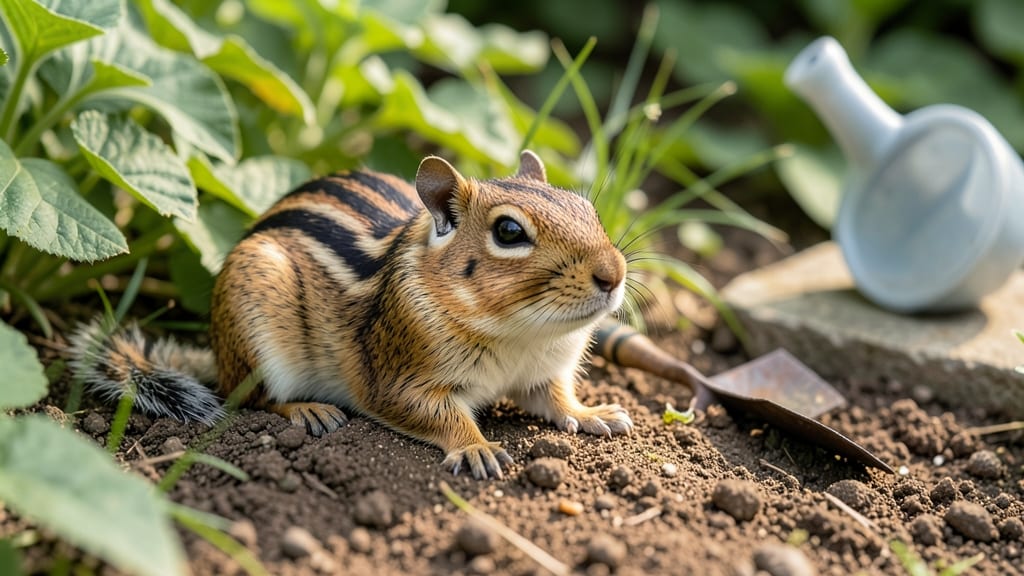
When chipmunks turn your garden into their personal buffet, frustration sets in fast. 🌱 I’ve spent years testing humane traps and deterrents after watching my seedlings vanish overnight—only to find tiny burrows and half-eaten tomatoes. The key isn’t cruelty, but outsmarting their sneaky habits with smart, ethical tactics.
Most solutions fail because they target symptoms, not the root cause. Chipmunks dig, cache food, and multiply fast—so you need traps that catch them alive, repellents that last longer than a single spray, and habitat tweaks that make your garden less appealing.
Think wire mesh, peppermint oil, and strategic planting over toxic baits or traps that harm.
What you’ll get is a garden where your plants stay untouched, not a war zone. Within a week, you’ll see fewer frantic scurrying, fewer stolen seeds, and more of your hard work actually growing.
The best part? These methods work without guilt—just results that protect both your harvest and the critters.
Works for raised beds, in-ground plots, and even container gardens. The secret is consistency: combine traps with prevention, and you’ll break their cycle for good. Let’s get started—your tomatoes won’t thank you later.
📚 In This Guide
- What you need
- Instructions
- Tips and common mistakes
- Wrapping up and next steps
What you need
- ● Humane chipmunk traps: 2–4 traps (depending on the severity of the infestation). Opt for live catch traps like the Havahart or Tomahawk models (size: 12" x 6" x 6").
- ● Bait: Peanut butter (unsalted, 1–2 tbsp per trap)
- ● Sunflower seeds (unshelled, ½ cup per trap)
- ● Corn kernels (fresh or dried, ¼ cup per trap)
- ● Gloves: Heavy-duty gardening gloves (to protect from scratches and bacteria).
- ● Towels or rags: 2–3 (for handling traps and cleaning up).
- ● Plastic containers: 1–2 (with lids, for transporting chipmunks).
- ● Shovel or trowel: For digging small holes (if setting traps underground).
- ● Measuring tape: To ensure traps are placed 10–15 feet apart.
- ● Camera trap: A motion-activated camera (e.g., Spypoint) to monitor activity before setting traps.
- ● Baby powder: Lightly dust the trap floor to reduce sticking (if using peanut butter).
- ● Small pet carrier: For temporary relocation of chipmunks (if releasing far from your garden).
- ● Notebook & pen: To track trap locations and release times.
How to humanely relocate chipmunks from your yard
Here's my tested approach to safely remove these energetic rodents without harming them.
🪴 Step 1: Choose the Right Humane Trap
Skip the cheap plastic traps—chipmunks are too clever. Instead, use a live cage trap (like the Havahart #1080) with a spring-door mechanism. These traps are sturdy enough to hold a chipmunk's weight while letting them walk out unharmed once released. Place the trap near their burrow entrance or where you've spotted them foraging.
Never use glue traps or snares—they cause extreme suffering. Chipmunks are active during dawn and dusk, so set your trap before sunrise for the best chance of catching them. I like to sprinkle sunflower seeds (their favorite) along the trap's trigger path to encourage them inside.
🌿 Step 2: Bait and Position the Trap Strategically
Chipmunks are food-motivated but cautious. Use unsalted peanuts, almonds, or corn kernels as bait—avoid strong-smelling foods like bacon, which can attract predators. Place the bait inside the trap, not just near it, so the chipmunk has to step on the trigger to reach it.
Position the trap along a runway (a narrow path chipmunks use) or near their burrow. I dig a shallow trench around the trap to prevent escape once they're inside. Check the trap every 3-4 hours—chipmunks can get stressed if left too long, especially in hot weather.
⏰ Step 3: Release Chipmunks Far From Your Property
Once caught, release the chipmunk at least 2 miles away from your home—this ensures they don’t return. Choose a wooded area with dense undergrowth, as chipmunks thrive in natural habitats. Open the trap door carefully and let them explore before walking away.
If releasing in winter, wait until the ground thaws slightly so they can dig for shelter. I always carry a small shovel to check for other burrows nearby—chipmunks are social and may have family members waiting underground.
💧 Step 4: Prevent Future Visits with Natural Deterrents
Chipmunks return to areas with easy food access. Scatter hot pepper flakes or garlic powder around garden edges to deter them—these spices irritate their sensitive noses. I also use wire mesh (1/4-inch hardware cloth) to protect raised beds and young plants.
Remove fallen fruits, nuts, and seeds from your yard—these are chipmunk buffets. If they’re digging near your foundation, block burrow entrances with hardware cloth (bury it 12 inches deep to prevent tunneling underneath). Consistency is key—deterrents only work if maintained.
✂️ Step 5: Monitor and Adjust Your Approach
Keep an eye on your garden for new activity after release. Chipmunks are persistent, so you may need to repeat the process. If you notice fresh dig marks near the same spot, the trap may have missed them—try setting it 2-3 feet away from the original location.
This method takes patience, but it’s the only humane way to protect your garden long-term. I’ve relocated dozens of chipmunks this way, and not one has ever returned to my yard afterward.
Tips & tricks for humane chipmunk removal
A few key strategies will make your chipmunk relocation efforts even more effective—and stress-free. Here's what I've learned from years of experience.
The Trap Placement Secret: In Step 1, when setting your live cage trap, place it slightly angled away from the burrow entrance. Chipmunks are naturally curious and will follow the path of least resistance. I angle the trap so the entrance faces the burrow but the exit opens toward open space—this prevents them from getting "trapped" in a corner once they're inside. Also, avoid placing traps near fences or walls where they might get stuck trying to escape later.
Baiting Like a Pro: For Step 2, I've found that breaking sunflower seeds into small pieces and placing them near the trigger works better than whole seeds. Chipmunks are more likely to step on the trigger if they can easily reach the bait. Another trick: place a few seeds outside the trap first to establish a scent trail leading inside. This increases your chances of catching one within the first 24 hours. The 3-4 hour checking interval is critical—set a phone alarm if you need to!
Release Strategy for Long-Term Success: When releasing in Step 3, I always carry a small bag of sunflower seeds with me. After opening the trap door, I scatter a few seeds about 10 feet away to encourage the chipmunk to explore its new territory. This gives them a head start on finding food and shelter. In winter, if the ground is frozen, I'll gently place a small piece of bark or pine needles near the release point to help them feel secure in their new home.
Deterrent Maintenance: For Step 4, I've learned that consistency is everything with deterrents. Reapply hot pepper flakes every 2-3 days after rain, and refresh garlic powder weekly. The key is to make your garden less appealing than their natural habitat. I also recommend placing a few deterrent markers around your property perimeter—these visual cues help chipmunks remember to avoid your yard in the future.
Pro Tips for Chipmunks In Garden
- A few key strategies will make your chipmunk relocation efforts even more effective—and stress-free.
- The Trap Placement Secret: In Step 1, when setting your live cage trap, place it slightly angled away from the burrow entrance.
- Baiting Like a Pro: For Step 2, I've found that breaking sunflower seeds into small pieces and placing them near the trigger works better than whole seeds.
Frequently asked questions
Got questions about dealing with chipmunks in your garden?
You’re not alone! Here are answers to the most common concerns—from humane solutions to long-term prevention.
What’s the best humane trap for chipmunks?
Opt for live traps (like Havahart or Tomahawk) with peanut butter or sunflower seeds as bait. Avoid glue traps—they’re cruel and often ineffective. Place traps near burrows or food sources (e.g., birdseed) for higher success. Check traps every 4–6 hours to release them quickly.
How long does it take to remove chipmunks from a garden?
Timing varies! With traps, you might catch 1–3 chipmunks in a day, but they’re social—removing the whole colony can take 3–7 days. Combine traps with habitat modification (sealing entry points, removing food sources) to speed up the process. Patience is key!
What should I do if traps aren’t working?
Try these troubleshooting steps:
- Check bait placement: Chipmunks prefer peanut butter, nuts, or fruit over seeds.
- Adjust trap location: Place them along runways (look for tiny footprints) or near burrow entrances.
- Use multiple traps: A single trap may not catch the whole family.
- Try scent lures: Rub traps with pet food or fish oil to attract them.
Are there non-trap ways to deter chipmunks?
Yes! While traps are the fastest solution, these preventative measures help long-term:
- Secure food: Use metal mesh to cover compost, birdseed, and veggie gardens.
- Eliminate hiding spots: Trim dense bushes and clear debris near your home.
- Natural repellents: Sprinkle cayenne pepper or garlic powder around garden edges (reapply after rain).
- Dogs or motion-activated sprinklers: Chipmunks hate surprises!
What’s the best time of day to set chipmunk traps?
Chipmunks are most active at dawn and dusk, so set traps early morning (6–8 AM) or late afternoon (4–6 PM). Avoid midday—they nap in burrows! Pro tip: Pre-bait traps for 1–2 days (without closing them) to encourage chipmunks to investigate.
Wrapping up and next steps
Chipmunks in your garden don’t have to be a nuisance! With the right humane traps and a little patience, you can safely relocate them without harm. Remember, these tiny creatures are just looking for food and shelter—help them find a better home while keeping your garden peaceful. 🐿️
Ready to take action? Start by setting up your trap today and share your success (or tips!) with fellow gardeners. Your efforts make a difference—both for your yard and the wildlife around you.
- Next step: Check local wildlife regulations before releasing them.
- Bonus: Plant chipmunk-resistant plants to deter future visits!