Tools
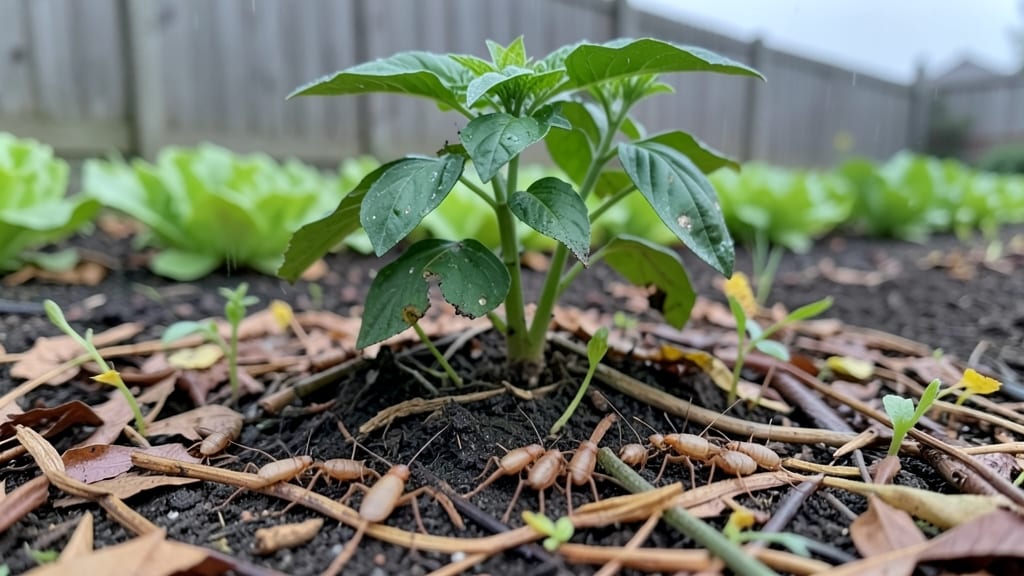
Cockroaches in your garden aren’t just creepy—they’re destructive, munching through seedlings, contaminating soil, and spreading diseases that stunt plant growth. I’ve battled them in my own raised beds, where a single infestation turned thriving basil into brown slime overnight.
The good news? You can turn the tide fast with the right traps and baits, without resorting to harsh chemicals that harm your plants.
These pests thrive in damp, sheltered spots—think mulch piles, under pots, or near irrigation lines—so the first step is cutting off their hideouts. Boric acid baits work in 24-48 hours when placed near their nesting areas, while sticky traps reveal hotspots so you can strike precisely.
For organic gardeners, diatomaceous earth is a game-changer, though it loses potency when wet.
By combining traps with prevention—like keeping mulch dry, sealing compost bins, and removing leaf litter—you’ll see results in 3-5 days. The key is persistence: cockroaches are resilient, but they can’t survive when their food, water, and shelter disappear.
Your garden’s future depends on acting now, before they move on to your veggies.
If the problem persists after a week, it’s time to call in reinforcements. Professional pest control can handle stubborn infestations without risking your soil’s health, especially in organic gardens. The goal isn’t just to eliminate them—it’s to protect the foundation of your harvest.
The Hidden Triggers Inviting Them In
Cockroaches don’t just wander into your garden by accident—they’re drawn by specific conditions that turn your outdoor space into an all-you-can-eat buffet. Understanding these triggers is the first step to outsmarting them. Here’s why your garden might be their favorite hangout:
Cockroaches, especially species like the German cockroach or American cockroach, thrive in damp environments. If your garden has:
- Poor drainage: Water pooling after rain or irrigation creates the perfect breeding ground. Cockroaches need moisture to survive, and stagnant water attracts their food sources (like decaying organic matter).
- Overwatered plants: Soggy mulch, saturated potting soil, or damp leaf litter provide both hydration and shelter. Wood-roaches (a common garden pest) even lay eggs in moist wood or compost piles.
- Leaky hoses or irrigation systems: A slow drip can turn a corner of your garden into a cockroach magnet overnight.
Actionable fix: Improve drainage with gravel or sand mixes, fix leaks, and avoid watering at night (cockroaches are nocturnal and will investigate damp spots).
Cockroaches are scavengers—your garden’s trash is their treasure. They’re attracted to:
- Compost piles: While compost is great for soil, it’s also a cockroach buffet. Unfinished compost (especially meat or dairy scraps) speeds up their reproduction.
- Fallen fruit or vegetables: Overripe produce on the ground or in planters releases sugars and acids that cockroaches can’t resist.
- Pet food left outdoors: Even small amounts of kibble or wet food can draw them in permanently.
- Dead insects or slugs: Yes, they eat other pests too—but this also signals a food source is available.
Actionable fix: Turn compost regularly to reduce moisture and heat up the pile (cockroaches hate temperatures above 100°F). Store fruit in mesh bags, clean up pet bowls immediately, and remove fallen produce within 24 hours.
Cockroaches are nocturnal and prefer dark, sheltered spots. Your garden’s layout might be unknowingly inviting them:
- Thick mulch or leaf litter: A deep layer of mulch (especially wood chips) provides hiding spots and retains moisture—ideal for egg-laying.
- Overgrown shrubs or dense foliage: Tall grasses, ivy, or untrimmed bushes create shadowy tunnels where cockroaches nest during the day.
- Rock piles or wood debris: Cockroaches love to hide under logs, bricks, or even cardboard left outdoors.
- Poor outdoor lighting: Dark corners near structures (like sheds or patios) become their daytime hideouts.
Actionable fix: Trim back dense vegetation, reduce mulch depth (2–3 inches max), and add motion-sensor lights to deter nighttime foraging. Store firewood and debris at least 20 feet from your home.
If your garden borders a structure (like a house, garage, or shed), cockroaches see it as a highway to unlimited resources. They’ll:
- Crawl indoors through gaps: Even a 1/8-inch crack in foundation walls or under doors is enough for them to enter your home.
- Use plants as bridges: Vines touching walls or ivy climbing up siding create perfect pathways for infestations.
- Infiltrate through utility lines: Cockroaches can squeeze into pipes, vents, or cables to move between your garden and home.
Actionable fix: Seal gaps with caulk, install door sweeps, and keep plants trimmed away from building exteriors. Store outdoor furniture and toys away from walls to break their entry routes.
Pro Tip: 🔥 Cockroaches leave behind tiny fecal pellets and shed skins—check these hotspots first if you suspect an infestation:
- Under potted plants
- Behind garden hoses or sprinkler heads
- Inside compost bins or tool sheds
- Along baseboards of nearby structures
Early detection = easier eradication!
Eliminate Unwanted Visitors Naturally
Finding cockroaches in your garden isn’t just unsettling—it can signal deeper issues like poor sanitation, moisture buildup, or even structural vulnerabilities. The good news? You can tackle these pests effectively with a mix of targeted fixes and preventive measures.
Below, we break down the most common causes and the best solutions to reclaim your outdoor space—without resorting to harsh chemicals.
Cockroaches thrive in damp environments, so addressing excess moisture is your first line of defense.
💦 Drain Standing Water
- Check gutters, downspouts, and flower pots for clogs or leaks that trap water.
- Install French drains or extend downspouts away from your garden’s perimeter.
- Use gravel or sand in low-lying areas to improve drainage.
🌡️ Reduce Humidity in Shady Spots
- Trim overgrown plants to allow sunlight and airflow to dry out mulch and soil.
- Avoid overwatering—stick to early morning irrigation to let soil dry by evening.
- Use dehumidifiers near garden sheds or storage areas if moisture persists.
🏗️ Seal Cracks and Gaps
- Inspect woodpiles, compost bins, and garden structures for cracks where roaches hide.
- Apply silicone caulk to gaps around pipes, vents, or foundation edges.
- Store firewood at least 20 feet away from your home and elevate it off the ground.
Cockroaches are scavengers—remove their food supply, and they’ll move on.
🗑️ Secure Trash and Compost
- Use sealed bins with tight-fitting lids for both trash and compost.
- Clean bins regularly with vinegar or bleach to eliminate odors that attract pests.
- Avoid composting meat or dairy—stick to plant-based scraps to deter roaches.
🌿 Manage Garden Debris
- Rake up fallen leaves and twigs weekly to remove hiding spots.
- Store empty pots and garden tools in a dry, ventilated shed.
- Avoid leaving pet food or birdseed outdoors overnight.
🍎 Store Produce Properly
- Harvest ripe fruits and veggies promptly—don’t let them ferment on plants.
- Use mesh bags for delicate produce like berries to keep them pest-free.
- Clean up spills immediately, especially sugary drinks or fallen fruit.
Once you’ve addressed the root causes, deploy targeted traps to catch stragglers.
🔪 Sticky Traps for Scouting
- Place traps near entry points (e.g., under decks, along fences) to monitor activity.
- Check traps daily and replace them every 2–3 days for maximum effectiveness.
- Use boric acid traps (like Roach Motels) for a chemical-free kill.
🥘 Bait Stations for Heavy Infestations
- Set up gel baits (e.g., Advion Cockroach Gel) in cracks, under mulch, or near nests.
- Choose protein-based baits (like peanut butter or dog food) for hungry roaches.
- Place baits away from water sources to prevent contamination.
⏰ Time Your Efforts
- Act at night—cockroaches are most active after dark. Set traps then for better results.
- Repeat treatments every 3–4 weeks to break their life cycle.
- Combine traps with prevention for long-term success.
Small habits can make a big difference in keeping your garden roach-free.
- 🌡️ Mulch smartly: Use coarse mulch (like pine straw) instead of fine bark, which holds moisture longer.
- 🎯 Rotate plants: Avoid planting the same crops in the same spot yearly—cockroaches (and their eggs) may linger in the soil.
- ✨ Invite natural predators: Ladybugs, spiders, and birds help control roach populations. Add a small birdhouse or native plants to attract them.
- 🔥 Solar-powered repellents: Try ultrasonic devices or citrus peels around garden edges—roaches dislike the scent!
With these solutions, you’ll not only eliminate existing cockroaches but also create an environment where they’re unlikely to return. Stay consistent, and your garden will stay pest-free—naturally!
Frequently asked questions
Why do I keep seeing cockroaches in my garden after treating them?
Cockroaches have rapid reproduction cycles—females can lay up to 40 eggs at a time, and eggs hatch in just 6-8 weeks. If you only treat adults without addressing eggs or moisture sources, new generations will emerge. Focus on both traps (for adults) and prevention (like reducing mulch depth and sealing cracks) to break their life cycle.
Are all garden cockroaches harmful to plants?
Most garden cockroaches (like wood-roaches) are harmless to plants—they prefer decaying organic matter over fresh foliage. However, species such as German or American cockroaches can contaminate compost, damage seedlings, and spread bacteria. The real risk comes from their presence indicating unsanitary conditions (like excess moisture or food debris).
Can I use diatomaceous earth in my garden without harming plants?
Food-grade diatomaceous earth is safe for plants when applied correctly. Sprinkle it lightly (1/4 inch thick) around plant bases, avoiding direct contact with leaves or flowers. Reapply after rain, as moisture reduces its effectiveness. For best results, use it in dry conditions (early morning or evening) and pair it with other deterrents like citrus peels.
How do I know if my garden infestation is coming from indoors?
Check for cockroaches near entry points like door thresholds, window sills, or utility lines (pipes, vents). If you find them in both your garden and home, seal gaps with caulk, install door sweeps, and place traps along the foundation. Cockroaches often use plants as bridges—trim vines touching walls to disrupt their pathways.
What’s the fastest way to get rid of cockroaches in potted plants?
For immediate results, remove the plant from its pot and inspect the soil for eggs or droppings. Rinse roots with soapy water, then repot in fresh, dry soil. Place boric acid baits near the pot’s base or use sticky traps around the perimeter. For organic control, sprinkle diatomaceous earth around the pot’s edge and avoid overwatering.