Landscaping
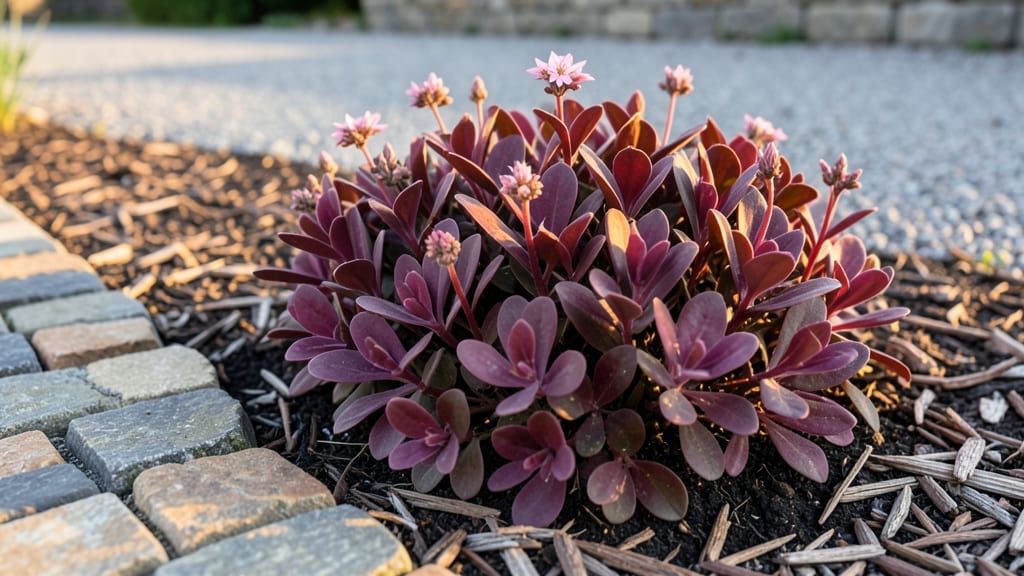
Cobble garden edging transforms flower beds and pathways into rustic, long-lasting borders using irregular stone shapes, with costs ranging from $3 to $10 per square foot based on material quality and installation effort. Begin by measuring your space, laying down landscape fabric, and anchoring stones with adhesive or sand for stability.
Cobble edging isn't just about looks—it's a functional choice that adds weight to prevent erosion and weeds from creeping into your garden beds. 🌿 The irregular shapes create a natural, organic feel while the rough texture gives traction for pathways.
I've found that smaller, flatter stones work best for tight spaces, while larger, rounded cobblestones suit broader borders. Plus, the color options let you match everything from cottage gardens to modern landscapes.
One of my favorite tips is to use a rubber mallet and level during installation—it saves time fixing uneven stones later. For pathways, I recommend setting stones in a bed of coarse sand about 2 inches deep, then compacting it slightly before placing the first row.
This creates a stable base that won't shift with seasonal changes.
💡 In This Article
- How to Choose the Right Cobble Stones for Edging
- Step-by-Step DIY Cobble Edging Installation Guide
How to choose the right cobble stones for edging
The size of cobble stones directly impacts both the visual appeal and structural integrity of your garden borders. Larger stones—typically 3 to 6 inches in diameter—create bold, dramatic edges that work well for wide pathways or large flower beds.
Their weight (often 2 to 5 pounds each) provides natural stability, resisting erosion and weed growth better than lighter options. Smaller stones (1 to 3 inches) offer a more refined, intricate look but require careful placement to maintain uniformity.
Shape matters too: flat stones (like slate) lay flush against the ground, creating clean, modern lines perfect for geometric garden designs. Rounded river rocks, on the other hand, offer a softer, more organic aesthetic that blends seamlessly into natural landscapes.
The texture also affects drainage—rougher stones allow water to flow through gaps, while smoother ones may require additional gravel for proper runoff. 🌟 For pathways, I recommend rounded stones because their curved edges distribute weight more evenly underfoot.
Material selection affects both durability and cost. Slate and granite are dense, weather-resistant options that last decades with minimal maintenance, though they cost $5 to $12 per square foot.
River rocks are lighter (1 to 3 pounds each) and more affordable ($3 to $7 per square foot), but may require periodic replenishment as they shift over time. For DIY projects, lighter materials reduce installation strain, but heavier stones provide superior long-term stability—especially in high-traffic areas.
Color coordination transforms your edging from functional to focal. Neutral tones like gray slate or beige limestone complement cottage gardens, while earthy reds or blues add vibrancy to modern designs.
Pro tip: Test your stone selection against your garden's dominant colors—contrasting hues create visual interest, while matching tones offer subtle elegance. For pathways, I often mix two complementary stone types (e.g., gray slate with soft pink granite) to create depth without overwhelming the space.
Weight considerations are critical for DIY installation. A 4-inch granite cobble can weigh 4 pounds, making it manageable for one person but challenging in bulk. For larger projects, consider renting a wheelbarrow or using a dolly to transport stones efficiently.
Always wear gloves—rough textures can cause blisters, and sharp edges pose safety risks. The key is balancing aesthetics with practicality: choose stones that fit your strength level while achieving your design vision.
Don't overlook the base material—it's what makes your edging last. For pathways, compact 2 inches of coarse sand or gravel beneath stones to create a stable foundation. In flower beds, use landscape fabric to suppress weeds while allowing water drainage.
This two-layer system prevents stones from sinking or shifting over time, maintaining your edging's crisp appearance for years. 💫 The right combination of stone, base, and technique turns a simple border into a lasting garden feature.