
Diseases
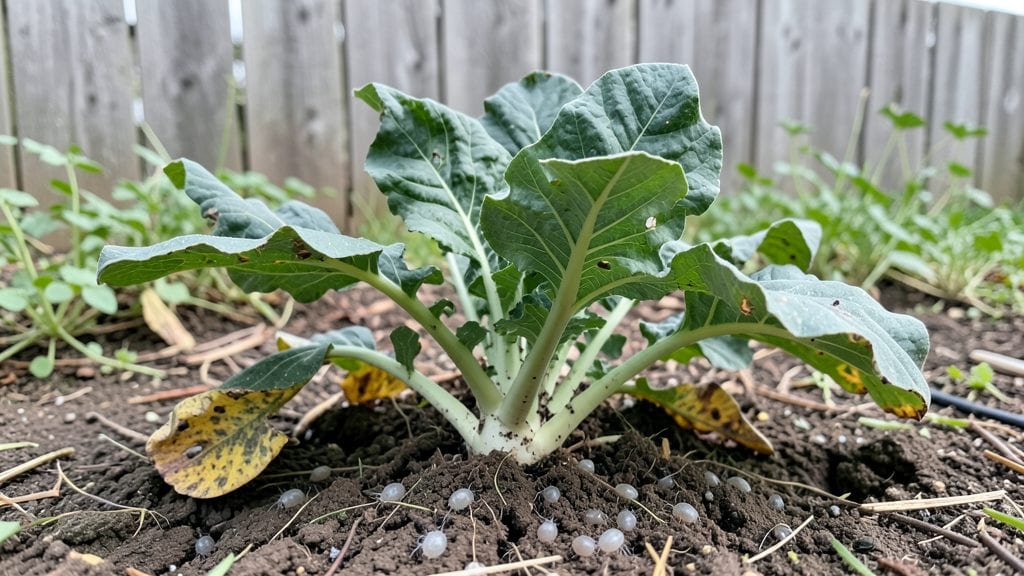
You can get scabies from gardening only if you touch infected human skin cells or contaminated gardening tools, as soil itself rarely carries live mites. The parasites thrive through skin-to-skin contact, not through plants or dirt, though gloves and hygiene eliminate nearly all risk.
Scabies mites can't survive long outside the human body—they die quickly in dry or hot conditions, including soil.
While gardening tools might harbor mites if recently exposed to infected skin, the risk is minimal compared to direct human contact. 🔥 I always recommend washing hands thoroughly after gardening and storing tools in a dry place to further reduce any potential exposure.
If you're concerned about shared gardening spaces, disinfecting tools with rubbing alcohol or boiling water is a smart precaution. Early signs like persistent itching or small red bumps should prompt a visit to a healthcare provider, as scabies spreads rapidly in close-contact environments.
💡 In This Article
- How Scabies Mites Survive Outside the Body
- Gardening Safety Gear to Prevent Scabies
How scabies mites survive outside the body
Scabies mites (Sarcoptes scabiei) are remarkably fragile outside their human host. These microscopic parasites thrive in the warm, moist environment of human skin, where they burrow and lay eggs.
Once separated from skin, they typically survive only 3 days at most—far shorter than many soil-borne pathogens like E. coli (which can linger for weeks under ideal conditions). The key factor is their extreme sensitivity to dryness and temperature fluctuations.
The mites' outer exoskeleton lacks the protective layers found in hardier organisms like tapeworm eggs or certain bacteria.
At room temperature (70°F), they begin dehydrating within hours, while exposure to direct sunlight or temperatures above 113°F kills them instantly. 🔥 This explains why soil transmission is rare: mites can't penetrate plant roots or survive the abrasive texture of garden soil for long.
Even gardening tools only pose a risk if they've touched infected skin within the past 72 hours before use.
What makes scabies uniquely dangerous is its transmission mechanism. Unlike pathogens that spread through contaminated water or food, scabies requires direct skin contact for 10-15 minutes or longer. This is why gardening gloves—especially those with no gaps—offer near-complete protection.
The mites can't crawl through fabric, and even if they land on gloves, they'll die quickly from the lack of moisture and body heat.
Comparing scabies to other soil-borne threats highlights its fragility. For example, hookworm larvae can survive in soil for weeks, while Cryptosporidium oocysts remain infectious for months. Scabies mites, however, are more like fleas in this regard—they're specialized parasites that can't survive long without their host's ideal conditions.
This is why gardening itself carries minimal risk unless you're handling tools recently used by someone with untreated scabies.
Here's what actually happens when mites leave the body: they enter a state of suspended animation called "quiescence," slowing their metabolism to conserve energy. However, this state lasts only 24-72 hours before they perish from dehydration.
The only way they survive longer is if they're sheltered in dark, humid environments—like folded clothing or bedding—where they might persist for up to a week.
This scientific fragility explains why scabies outbreaks occur in crowded, close-contact settings (like dorms or nursing homes) rather than through gardening. The mites can't hitch rides on plants or survive the journey from soil to skin.
What most people don't realize is that even if mites theoretically land on your hands from contaminated tools, they'd need to immediately find a new host to survive—something that's biologically impossible in outdoor conditions.