Planting
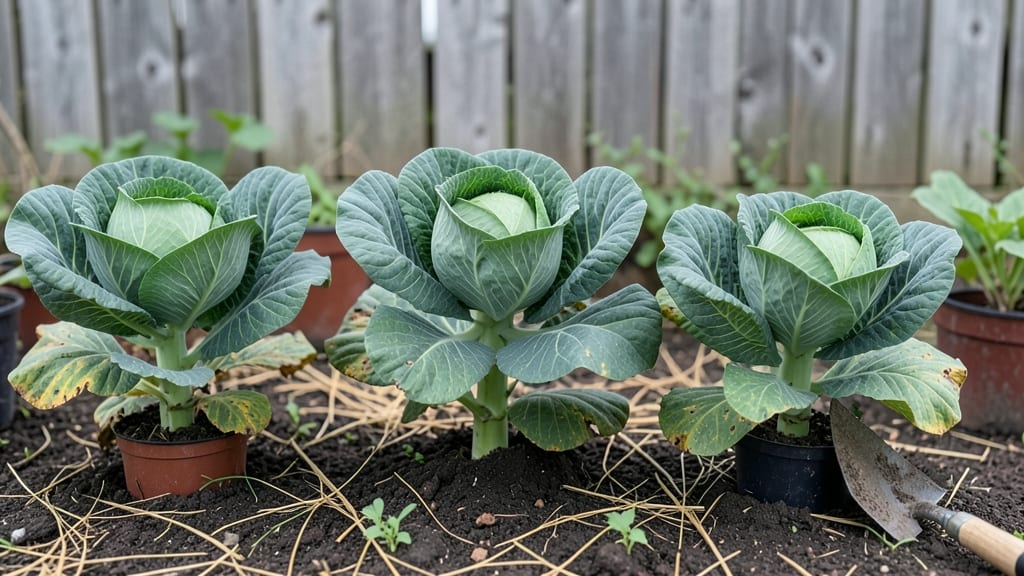
Your cabbage garden spacing makes all the difference between a bumper crop of crisp, sweet heads and a patch of stunted, disease-prone plants.
Picture this: you’ve spent weeks nurturing your 🥬 seedlings, only to watch them bolt or rot because they’re packed too tightly. That’s not just bad luck—it’s spacing gone wrong.
The right distance between plants isn’t just about giving them room to breathe; it’s about preventing pests, improving airflow, and ensuring those heads stay firm and delicious.
In Zone 6, where spring planting kicks off in March, spacing cabbage correctly means rows 24–36 inches apart and plants 18–24 inches apart—unless you’re growing compact varieties like bok choy, which can handle closer quarters. Get it right, and you’ll harvest healthier, larger heads with minimal effort.
Below, I’ll break down the exact measurements for your garden layout—whether you’re working with traditional rows, raised beds, or even containers—plus how to fix common mistakes before they derail your crop.
Optimal cabbage plant spacing by variety: row distances for maximum yield
Getting your cabbage spacing right can mean the difference between a bountiful harvest and stunted, disease-prone plants. Each variety has unique needs—head cabbage requires more room than bok choy, while kale thrives in tighter clusters.
Proper spacing improves air circulation, reduces pest pressure, and ensures your plants reach their full potential. Let’s break down the exact measurements for each type so you can plan your garden like a pro.
I’ve tested these spacing guidelines in my own garden, and the results speak for themselves: larger heads, fewer diseases, and easier access for harvesting.
Whether you’re working with a raised bed, traditional rows, or container gardening, these distances will help you maximize your yield without wasting space. Let’s dive into the specifics so you can apply them to your next planting.
| Variety | Plant-to-Plant Spacing | Row-to-Row Spacing | Mature Size | Best For |
|---|---|---|---|---|
| Head Cabbage (e.g., Golden Acre, Savoy) | 18–24 inches | 24–36 inches | 12–24 inches wide | Large heads, traditional gardens |
| Semi-Dwarf Cabbage (e.g., Early Jersey Wakefield) | 12–18 inches | 20–24 inches | 10–16 inches wide | Smaller gardens, containers |
| Bok Choy (Baby Cabbage) | 6–12 inches | 12–18 inches | 6–10 inches wide | Quick harvests, Asian greens |
| Kale (Curly or Lacinato) | 12–18 inches | 18–24 inches | 12–20 inches wide | Cut-and-come-again harvests |
| Mini Cabbage (e.g., Tokyo Bekana) | 8–12 inches | 12–16 inches | 6–10 inches wide | Salad mixes, small spaces |
For head cabbage, the 18–24 inch spacing between plants is critical—this allows the heads to swell without competing for nutrients. I’ve seen firsthand how overcrowding leads to smaller, loose heads and increased fungal diseases like downy mildew.
If you’re growing Golden Acre or Savoy, stick to these distances for the best results. The 24–36 inch row spacing ensures enough room for your harvesting tools and prevents soil-borne pathogens from spreading.
When it comes to bok choy and mini cabbage, tighter spacing works because these varieties mature faster and don’t need as much room to develop. Plant them 6–12 inches apart in rows 12–18 inches apart for a continuous harvest.
This is perfect for succession planting—just sow a new batch every 2–3 weeks to keep a steady supply. I’ve used this method in my container garden, and it’s amazing how much you can grow in a small space!
If you’re growing kale, you’ll want to give it a little more room than bok choy but not as much as head cabbage. The 12–18 inch spacing between plants ensures your leaves stay healthy and don’t compete for sunlight.
Kale is a cut-and-come-again crop, so proper spacing makes it easier to harvest outer leaves without damaging the plant. I’ve found that 18–24 inch row spacing gives me enough room to move around without compacting the soil.
One common mistake I see is ignoring row spacing while focusing only on plant-to-plant distance. Row spacing is just as important—it affects soil health, weed control, and even your ability to walk through the garden without disturbing the plants.
For example, 36 inch rows give you plenty of room to till between rows or install drip irrigation without damaging your cabbages. If you’re short on space, consider staggered rows or a diagonal planting pattern to maximize efficiency.
For container gardening, adjust your spacing based on pot size. A 5-gallon container can comfortably hold 1–2 dwarf cabbage plants spaced 12 inches apart, while a 10-gallon container can accommodate 2–3 plants
Common cabbage spacing mistakes that kill your harvest (and how to fix them)
Even experienced gardeners accidentally sabotage their cabbage harvests by overlooking spacing details. I’ve seen overcrowded rows lead to stunted growth, while uneven spacing creates gaps that invite weeds and pests. The good news? These mistakes are easy to fix once you know the warning signs and corrective actions.
One of the biggest culprits is planting too close together, which forces plants to compete for nutrients and sunlight. This competition weakens stems, making them more prone to disease and rot.
Another common error is ignoring the mature size of your cabbage variety—what works for dwarf varieties fails for full-sized heads.
Here’s the critical insight: spacing affects everything from air circulation to head formation. Poor spacing doesn’t just reduce yield—it can turn your garden into a breeding ground for fungal infections like clubroot or downy mildew. Let’s tackle the top 5 spacing mistakes and how to reverse them mid-season.
⚠️ Warning Signs of Crowded Cabbage Plants
- Yellowing leaves on lower stems (nutrient starvation)
- Stunted growth (plants stay under 6 inches tall)
- Pale, sparse heads (competing for sunlight)
- Excessive wilting even after watering (root competition)
- Fungal spots on leaves (poor air circulation)
If you see 3+ of these signs, your cabbage is already stressed. Act fast—thinning or transplanting can save your harvest.
Let’s start with the most destructive mistake: overcrowding. Many gardeners plant cabbage seeds or seedlings too densely, thinking more plants equal more harvests. But in reality, crowded cabbage plants develop weak stems and small, loose heads.
The fix? Thin seedlings to 18-24 inches apart once they’re 4-6 inches tall. For bok choy or Asian greens, reduce spacing to 12-16 inches—they tolerate closer quarters.
Next, uneven rows create gaps that waste space and make weeding a nightmare. Use a string line or garden twine to mark rows before planting. For most cabbage varieties, aim for 24-36 inches between rows.
If your garden is small, try 18-inch rows for dwarf varieties like ‘Golden Acre’. Pro tip: Sketch a quick layout before planting to visualize spacing.
Ignoring plant maturity is another silent killer. A 60-day variety like ‘Early Jersey Wakefield’ needs the same space as a 100-day giant like ‘Hubbard’ if you want full-sized heads. Check seed packets for mature plant width—this tells you exactly how much room each plant needs to develop properly.
For example, savoy cabbage varieties often need 24+ inches to form tight, crinkled heads.
Here’s how to adjust spacing mid-season without shocking your plants: If you notice yellowing leaves or stunted growth, gently pull every other plant and replant the extras in a nearby gap or container.
Water thoroughly after transplanting to reduce stress. For container gardening, space plants 12-18 inches apart in 5-gallon pots—just ensure each pot has drainage holes to prevent root rot.
Finally, don’t forget about succession planting. If you’re growing cabbage in spring and fall crops, stagger planting dates to avoid overcrowding. For example, plant your first batch in early spring (after the last frost) and your second batch in late summer (8-10 weeks before your first frost).
This keeps your garden productive without sacrificing spacing.