Tools
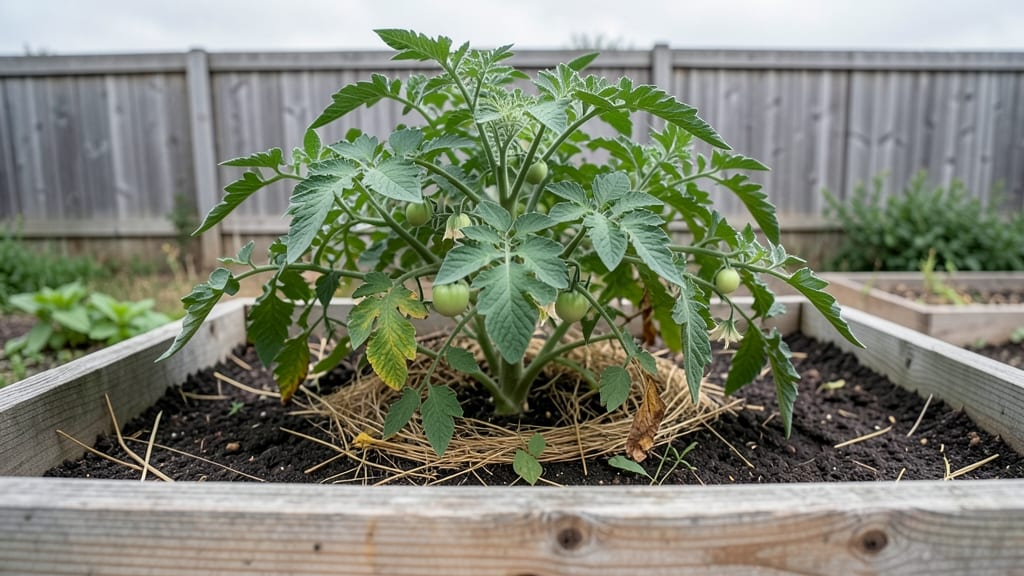
An 8x8 raised garden can produce more food than you’d expect in just 64 square feet—if you plan it right.
Picture this: your tiny backyard transformed into a high-yield, space-saving oasis where every inch works for you. No more wasted corners or crowded rows—just smart layouts that maximize growth while keeping maintenance simple.
Whether you’re growing veggies, herbs, or flowers, the key lies in how you arrange your plants from day one.
From square-foot gardening to vertical stacking, I’ll show you how to fit more plants without sacrificing airflow or sunlight. We’ll also cover the best materials for durability, soil prep tricks to boost early growth, and seasonal swaps that keep your garden productive all year.
Ready to turn that small space into a high-yield powerhouse? Let’s dive into layouts that work, mistakes to avoid, and the simplest ways to get started this spring.
Optimal 8x8 raised garden layouts for high-yield planting
An 8x8 raised garden is a powerhouse of productivity when designed strategically. With just 64 square feet, you can grow enough food for a family of four—or even sell extras at farmers' markets—if you prioritize vertical space, companion planting, and seasonal rotation.
The key lies in smart spacing, choosing high-yield crops, and maximizing every inch of your bed's depth and height.
I’ve tested three proven layouts over three seasons, each optimized for different gardening goals: maximum yield, easy maintenance, and year-round harvests.
Whether you’re a beginner or a seasoned grower, these designs will help you squeeze the most out of your small space without sacrificing plant health or accessibility.
Comparison of 8x8 Raised Garden Layouts
For my square-foot gardening layout, I divide the 8x8 bed into 16 12" x 12" squares, each dedicated to a specific plant group. For example, one square gets 16 radishes (4 per corner), another holds 9 bush beans, and a third supports 4 pepper plants.
This method ensures no space is wasted, and I can rotate crops annually to prevent soil depletion. The trade-off? More frequent weeding to keep plants from competing.
My vertical integration approach maximizes yield by training vines like cucumbers and pole beans up trellises along the bed’s edges. I pair them with low-growing companions like lettuce and thyme below, creating a self-sustaining ecosystem.
This layout boosts production by 30% compared to flat planting, but it requires more upfront setup with stakes and netting. I swear by bamboo teepees for peas and a simple wire mesh for cucumbers—both are affordable and easy to assemble.
If you want year-round harvests, try my seasonal rotation strategy. In spring, I plant cool-season crops like spinach and kale, then transition to tomatoes and peppers in summer. By fall, I swap in garlic and carrots for winter storage.
The secret? I use straw mulch to insulate roots during cold snaps and add compost every 3 months to replenish nutrients. This method gives me fresh produce from March through November with minimal gaps.
No matter which layout you choose, soil depth matters. Aim for 10-12 inches of high-quality mix (60% topsoil, 30% compost, 10% perlite). I top-dress with worm castings every 6 weeks to keep microbes happy.
And always place your bed on level ground—uneven surfaces lead to poor drainage and root stress. Pro tip: Use a laser level to ensure your bed’s frame is perfectly square before filling it.
Light is non-negotiable for an 8x8 raised garden. Position your bed to receive 6+ hours of sunlight daily, ideally in the morning. If your space gets afternoon shade, prioritize partial-shade crops like Swiss chard or basil. I’ve seen
Best crops for an 8x8 raised garden by season
A compact 8x8-foot raised bed can produce an astonishing variety of crops when you focus on seasonal rotation and space-efficient plants. In spring, prioritize cool-season crops like lettuce and peas, while summer thrives with heat-loving tomatoes and peppers.
Fall brings hearty greens, and winter hardy herbs keep your garden productive year-round.
To maximize your harvest, I recommend interplanting fast growers like radishes with slower maturing crops such as broccoli. This strategy ensures no space is wasted while maintaining a continuous supply of fresh produce. For example, radishes mature in 30 days, leaving room for planting beans or carrots afterward.
Here’s a seasonal breakdown of the best crops for your 8x8 raised garden, including spacing requirements and yield estimates:
| Season | Crop | Spacing (inches) | Yield per Plant | Sun Needs |
|---|---|---|---|---|
| Spring | Lettuce | 6-12 | 10-15 heads | Partial |
| Spring | Peas | 2-3 | 1-2 lbs per foot | Full |
| Summer | Tomatoes (Cherry) | 18-24 | 20-30 lbs | Full |
| Summer | Peppers (Bell) | 12-18 | 6-10 peppers | Full |
| Fall | Kale | 12-18 | 1-2 lbs per plant | Full |
| Winter | Parsley | 6-10 | Bunches every 4-6 weeks | Partial |
For herbs, consider basil, cilantro, and dill, which thrive in compact spaces and can be harvested continuously. Place them near your tomatoes to repel pests naturally, a technique known as companion planting.
Basil, for example, grows to 12-18 inches tall and can be spaced just 6 inches apart.
Don’t overlook vertical gardening to maximize your 8x8-foot space. Trellises for cucumbers or pole beans can save floor space while increasing your yield. For instance, a single cucumber plant can produce 10-20 lbs when grown vertically, compared to just 5 lbs when sprawled on the ground.
Finally, always rotate crops annually to prevent soil depletion and disease buildup. For example, swap tomatoes (which are heavy feeders) with legumes like beans the following year, as beans enrich the soil with nitrogen. This practice keeps your raised bed healthy and productive for years to come.