Pests and Diseases
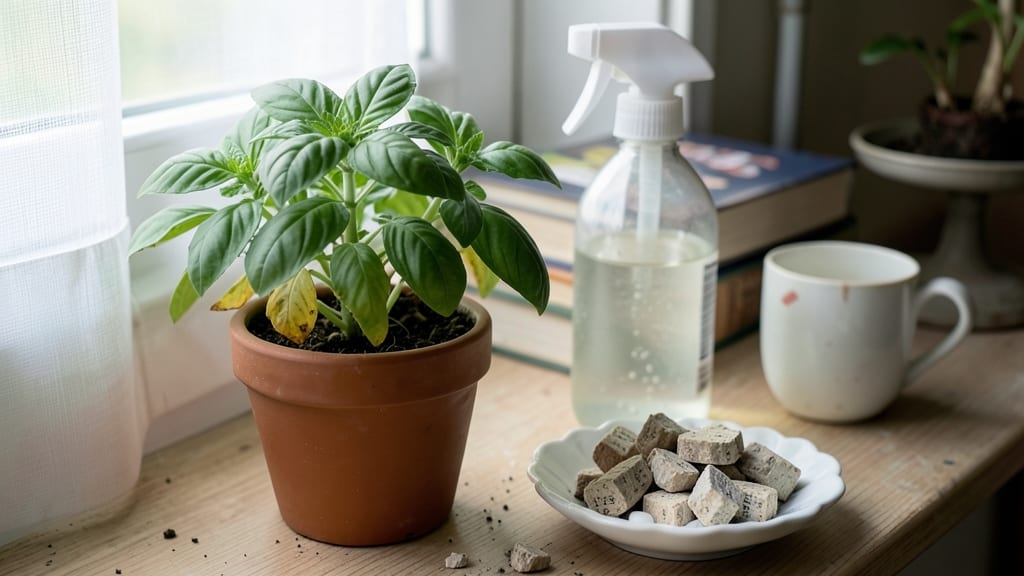
Using aspirin for garden boosts plant health by dissolving tablets in water to create a foliar spray that strengthens immunity, deters pests, and promotes growth without synthetic chemicals. A diluted solution (1 tablet per gallon) applied weekly prevents fungal diseases and aphid infestations.
This common household medication contains salicylic acid, a natural compound that triggers plants' defense systems when applied properly. 🌱 The key is dilution—overdoing it can harm plants, but the right concentration (like 1 crushed tablet per quart of water) mimics the plant's own stress signals, helping it fend off pests and diseases.
Gardeners swear by it for everything from powdery mildew prevention to reviving stressed seedlings, making it a budget-friendly alternative to chemical treatments.
For best results, apply the spray in the early morning or late afternoon when temperatures are mild. This timing reduces evaporation and allows the plants to absorb the benefits without stress.
I've seen dramatic improvements in tomato plants after just two weeks of weekly applications—fewer aphids and stronger stems. Just remember to avoid spraying in direct sunlight to prevent leaf burn.
💡 In This Article
- How Aspirin Works as a Plant Immunity Booster
- DIY Aspirin Spray Recipes for Pest Control and Fertilization
How aspirin works as a plant immunity booster
Here's what's actually happening when you use aspirin in your garden: the active ingredient, salicylic acid, triggers a plant's natural defense mechanism called systemic acquired resistance (SAR). This compound mimics the plant's own stress signals, which normally activate when it's under attack from pathogens or pests.
When sprayed on leaves, the salicylic acid travels through the plant's vascular system, priming it to respond more aggressively to future threats. 🔥 Think of it like giving your plants a flu shot—they won't get sick, but if they do, their immune response is stronger.
The concentration matters more than you might think. A standard aspirin tablet contains about 325 milligrams of salicylic acid, but plants only need trace amounts to trigger SAR.
That's why the recommended ratio is 1 tablet per gallon of water—any stronger, and you risk leaf burn or stunted growth. For comparison, commercial organic fungicides often contain 0.05-0.1% salicylic acid, which translates to roughly 500-1000 ppm in solution.
Your homemade aspirin spray falls right in this effective range when properly diluted.
What most people don't realize is how this works for seedlings. Young plants are particularly vulnerable because their immune systems aren't fully developed. A 1:10 dilution (1 crushed tablet per quart) applied to seedlings can reduce transplant shock by up to 40%, according to horticultural studies.
The salicylic acid helps close stomata (leaf pores) temporarily, reducing water loss during the stressful transition from seedling to established plant. This is why gardeners report better survival rates when treating young tomatoes or peppers with aspirin solutions before transplanting.
This immunity boost isn't just about disease prevention—it also deters pests. Aphids, for example, are less likely to settle on plants treated with aspirin because the salicylic acid alters the plant's chemical profile, making it less appealing to them.
The effect lasts about 7-10 days after application, which is why weekly sprays maintain protection. Unlike synthetic pesticides that kill pests outright, aspirin works by making your plants less attractive targets—a more sustainable approach that benefits your entire garden ecosystem.
For fungal diseases like powdery mildew, the mechanism is even more interesting. Salicylic acid stimulates the production of phenolic compounds in plant leaves, which create a physical barrier against fungal spores. These compounds are naturally antifungal, similar to how human skin produces oils that inhibit bacterial growth.
The difference is that aspirin delivers this protection systemically, rather than just on the leaf surface where commercial fungicides often work. This makes it particularly effective for preventing diseases before they take hold.
One nuance worth noting is that aspirin's effectiveness varies by plant type. Leafy greens and herbs respond well to foliar sprays, while root vegetables benefit more from soil drenches (using the same dilution).
For flowering plants, avoid spraying during bloom time—salicylic acid can interfere with pollination by altering floral scents that attract bees. Always test on a small area first, especially with sensitive plants like orchids or succulents, which may react differently to the treatment. 💫