
Tools
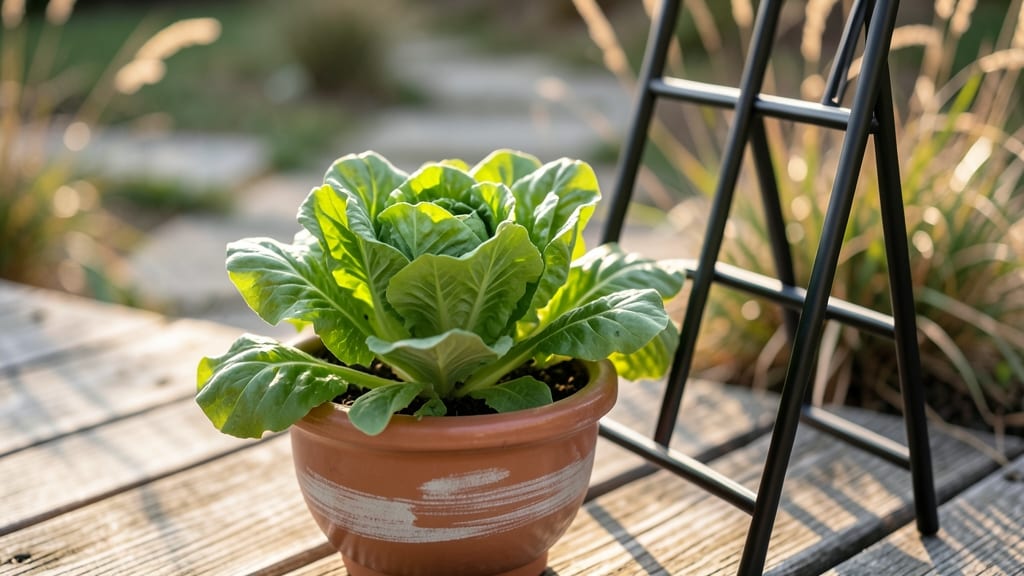
An apartment terrace garden transforms concrete into a lush escape without needing a yard. 🌿 I’ve turned my 10x12-foot balcony into a thriving green space using vertical planters, lightweight containers, and shade-tolerant plants—proving even urban dwellers can grow vibrant greenery year-round.
The key is smart design: stackable pots for herbs, wall-mounted planters for flowers, and self-watering systems to handle neglect. You’ll need lightweight soil mixes, durable containers, and plants that thrive in containers—like dwarf citrus, trailing ferns, or compact veggies. Even weight restrictions aren’t a problem with the right materials.
By summer, you’ll have a fragrant herb garden for cooking, cascading flowers for color, and maybe even a few homegrown tomatoes. The best part? It’s a sanctuary from city noise, a spot to unwind, and proof that green thumbs don’t require green space. Let’s make your terrace bloom.
Whether you’re working with a sun-drenched rooftop or a shady corner, these ideas adapt to any urban space. Start small, then expand as you gain confidence—your terrace will thank you. Here’s how to begin without breaking the bank or the rules.
📚 In This Guide
- What you need
- Instructions
- Tips and common mistakes
- Wrapping up and next steps
What you need
- ● Containers: 3–5 10–12 inch diameter pots (for herbs/flowers)
- ● 1–2 18–24 inch planters (for shrubs or small trees)
- ● 1 raised bed or window box (if space allows, 2’x4’ max)
- ● Growing Medium: High-quality potting mix (1–2 bags, 1–2 cubic feet each)
- ● Perlite or vermiculite (1 small bag, for drainage)
- ● Compost or worm castings (1 bag, for nutrients)
- ● Tools: Trowel or small hand shovel
- ● Garden gloves
- ● Watering can (with a rose nozzle for gentle watering)
- ● Pruning shears
- ● Measuring tape (for spacing plants)
- ● Choose plants based on your terrace’s sunlight: Full sun (6+ hrs/day): Succulents, lavender, rosemary, or dwarf citrus trees
- ● Partial shade (3–6 hrs/day): Ferns, hostas, or herbs like basil and parsley
- ● Low light ( Snake plants, pothos, or peace lilies
- ● Seedlings vs. Seeds: Start with 3–5 young plants (easier for beginners)
- ○ Seeds (optional): Fast-growing varieties like lettuce or marigolds
- ● Drip irrigation kit (for hands-off watering)
- ● Self-watering planters (travel-friendly)
- ● Decorative stones or mulch (for a polished look)
- ● LED grow lights (if your terrace lacks sunlight)
- ● Trellis or vertical planters (to maximize space)
How to create a thriving apartment terrace garden
Turn your small space into a lush retreat with these simple steps for year-round greenery.
🪴 Step 1: Assess and Prepare Your Terrace Space
Start by measuring your terrace dimensions and noting sunlight patterns. Most urban balconies get 4-6 hours of sun, so choose plants that match your light exposure. I always mark the sunniest and shadiest spots with chalk—this helps when selecting containers and plants later.
Clear away any debris and sweep the surface clean. If your terrace is concrete or wood, add a layer of landscape fabric to prevent weeds from popping up between your containers. This is especially important if you plan to add mulch later—weeds will compete with your greenery for nutrients.
🌱 Step 2: Select Containers and Soil Mix
Choose containers with drainage holes—terracotta pots work well for herbs and annuals, while lightweight plastic containers are better for heavier plants like ferns or hostas. Group containers by plant type to make watering and care easier. For example, place all herbs together and succulents in a separate spot.
Use a high-quality potting mix designed for containers, as garden soil compacts too much and drains poorly. I like to add a handful of perlite to the mix to improve drainage, especially for plants like succulents that hate soggy roots. Fill containers to within 1 inch of the rim—this leaves room for watering without overflowing.
☀️ Step 3: Plant for Year-Round Interest
Start with a mix of evergreens like boxwood or dwarf conifers for structure, then add seasonal bloomers like pansies for winter color and petunias for summer. I always plant taller varieties in the back of containers and trailing plants like sweet potato vine in hanging pots to maximize space.
Water thoroughly after planting to settle the soil around roots. You’ll know it’s right when water drains out the bottom holes without pooling. Mulch the surface with 1-2 inches of shredded bark to retain moisture and keep roots cool in summer. This step also prevents soil from splashing onto leaves during watering.
💧 Step 4: Establish a Watering Routine
Check soil moisture daily during the first week, then taper to every 2-3 days once plants are established. Water deeply until it flows from the drainage holes—this encourages roots to grow downward. I use a watering can with a narrow spout to direct water to the base of plants and avoid wetting leaves, which can lead to fungal issues.
Group plants with similar water needs together. For example, succulents and herbs like rosemary thrive with less water, while ferns and impatiens need consistently moist soil. A simple trick: Stick your finger 1 inch into the soil—if it feels dry, it’s time to water.
✂️ Step 5: Maintain and Refresh Seasonally
Deadhead spent blooms regularly to encourage new growth, and prune leggy stems to keep plants compact. I always trim back perennials in early spring to make room for fresh new shoots. Fertilize every 4-6 weeks during growing season with a balanced liquid fertilizer—half-strength applications prevent burning roots.
Rotate containers every few weeks so all sides get even sunlight exposure. This prevents plants from leaning toward the light and keeps them growing uniformly. In winter, move tender plants indoors or wrap containers in bubble wrap to protect roots from freezing temperatures.
Tips & tricks for perfect apartment terrace gardens
Here's the thing about small-space gardening—it's all about smart choices that make a big difference. These tricks will help you maximize every square inch of your terrace while keeping your plants thriving.
Sunlight Strategy: The 4-6 hours of sun mentioned in Step 1 is your golden window! If your terrace gets less, opt for shade-tolerant plants like ferns or impatiens. For sunnier spots, choose heat-lovers like lavender or rosemary. I like to use reflective surfaces like white pebbles around containers to bounce extra light onto plants during those critical morning hours.
Container Hack: When selecting containers in Step 2, prioritize weight—heavier containers stay put in windy conditions. For extra stability, place them on saucers filled with pebbles rather than directly on your terrace surface. This prevents water damage to wood or concrete over time. Also, consider self-watering containers if you travel frequently—they maintain consistent moisture levels automatically.
Plant Placement Pro: In Step 3, think vertically! Use wall-mounted planters or trellises for climbing plants like jasmine or morning glories. This frees up valuable floor space while adding height and visual interest. I always place my tallest containers against walls or railings to create natural privacy screens and make the space feel more enclosed.
Watering Wisdom: The 2-3 day watering routine in Step 4 works perfectly, but here's a pro move: water in the early morning instead of evening. This gives plants time to dry out during the day, reducing fungal risks. For containers without saucers, place them on a layer of pebbles to catch excess water—this prevents soggy roots while recycling water for your plants.
Pro Tips for Apartment Terrace Garden
- Here's the thing about small-space gardening—it's all about smart choices that make a big difference.
- Sunlight Strategy: The 4-6 hours of sun mentioned in Step 1 is your golden window!
- Container Hack: When selecting containers in Step 2, prioritize weight—heavier containers stay put in windy conditions.
Frequently asked questions
Got questions about transforming your apartment terrace into a lush garden? Here are some common concerns—and their answers—to help you grow with confidence!
What’s the best time of year to start my terrace garden?
Start in early spring (March–April) for warm-weather plants like herbs and veggies, or late summer (August–September) for cool-season crops. Containers let you extend seasons—just adjust watering and sunlight exposure. Pro tip: If you’re in a mild climate, you can plant year-round with the right species!
How often should I water my terrace garden?
Check soil moisture daily—containers dry out faster than ground soil. Water deeply every 2–3 days in summer (or daily in extreme heat) and reduce to 2–3 times a week in cooler months. Morning watering prevents evaporation and fungal issues. Drip irrigation or self-watering pots save time and effort!
Can I garden on a balcony with no direct sunlight?
Yes! Opt for low-light plants like leafy greens (spinach, kale), herbs (parsley, chives), or shade-tolerant veggies (bush beans, lettuce). Use reflective surfaces (mirrors, light-colored walls) to maximize indirect light. Grow lights (LED or fluorescent) work well for 12+ hours/day if natural light is scarce.
What’s the cheapest way to set up a terrace garden?
Repurpose household containers (buckets, old pots, even cleaned yogurt tubs) with drainage holes. Use compost (free from local gardens or DIY with kitchen scraps) and seed swaps instead of buying plants. Thrift stores often have affordable tools—just sanitize them before use. Start small! A few herbs or a single tomato plant can yield big rewards.
How do I keep pests away from my terrace garden?
Prevent pests with physical barriers (mesh over containers), natural repellents (crushed garlic, neem oil), and healthy soil (compost improves plant resilience). Remove damaged leaves promptly. For stubborn bugs, introduce beneficial insects like ladybugs or use insecticidal soap sparingly. Rotate crops yearly to disrupt pest cycles!
Wrapping up and next steps
Transforming your apartment terrace into a lush garden isn’t just about aesthetics—it’s a refreshing escape from urban hustle and a chance to connect with nature, no matter the season. 🌿 With the right plants, containers, and a bit of creativity, you’ve got everything you need to cultivate a thriving green space that brings joy year-round.
Ready to dive in? Start small—pick one corner or one plant to begin, and watch your vision grow! Whether you’re a seasoned gardener or a curious beginner, every step forward is a step toward a greener, happier home. Happy planting! 🌱