Tools
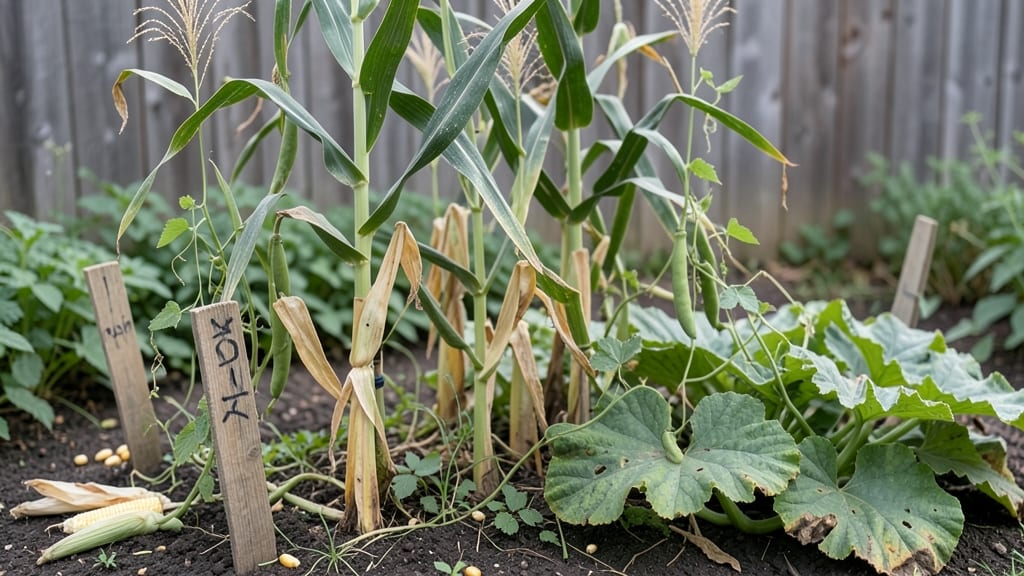
Planting corn, beans, and squash together isn't just gardening—it's a centuries-old partnership that feeds both the soil and the table. 🌱 The 3 Sisters method creates a self-sustaining ecosystem where each plant supports the others, reducing weeds, improving harvests, and making the garden look like a lush, living tapestry.
My first attempt last summer proved it: the corn grew taller, the beans climbed effortlessly, and the squash spread just enough to block weeds without crowding.
This technique works because of how the plants interact: corn provides structure for beans to climb, beans fix nitrogen in the soil for corn and squash, and squash vines shade the soil to keep moisture in.
You don’t need fancy tools—just a sunny spot, some compost, and the three plants themselves. The layout is simple: plant corn in rows, beans between the corn stalks, and squash around the base. It’s beginner-friendly but feels like a pro move once you see the results.
By midsummer, you’ll have a thriving garden that produces more than it would alone. The corn stalks stand tall and sturdy, the beans burst with pods, and the squash sprawls with vibrant blooms and plump fruits.
Plus, the soil stays rich and loose, making next year’s planting even easier. This isn’t just gardening—it’s growing a legacy, one season at a time.
Whether you’re working with a small backyard plot or a larger garden, the 3 Sisters method adapts easily. It’s perfect for those who want to garden sustainably, save space, and enjoy a bountiful harvest without the hassle.
Here’s how to get started—and why it might just change the way you garden forever.
📚 In This Guide
- What you need
- Instructions
- Tips and common mistakes
- Wrapping up and next steps
What you need
- ● Seeds or young plants: 3–5 corn seeds (e.g., Flint Corn or Maya Blue)
- ● 3–5 beans seeds (e.g., Pole Beans like Scarlet Runner or Black Turtle)
- ● 3–5 squash seeds (e.g., Butternut, Winter Squash, or Hubbard)
- ● Soil: Well-draining, nutrient-rich soil (amend with compost for best results).
- ● Watering supplies: Garden hose with spray nozzle or watering can.
- ● Garden tools: Trowel or hand shovel
- ● Garden fork (for loosening soil)
- ● Pruners (for trimming squash vines)
- ○ Optional but helpful: Raised bed kit (if planting in containers)
- ● Trellis or stakes (for bean support)
- ● Mulch (straw or leaves to retain moisture)
- ● Row cover or netting (to protect from pests)
- ● Sunlight: Full sun (6+ hours daily).
- ● Spacious planting area: Minimum 3 ft × 3 ft per plant trio.
- ● Patience! Corn takes 90–120 days to mature; beans and squash follow.
Step-by-step instructions for planting the classic 3 Sisters garden
This time-honored Native American method creates a self-sustaining trio that feeds soil and harvests.
🌱 Step 1: Choose and Prepare Your Planting Site
Select a sunny, slightly elevated spot with at least 6 hours of sunlight daily. The 3 sisters—corn, beans, and squash—thrive together when planted in mounded hills that prevent waterlogging. Clear the area of weeds and loosen the soil with a garden fork to a depth of 12 inches.
I like to work the soil when it's moist but not soggy—this makes mound-building easier. If your soil is heavy clay, mix in 2-3 inches of compost from your materials list to improve drainage. The hills should be about 12 inches wide at the base and 6-8 inches tall, spaced 3 feet apart for mature plants.
🌿 Step 2: Plant the Corn First
Drop 3-4 corn seeds into the center of each mound, spacing them 6 inches apart in a small circle. Cover them with 1 inch of soil, pressing lightly to ensure good seed-to-soil contact. Corn acts as the vertical support for beans, so planting it first ensures sturdy stalks for climbing varieties.
Water gently but thoroughly after planting—1 gallon per mound—to settle the soil. Keep the area consistently moist until germination, which typically occurs in 7-14 days. You'll know it's working when the first true leaves (not the initial seed leaves) appear. Thin to the strongest 2 plants per mound once they're 4-6 inches tall.
💧 Step 3: Add Beans Along the Corn Stalks
When your corn reaches 8-10 inches tall, plant 4-5 bean seeds around each corn plant, about 2 inches from the stalk and 1 inch deep. Beans fix nitrogen in the soil, feeding both themselves and the corn. I like to plant them in a small circle around the corn to maximize support as they climb.
Water again after planting—½ gallon per mound—to help the beans establish. Beans germinate quickly (5-10 days), so keep the soil evenly moist but not waterlogged. Once they sprout, watch for vines reaching 6 inches before adding squash—this ensures the beans have a head start on climbing.
☀️ Step 4: Plant Squash at the Base
After beans are 4-6 inches tall, place 1-2 squash seeds at the outer edge of each mound, about 12 inches from the corn. Squash spreads wide, shading the soil to prevent weeds and retain moisture. Cover with 1 inch of soil and water gently—½ gallon per mound—to settle the seeds.
Squash seeds take 7-14 days to germinate, so be patient. Thin to the strongest plant per mound once they have 2-3 true leaves. The squash will eventually spread 3-4 feet wide, creating a living mulch that keeps the soil cool and moist for the other two plants.
⏰ Step 5: Maintain and Harvest Through the Season
Water the garden deeply 1-2 times per week, aiming for 1-2 gallons per mound during dry spells. The squash will help conserve moisture, but young plants still need consistent watering. Fertilize lightly with compost tea every 4-6 weeks to support growth without overwhelming the nitrogen-fixing beans.
Harvest beans when pods are firm and 4-6 inches long, picking regularly to encourage more production. Corn ears are ready when the silks turn brown and the kernels are plump when pierced. Squash can be harvested 60-90 days after planting, depending on the variety. The beauty of this system is that each plant supports the others—corn provides structure, beans feed the soil, and squash protects the roots.
Tips & tricks for perfect 3 Sisters gardening
These practical tips will help you create a thriving, self-sustaining garden that mirrors traditional Native American techniques.
Site Selection Wisdom: The 6 hours of sunlight requirement is non-negotiable for all three plants. I've found that south-facing slopes get the most consistent sunlight, but even spots can work if you're in a cooler climate—just choose the sunniest location available. The slightly elevated requirement prevents waterlogging, which is especially critical for corn roots that need oxygen. If your yard is flat, consider building raised beds with good drainage.
Mound Building Technique: Creating those 12-inch-wide, 6-8-inch-tall mounds is easier than it sounds—just form a circular base and build up the center. The key is to make them firm enough to hold their shape when watered, but not so compacted that roots can't penetrate. I like to use my hands to shape them rather than tools, which gives me better control. For larger gardens, consider using a wheelbarrow to move soil efficiently between mounds.
Planting Sequence Strategy: The timing between steps matters more than you might think. Corn should reach 8-10 inches before adding beans, and beans need to be 4-6 inches tall before squash goes in. This staggered approach ensures each plant has the support it needs from its companions. I mark my calendar with these milestones to avoid rushing—patience pays off with stronger, healthier plants that support each other naturally.
Watering Consistency: The 1 gallon per mound after planting corn and ½ gallon for beans/squash might seem like a lot, but it's crucial for establishing roots. I use a watering can with a long spout to deliver water directly to the base of each mound without disturbing the soil. During dry spells, I increase to 1-2 gallons per mound, focusing on deep watering rather than frequent light watering. This encourages deep root growth that makes the plants more drought-resistant over time.
Pro Tips for 3 Sisters Gardening
- These practical tips will help you create a thriving, self-sustaining garden that mirrors traditional Native American techniques.
- Site Selection Wisdom: The 6 hours of sunlight requirement is non-negotiable for all three plants.
- Mound Building Technique: Creating those 12-inch-wide, 6-8-inch-tall mounds is easier than it sounds—just form a circular base and build up the center.
Frequently asked questions
Got questions about growing the 3 Sisters together? You’re not alone!
This traditional Native American gardening method combines corn, beans, and squash for a symbiotic, low-maintenance harvest. Here are answers to the most common queries to help you get started confidently.
What are the exact spacing requirements for the 3 Sisters?
The classic spacing is 12–18 inches between corn stalks, with 4–6 inches between bean seeds around the base of each corn plant. Squash vines should spread 3–4 feet apart to shade the soil and suppress weeds. Use a simple grid layout for easier planting—just adjust based on your garden size!
When is the best time to plant the 3 Sisters?
Plant after the last frost when soil is at least 60°F (15°C). Start corn first (it’s the slowest to grow), followed by beans 1–2 weeks later, and squash 2–3 weeks after beans. In cooler climates, use starter pots for corn to jumpstart growth. Pro tip: Check your local frost dates for precision!
Can I grow the 3 Sisters in containers or small spaces?
Yes! Use large pots (12+ inches deep) for corn and beans, and shallow containers for squash. Opt for bush varieties (like ‘Golden Bantam’ corn or ‘Blue Lake’ beans) to save space. For vertical gardens, train beans to climb trellises or corn stalks. Just ensure containers have drainage holes and rich, well-draining soil.
How do I prevent pests and diseases in a 3 Sisters garden?
Pests like squash bugs and corn earworms are common, but the 3 Sisters naturally deter many issues. Interplanting confuses pests, while squash leaves repel some insects. For extra protection:
- Handpick pests early in the morning.
- Use row covers for young plants.
- Rotate crops yearly if possible.
- Apply neem oil for fungal issues.
What if I can’t grow all three plants? Can I still benefit from the method?
The symbiotic benefits work with just two sisters:
- Corn + Beans: Beans fix nitrogen, boosting corn growth.
- Corn + Squash: Squash shades soil, retaining moisture.
- Beans + Squash: Squash vines deter pests that target beans.
Wrapping up and next steps
Growing the Three Sisters—corn, beans, and squash—is more than just a gardening technique; it’s a celebration of sustainability, community, and Native wisdom. 🌱 These perennials create a self-sustaining ecosystem that rewards patience with bountiful harvests, reduced maintenance, and a deeper connection to the land.
Whether you’re a beginner or a seasoned gardener, this method proves that nature’s best solutions are often the simplest.
Ready to plant your own Three Sisters garden? Start small—even a 4’x4’ plot can yield enough for a family. Gather your supplies, sketch a layout, and let the magic of companionship do the rest. Happy gardening!