
Picking
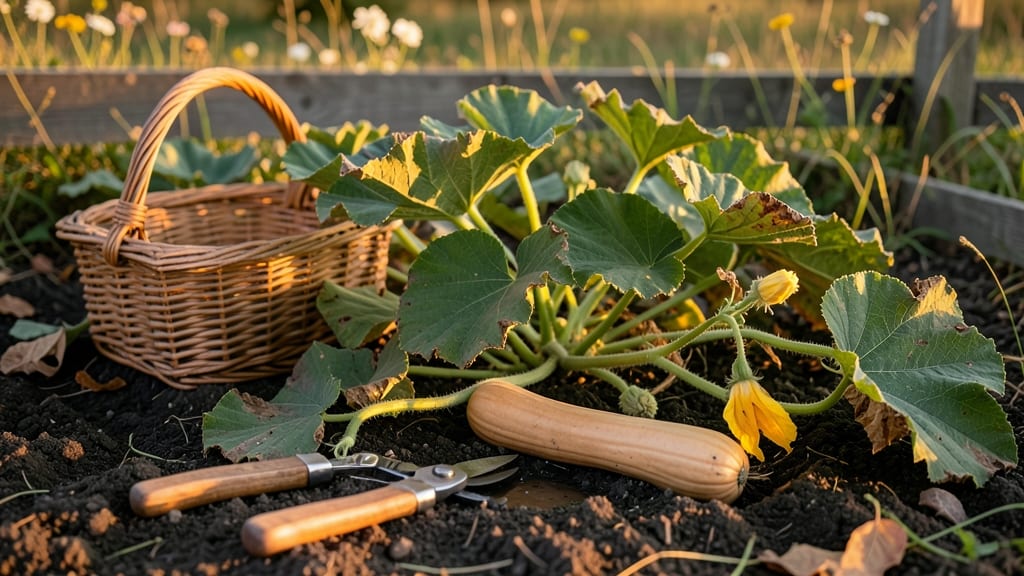
Knowing when to pick butternut squash from your garden ensures a harvest that’s sweet, dense, and full of flavor—not tough or waterlogged.
Harvesting too early means bland, underdeveloped fruit, while waiting too long risks frost damage or a bitter taste. I’ve learned the hard way that missing the window turns a golden harvest into a sad, shriveled mess.
Butternut squash 🎃 thrives in cool fall weather, typically ready between October and November in most regions. Warmer climates may extend the season, while cooler areas need to act before the first frost hits.
Below, I’ll break down the 5 key signs your squash is perfectly ripe—plus how to store it for months of cozy meals ahead.
5 Visual signs your butternut squash is perfectly ripe for harvesting
Nothing beats the satisfaction of harvesting homegrown butternut squash at its peak. Butternut squash ripens gradually, and missing the window means tough, watery flesh instead of the sweet, nutty flavor you crave.
I’ve learned the hard way—overripe squash turns to mush in storage, while underripe ones lack that rich, caramel-like taste. The key is watching for these visual cues that tell you it’s time to pick.
Butternut squash doesn’t ripen further after harvest, so timing is everything. In my Zone 6a garden, I’ve found that late September to early October is prime time, but your local climate may shift this slightly.
Pay attention to these five telltale signs to ensure you harvest at the perfect moment when the flavor and texture are at their best.
- 1 Skin Color Shifts to Deep Tan or Beige: Mature butternut squash develops a rich tan or golden-beige hue. When I see this, I know the chlorophyll has broken down, signaling full maturity. Avoid picking if the skin still has green patches—this means it’s not fully ripe.
- 2 Stem Dries and Withers: The vining stem connecting the squash to the vine will start to dry out and turn brown. If you gently tug on it and it snaps easily, that’s your cue. A green, plump stem means the squash still needs time.
- 3 Skin Hardens Like a Rind: Press your thumbnail into the skin near the stem. If it doesn’t dent or puncture easily, the squash is ready. In my experience, a ripe butternut squash feels almost wood-like when pressed—this hardness protects it during storage.
- 4 Fruit Feels Heavy for Its Size: A ripe squash is denser and heavier than you’d expect. Lift one in each hand—if it feels surprisingly hefty, it’s packed with flavorful flesh. Light squash often means it’s still filling out with water.
- 5 Seeds Inside Are Fully Formed: If you’re unsure, cut one open (save a small sample for cooking!). The seeds should be fully developed and the flesh thick and orange-hued. Thin flesh or undeveloped seeds mean it’s not ready yet.
I always double-check these signs before harvesting, especially in warmer climates where squash can ripen faster. Pro tip: Harvest on a dry morning to let the squash cure properly in a sunny, well-ventilated spot for a few days before storing. This step boosts flavor and extends shelf life.
One year, I picked too early because the skin wasn’t fully tan, and the flavor was mild and watery. Since then, I’ve made it a rule to wait until all five signs are met. Patience pays off—your taste buds (and your Thanksgiving guests) will thank you!
If you’re in a shorter growing season, like Zone 5 or cooler, don’t wait too long—harvest before the first frost. Butternut squash can tolerate light frosts, but freezing temperatures turn the flesh mushy.
In my garden, I always have a backup plan: if frost is forecast, I’ll pick slightly underripe squash and let it cure indoors.
After harvesting, store your squash in a cool, dark place (50–55°F) where it’ll keep for 2–3 months. Avoid refrigeration until it’s fully cured—cold temperatures can shorten its life. With these signs in mind, you’ll never miss the perfect harvest window again!
🎃
How long does it take for butternut squash to mature? (Growth timeline & climate factors)
Butternut squash is a patient plant that rewards gardeners with a bountiful harvest—but only if you know what to expect from its growth timeline. From seed to ripe squash, this vine takes about 80 to 120 days, depending on your climate and growing conditions.
In my experience, cooler regions may stretch this timeline, while warmer climates can speed up ripening. Understanding these stages helps you plan ahead and avoid disappointment when your squash doesn’t mature as quickly as you’d hoped.
Your butternut squash journey begins with germination and early growth, which typically takes 7 to 14 days after planting seeds in warm soil. Once sprouted, the vines spread rapidly, reaching their full 1 to 2-foot height in about 4 to 6 weeks.
This is when you’ll start seeing those telltale yellow flowers—a sure sign your plants are healthy and ready for pollination. Without proper pollination, you won’t get fruit, so keep bees happy with plenty of blooms!
| Stage | Days to Reach | Key Signs | Climate Impact |
|---|---|---|---|
| Germination | 7-14 days | Sprouts appear | Slower in cool soil |
| Vine Establishment | 4-6 weeks | 1-2 ft tall, flowers bloom | Faster in heat |
| Pollination & Fruit Set | 6-8 weeks | Small squash form | Drought stress delays |
| Maturity (Harvest Ready) | 80-120 days | Hard skin, dry stem | Cooler temps slow ripening |
After flowering, your butternut squash enters the fruit development phase, which is where most of the waiting happens. This stage lasts roughly 6 to 8 weeks, during which the squash grows from a golf-ball-sized nub to its full 1 to 3-pound size.
Here’s the kicker: temperature plays a huge role. In my Zone 6a garden, I’ve seen squash mature in as little as 90 days when summer stays warm, but in cooler years, it can drag out to 110 days.
If you’re in a shorter growing season, opt for faster-maturing varieties like ‘Waltham Butternut,’ which ripens in about 85 days.
Don’t overlook the power of sunlight either. Butternut squash thrives with 6+ hours of direct sun daily, but even full sun won’t compensate for cool nights. If your area experiences unseasonable chills, consider using row covers or planting near a south-facing wall to extend the season.
I’ve also found that mulching around the base helps retain soil warmth, which can shave off a few critical days in the ripening process.
By late summer, your squash should be ready for harvest—assuming you’ve given it the right conditions. But here’s a pro tip: harvest before the first frost, even if the squash isn’t fully ripe. Frost turns the flesh mushy and watery, ruining its sweet flavor.
If your squash isn’t ready and frost is looming, you can try picking it early and curing it indoors for a few weeks to improve texture. Just be prepared for a slightly less flavorful result compared to fully field-ripened squash.
Adjusting your expectations based on climate factors is key. In warmer southern climates, you might harvest as early as September, while northern gardeners often wait until October or November.
Pay attention to your local frost dates and plan accordingly. With the right timing and care, your butternut squash will mature just in time for a delicious, homegrown harvest—no waiting game required!