
Tools
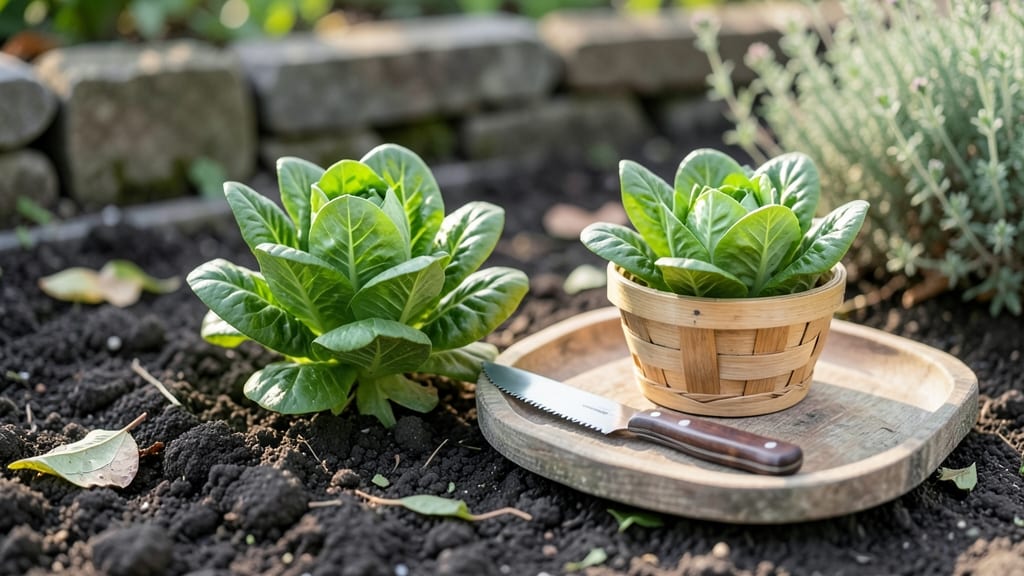
Creating a mobile planter for small spaces lets you "go garden" anywhere by using lightweight containers like fabric grow bags or wooden crates, ensuring proper drainage and nutrient-rich soil. Adding wheels or a stable base lets you reposition plants easily for optimal sunlight exposure.
This approach solves the classic small-space gardening challenge by making your green thumb truly portable. 🌱 The right materials—whether breathable fabric or sturdy wood—keep roots healthy while letting you move plants to follow the sun's path across your yard or balcony.
I've found that adding a slow-release fertilizer to the potting mix eliminates the need for frequent feeding, which is perfect for busy gardeners who want low-maintenance mobility.
What makes this system work so well is the flexibility it offers. You can start with just one planter and expand as your space allows, or create a multi-level mobile setup for vertical gardening.
The key is balancing weight distribution with maneuverability—heavier wooden crates might need larger wheels, while lightweight fabric pots can be moved by hand.
💡 In This Article
- Choosing Materials for Durable Mobile Planters
- Designing a Mobile Planter for Sunlight and Accessibility
Choosing materials for durable mobile planters
The material you choose for your mobile planter directly impacts plant health, ease of movement, and longevity. Fabric grow bags, for example, weigh about 2-3 pounds per cubic foot when empty, making them ideal for small spaces where lifting isn't an issue.
Their porous nature allows roots to breathe while preventing waterlogging—a critical factor for root health in confined spaces. The breathability also reduces the risk of fungal diseases that thrive in stagnant, moist environments.
Wooden crates offer a more substantial, decorative option but require careful sealing to prevent rot. Untreated pine crates weigh roughly 5-7 pounds per cubic foot when empty, which means you'll need larger wheels (at least 4-inch diameter) for smooth mobility.
The natural wood texture adds aesthetic appeal but demands regular maintenance—sanding and resealing every 1-2 years to protect against weather damage. For urban balconies, cedar is my top recommendation due to its natural rot resistance and pleasant aroma.
Plastic containers strike a balance between weight and durability, typically weighing 1-2 pounds per cubic foot but lacking the breathability of fabric. This makes them better suited for plants that prefer consistent moisture, like lettuce or herbs.
The downside? Plastic can trap heat in sunny conditions, potentially stressing heat-sensitive plants. I've found that adding a 1-inch layer of perlite to the soil mix helps improve aeration and temperature regulation in plastic planters.
Consider these key factors when choosing:
- Weight: Fabric (2-3 lbs/cu ft) is easiest to move manually, while wood (5-7 lbs/cu ft) needs wheels or a dolly
- Drainage: Fabric and wood require pre-drilling holes, while many plastics come pre-drilled
- Longevity: Plastic lasts 5+ years with proper UV protection, wood 3-5 years with maintenance, fabric 1-2 years unless reinforced
The right material also affects how you'll use your planter. Fabric bags excel for herbs and leafy greens that need frequent harvesting, as their flexibility makes accessing plants easier. Wooden crates shine for tomatoes and peppers that benefit from sturdy support and decorative appeal. Plastic containers work best for root vegetables like radishes or carrots, where you can see the soil level through the walls.
What most people overlook is how material choice affects soil temperature. Dark-colored plastic can raise soil temps by 5-10°F compared to lighter materials, which is crucial for heat-loving plants like basil.
I've seen this firsthand when growing peppers—those in black plastic containers ripened 2 weeks earlier than identical plants in white fabric pots during summer months. This thermal difference can mean the difference between a bountiful harvest and struggling plants.
For small-space gardeners, the best approach is often a hybrid system: use fabric for frequently moved plants, plastic for moisture-sensitive varieties, and wood for decorative centerpieces that stay in one place. This way, you get the benefits of each material without compromising mobility or plant health. 🌿