Tools
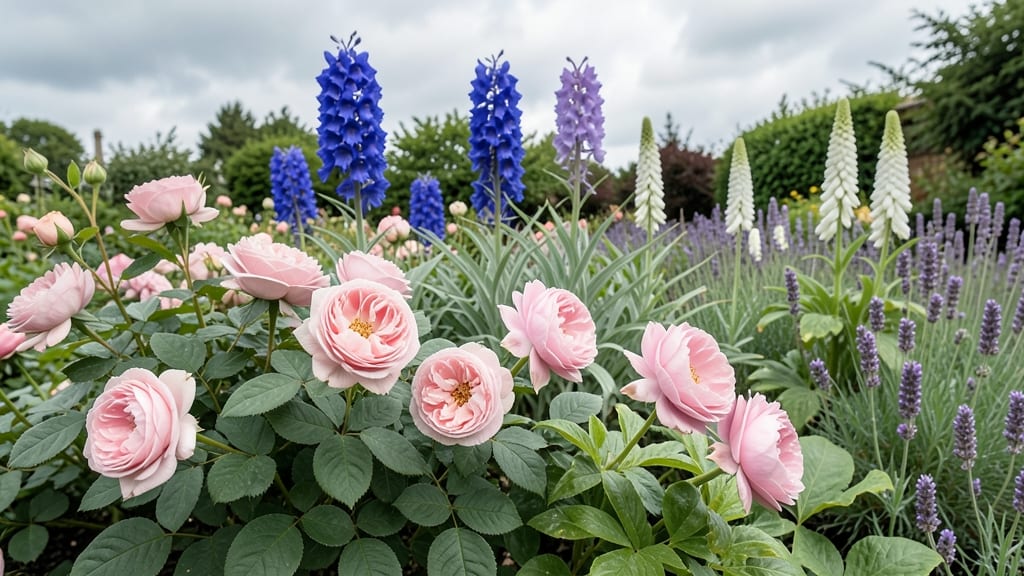
Creating a fairytale garden transforms your backyard into a living storybook. ✨ I stumbled upon this concept after visiting a cottage garden that looked like it belonged in a children's tale—twisting vines, glowing lanterns, and flowers that seemed to whisper.
The magic isn’t just in the plants but in how they’re arranged to tell a story through every season.
You don’t need acres or a budget to start—just a few key elements. Think winding paths lined with tiny white flowers, a seating area draped in ivy, and containers filled with foxgloves or moonflowers that bloom at dusk.
The secret lies in layering textures: soft moss underfoot, rustic stone borders, and wind chimes that hum like a fairy’s lullaby. Even small spaces can feel enchanted with the right touches.
By summer’s end, you’ll have a garden that feels like stepping into a book—where every corner reveals something new. The scent of night-blooming jasmine at twilight or the crunch of gravel paths underfoot creates an immersive experience. This isn’t just decoration; it’s a place where memories grow alongside the flowers.
Works for any climate, from coastal gardens to mountain retreats. The framework stays the same—just swap plants for your zone. Let’s bring the magic home, one layer at a time.
📚 In This Guide
- What you need
- Instructions
- Tips and common mistakes
- Wrapping up and next steps
What you need
- ● Plants: 2-5 Fairy Tale-inspired trees (e.g., weeping willow, Japanese maple, or ornamental cherry)
- ● 10-15 Perennial flowers (e.g., peonies, roses, lavender, or foxgloves for vertical drama)
- ● 3-5 Foliage plants (e.g., hostas, ferns, or variegated ivy for texture)
- ● 5-10 Climbing vines (e.g., clematis, wisteria, or jasmine for trellises or arbors)
- ● 1-2 Whimsical ground covers (e.g., creeping thyme, moss, or Liriope for pathways)
- ● Structures & Decor: 1-2 Arbors or pergolas (wooden or metal, 6-8 ft tall)
- ● 3-5 Garden ornaments (e.g., toadstools, gnomes, or mosaic stepping stones)
- ● 10-20 Fairy lights or solar-powered lanterns (for magical evening glows)
- ● 5-10 Decorative pots (mix of ceramic, terracotta, and woven baskets)
- ● Pathways & Borders: 50-100 ft of gravel or mulch (for pathways or borders)
- ● 10-15 stone edging (e.g., slate or flagstone tiles)
- ● Hand Tools: 1 Garden trowel (for planting)
- ● 1 Pruners (bypass for clean cuts)
- ● 1 Garden fork (for aerating soil)
- ● 1 Rake (for leveling and mulching)
- ● 1 Hoe (for weeding)
- ○ Power Tools (Optional but Helpful): 1 String trimmer (for edging)
- ● 1 Wheelbarrow (for transporting materials)
- ● 1 Post hole digger (for arbors or trellises)
- ● Safety Gear: 1 pair gloves (garden-specific)
- ● 1 sunscreen (SPF 30+)
- ● 1 water bottle (hydration is key!)
- ● Location: Sunlight assessment: 6+ hours/day for sun-loving plants, partial shade for delicate varieties.
- ● Space: Minimum 10x10 ft for a starter fairytale corner; expand as desired!
- ● Soil Prep: Test soil pH (ideal range: 6.0-7.0) and amend with compost or peat moss if needed.
- ● Remove weeds or grass (solarization or smothering method recommended).
- ● Permits (Check Local Laws): Permits may be required for structures like arbors or pergolas over a certain height.
- ● 1 Wind chime or singing bowl for enchanting sounds
- ● 5-10 Hand-painted garden signs (whimsical quotes or plant names)
- ● 1 Mini water feature (e.g., a small fountain or bubbling stone)
- ● Seasonal decor: Pumpkins (fall), snowflakes (winter), or butterfly houses (spring)
Instructions for crafting your own enchanted garden layers
Let’s build a magical garden that feels like stepping into a storybook—layer by layer.
🌿 Step 1: Plan Your Foundation with Structural Plants
Start with your tallest plants—the backbone of the fairytale effect. I like to use ornamental grasses, small trees, or shrubs like dwarf conifers or flowering cherries for height and drama. These should be spaced 6-8 feet apart to create a sense of depth and grandeur. Think of them as the castles and towers in your garden’s story.
Dig holes twice as wide as the root ball and mix the backfill soil with a handful of slow-release fertilizer to give them a strong start. Water deeply after planting to settle the soil around the roots. This ensures stability, so your "structures" don’t topple like a fairytale villain’s tower.
🪴 Step 2: Add Mid-Layer Plants for Texture and Color
Now, fill in the middle ground with shrubs, perennials, and ornamental plants like hydrangeas, lavender, or boxwood. These create the "villages" and "gardens" in your enchanted world. Space them 3-4 feet apart to allow airflow and prevent overcrowding—you want your garden to thrive, not look like a tangled thicket.
Plant these in clusters of 3-5 plants for a natural, storybook feel. Use the potting mix you’ve prepared to fill the holes, pressing gently to remove air pockets. Water again to help the soil settle, and mulch around the base with 2-3 inches of shredded bark to keep moisture in and weeds out. This layer is where your garden’s personality shines.
✂️ Step 3: Weave in Ground Covers and Low-Growing Plants
For the final layer, choose ground covers, bulbs, or low-growing perennials like creeping thyme, ajuga, or spring bulbs to fill the spaces between plants. These create the "meadows" and "flowering paths" that make your garden feel alive and magical. Spread them evenly, leaving 12-18 inches between clusters to avoid competition.
Water lightly after planting to encourage roots to establish quickly. This layer is all about softness and movement—think of it as the wildflowers dotting the paths in a fairytale. If you’re using bulbs, plant them in groups of 5-7 for a dramatic, natural look. Over time, this layer will fill in beautifully, tying everything together.
☀️ Step 4: Enhance with Whimsical Touches
Now, it’s time to add the magic. Scatter fairy lights, solar-powered garden stakes, or decorative stones to create focal points. I like to place small birdhouses, wind chimes, or painted garden markers to tell a story—maybe a "Welcome to the Enchanted Forest" sign or a tiny "Dragon’s Lair" marker for a playful touch.
Don’t forget the seasonal elements—add pumpkins in fall, winter wreaths, or spring-flowering bulbs to keep the magic alive year-round. These little details make your garden feel like a living story, not just a collection of plants. The goal here is to make it feel like a place where anything could happen.
Tips & tricks for perfect enchanted garden layers
Creating a fairytale garden isn't about perfection—it's about storytelling through plants and details. Here's what I've learned to bring that magical balance to every layer.
The Foundation Factor: When planting your structural plants in Step 1, take an extra moment to check soil drainage before adding slow-release fertilizer. I've seen too many "castles" (dwarf conifers) topple because the soil was too compacted. A simple finger test—press your finger into the soil—will tell you if it's ready. For extra stability, mix in a handful of compost to the backfill soil. This creates a stronger base that won't settle unevenly over time.
Clustering Magic: In Step 2, resist the urge to space those 3-5 plant clusters too far apart. The real enchantment comes from how they interact with each other. I like to plant hydrangeas in odd-numbered groups (3 or 5) with lavender at their base—this creates natural height variation that feels organic, like a storybook village. The key is to leave just enough space between clusters (about 2 feet) so they'll eventually touch, creating that lush, fairytale forest effect.
Seasonal Layering Strategy: For Step 3, think about your garden's year-round story when choosing ground covers. I always include creeping thyme (for summer fragrance) alongside spring bulbs (like daffodils) that'll bloom before the thyme fills in. This creates visual interest in every season. Pro tip: Plant your spring bulbs in late fall—they'll establish roots over winter and surprise you with early spring blooms that feel like magic appearing overnight.
Whimsy with Purpose: In Step 4, those decorative stones and painted markers are more than just decorations. Place them to create visual pathways through your garden. I like to use solar-powered stakes to mark "paths" between plant clusters, guiding visitors through the story. For extra magic, add a few unexpected elements like a tiny mushroom garden marker or a "Fairy Crossing" sign—these become the plot twists in your garden's narrative.
Pro Tips for The Fairytale Garden
- Creating a fairytale garden isn't about perfection—it's about storytelling through plants and details.
- The Foundation Factor: When planting your structural plants in Step 1, take an extra moment to check soil drainage before adding slow-release fertilizer.
- Clustering Magic: In Step 2, resist the urge to space those 3-5 plant clusters too far apart.
Frequently asked questions
Got questions about transforming your space into a fairytale garden? You’re not alone! Here are some of the most common inquiries—and their magical solutions.
What’s the best time of year to start a fairytale garden?
The ideal time depends on your climate, but spring (after the last frost) is perfect for planting perennials, shrubs, and trees. For containers or annuals, early summer lets you enjoy blooms all season. Pro tip: Start small! Even a single enchanted corner (like a toadstool planter or fairy door) can spark joy year-round.
How do I keep my fairytale garden low-maintenance?
Opt for native plants (they thrive with minimal care) and mulch generously to suppress weeds. Use self-watering planters or drought-tolerant succulents for whimsical accents. Group plants by water needs to simplify irrigation. A few hours of weekly tending keeps the magic alive without the hassle!
Can I create a fairytale garden on a budget?
DIY decor like painted rocks, upcycled teacups, or driftwood arches add charm for pennies. Thrift stores and flea markets are goldmines for vintage treasures. Focus on free nature elements—twisted branches, moss, and wildflowers elevate any space. Even a single fairy door on a fence can spark wonder!
How do I protect my garden from pests without chemicals?
Embrace natural deterrents: Plant marigolds or lavender near veggies to repel bugs, and use neem oil or soapy water sprays for targeted treatment. Invite predator insects like ladybugs (they love aphids!). A chicken wire barrier around delicate plants keeps critters at bay without harm.
What’s the most magical addition for a nighttime fairytale garden?
Soft solar-powered fairy lights or glow-in-the-dark plants (like certain mushrooms or bioluminescent moss) transform your garden into a moonlit wonderland. Add reflective surfaces—mirrored stepping stones or a small pond—to amplify the glow. Even lanterns with tea lights create enchanting pathways!
Wrapping up and next steps
The Fairytale Garden isn’t just a dream—it’s a doable masterpiece waiting to bloom in your own backyard! 🌸 From whimsical pathways to ever-blooming layers, this design proves magic thrives in planning, patience, and passion. Whether you’re a seasoned gardener or a curious beginner, every shovel of soil brings you closer to your own enchanted escape.
Ready to turn your vision into reality? Start small—sketch your first layer today—and let the magic unfold, one season at a time. Your garden’s fairytale awaits! ✨