
Tools
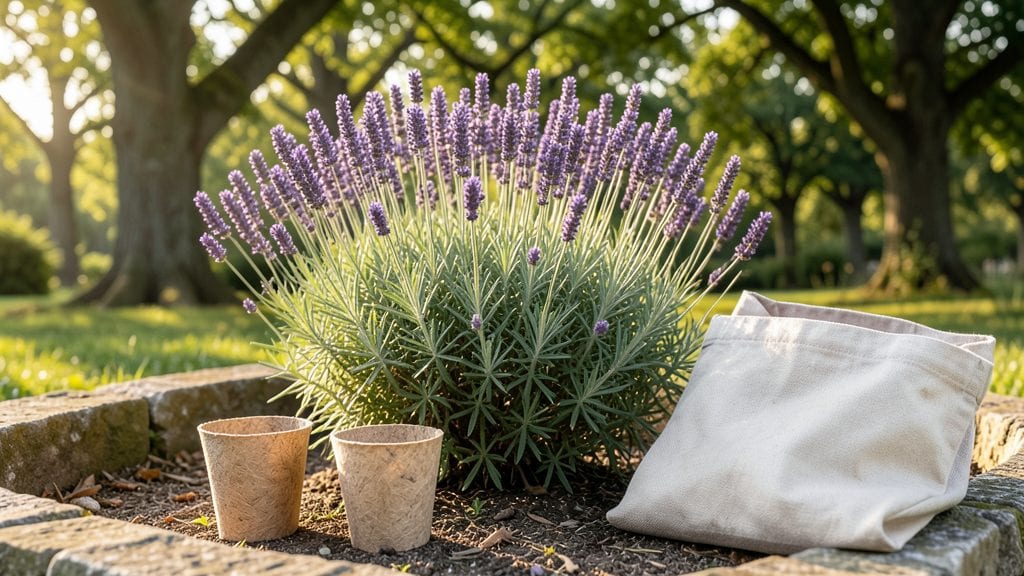
My sustainable garden supplies checklist starts with tools that outlast plastic and metal junk—think bamboo stakes, recycled aluminum pruners, and cork weed barriers that break down naturally.
I swapped out my old gear after realizing how much trash gardening creates, and now my tools feel like extensions of my hands, not disposable afterthoughts.
These eco-friendly choices don’t just save landfills—they save money too. A $25 bamboo rake lasts years, while cheap plastic ones bend after one season. Organic mulch from your own compost pile replaces plastic sheets, and rain barrels cut water bills by 50% in dry months.
The best part? Your soil thrives because you’re feeding it, not poisoning it.
You’ll notice the difference immediately: gardens using sustainable supplies grow healthier, faster, and with fewer pests. The air smells cleaner, the soil stays loose longer, and you’ll actually enjoy the process instead of dreading another trip to the hardware store.
Plus, your neighbors might start asking for your secret—because nothing beats a garden that works with nature.
Whether you’re starting fresh or upgrading, these tools adapt to any space. A small balcony can use recycled containers, while a backyard can add a DIY compost bin or solar-powered lights. The key is starting small—one tool, one material at a time—and watching your garden (and conscience) flourish together.
📚 In This Guide
- What you need
- Instructions
- Tips and common mistakes
- Wrapping up and next steps
What you need
- ● Organic Compost – 5-10 gallons (homemade or store-bought, certified OMRI-listed)
- ● Natural Mulch – 2-3 cubic feet (wood chips, straw, or leaves from sustainable sources)
- ● Seeds or Seedlings – Native or heirloom varieties (choose non-GMO, organic-certified where possible)
- ● Reusable Planters – 2-4 units (clay pots, wooden crates, or recycled plastic containers)
- ● Hand Tools: Bamboo or recycled-metal trowel
- ● Ergonomic pruners (stainless steel or recycled aluminum)
- ● Compost fork (for turning compost piles)
- ● Watering System – Drip irrigation kit or rainwater collector (solar-powered pumps are a great upgrade!)
- ● Soil Amendments – 1-2 bags (worm castings, kelp meal, or bone meal for organic nutrition)
- ● Solar-Powered Lights – For evening garden visibility without electricity
- ● Upcycled Garden Markers – Use recycled glass bottles or wooden spoons instead of plastic tags
- ● DIY Pest Deterrents – Neem oil, garlic spray, or companion planting kits
- ● Compost Bin – 1-2 units (made from reclaimed wood or a tumbler system)
- ● Rain Barrel – 50+ gallon capacity (to collect and reuse rainwater)
Step-by-step guide to building a sustainable garden toolkit
Creating a garden that thrives without harming the planet starts with the right tools. Here’s how to assemble a set of supplies that work hard and last for years.
Choose Durable, Natural Materials
Start with tools made from recycled metals, bamboo, or untreated wood—these materials break down safely and often outlast plastic alternatives. Look for compostable handles or heavy-duty steel pruners, which resist rust and sharpness loss over time. I’ve found that bamboo tools, like rakes and hoes, are lightweight yet sturdy, and their natural antibacterial properties prevent mold buildup.
Skip anything with synthetic coatings or non-recyclable plastics. Even small items like seedling trays should be made from biodegradable or reusable materials—like coconut coir pots or ceramic containers. These choices reduce landfill waste while keeping your garden efficient. Check labels for certifications like FSC (Forest Stewardship Council) or BPA-free to ensure long-term sustainability.
Invest in Multi-Use Tools
Avoid buying single-purpose gadgets that clutter your shed and end up unused. Instead, prioritize tools like a foldable garden fork that can aerate soil, transplant seedlings, and even mix compost. A high-quality trowel with a serrated edge doubles as a weeder and soil scraper, while a long-handled pruner can trim both low bushes and high tree branches.
I keep a small caddy (preferably made from recycled plastic or metal) to organize my essentials: a copper watering can (which prevents algae growth), a wooden-handled hoe, and a reusable spray bottle for organic pesticides. This setup cuts down on storage space and reduces the temptation to buy unnecessary tools. Think about how each item serves multiple functions—your garden (and wallet) will thank you.
Source Secondhand or Upcycle Existing Tools
Before buying new, check local buy-nothing groups, thrift stores, or online marketplaces for gently used tools. Many gardeners upgrade their equipment yearly and sell perfectly good items at a fraction of the cost. I’ve salvaged cast-iron watering cans, wooden stakes, and even vintage pruners that still perform like new after decades of use.
If a tool is beyond repair, get creative. An old ladder can become a trellis, and broken terracotta pots can be repurposed as seed starters or plant saucers. Even glass jars from your kitchen can serve as mini greenhouses or compost bins. This step not only saves money but also keeps materials out of landfills. Just give tools a quick clean with vinegar and water to remove old grime before use.
Maintain Tools for Longevity
Proper care extends the life of your tools significantly. After each use, wipe down metal parts with a dry cloth to prevent rust, and store them in a dry place—like a shed or garage. For wooden handles, apply a natural oil like linseed or coconut oil every few months to keep them from cracking. I also keep a small bucket of sand near my tool storage; burying tools in sand over winter prevents rust and keeps them sharp.
Sharpen blades regularly with a file or whetstone—dull tools require more force, which can damage plants and wear out the tool faster. For pruners, I like to hone them after every 5-10 cuts to maintain precision. Label each tool with its name and care instructions (like "Oil handles annually") so anyone using them knows how to preserve them. A little maintenance goes a long way in keeping your toolkit functional for seasons to come.
Reduce Waste with Reusable Supplies
Swap disposable supplies for reusable ones wherever possible. Replace plastic twine with jute or hemp twine, which composts naturally and is stronger for tying plants. Use cloth grow bags instead of plastic pots—they’re breathable, reduce transplant shock, and can be composted after use. Even mulch can be sourced sustainably: collect fallen leaves, grass clippings, or straw from local farms to enrich your soil without buying bags of synthetic materials.
For fertilizers, opt for compost tea, worm castings, or homemade liquid feeds instead of chemical packets. I keep a small compost bin near my garden to turn kitchen scraps and yard waste into nutrient-rich soil amendments. This closed-loop system means nothing goes to waste, and your plants get the best possible food. Small shifts like these make a big difference in reducing your garden’s environmental footprint.
Tips & tricks for perfect sustainable garden supplies
A few thoughtful strategies will help you build a toolkit that lasts for years while keeping your garden eco-friendly. These practical tips will save you money and reduce waste.
Material Selection: When choosing tools, prioritize those with certifications like FSC or BPA-free labels. These certifications guarantee the materials are responsibly sourced and safe for both your garden and the environment. For example, bamboo tools not only break down naturally but also resist mold better than many plastic alternatives. I've found that untreated wood handles last longer when properly maintained, so always check for natural finishes without synthetic coatings.
Tool Organization: Use a small caddy made from recycled materials to keep your essential tools together. This practice prevents clutter and makes it easier to maintain your tools regularly. I organize my caddy with a copper watering can, a wooden-handled hoe, and a reusable spray bottle. The copper watering can, in particular, prevents algae growth, which is a common issue with plastic alternatives. Keeping tools organized also makes it easier to spot when maintenance is needed.
Upcycling Creativity: Don't overlook the potential of repurposing old items. An old ladder can become a sturdy trellis, and broken terracotta pots can serve as seed starters or plant saucers. This approach not only saves money but also keeps materials out of landfills. Before repurposing, give tools a quick clean with a vinegar and water solution. This simple step removes old grime and prepares them for their new life in your garden.
Maintenance Routine: Establish a regular maintenance schedule for your tools. After each use, wipe down metal parts with a dry cloth to prevent rust, and store tools in a dry place like a shed or garage. For wooden handles, apply a natural oil like linseed or coconut oil every few months. I also keep a small bucket of sand near my tool storage to bury tools in during winter, which prevents rust and keeps them sharp. Labeling each tool with its name and care instructions ensures everyone knows how to preserve them properly.
Pro Tips for Sustainable Garden Supplies
- A few thoughtful strategies will help you build a toolkit that lasts for years while keeping your garden eco-friendly.
- Material Selection: When choosing tools, prioritize those with certifications like FSC or BPA-free labels.
- Tool Organization: Use a small caddy made from recycled materials to keep your essential tools together.
Frequently asked questions
Got questions about sustainable garden supplies?
You’re not alone! Here are answers to some of the most common queries to help you make eco-friendly choices that last.
What are the most durable sustainable garden supplies?
Look for tools made from recycled aluminum, bamboo, or stainless steel. Brands like Fiskars or Gardeners.com offer high-quality, long-lasting options. Avoid plastic—opt for compostable or reusable materials instead.
How long do sustainable garden supplies last compared to conventional ones?
With proper care, sustainable tools can last 5–10 years or longer—far outlasting cheap plastic alternatives. Investing in quality reduces waste and saves money over time. Bonus: Many brands offer warranties!
Are sustainable garden supplies more expensive upfront?
Yes, but they’re a cost-effective long-term choice. For example, a bamboo rake may cost $20 vs. $5 for plastic, but it won’t break after a season. Pro tip: Check for sales or secondhand options!
Can I DIY sustainable garden supplies at home?
Try upcycling old wooden pallets, tin cans, or glass jars into planters or seed starters. Websites like Pinterest have free DIY guides for creative, zero-waste solutions.
How do I maintain sustainable tools to extend their lifespan?
Clean tools with soapy water (no harsh chemicals!), dry them thoroughly, and store them in a dry place. Sharpen metal blades regularly, and apply beeswax or coconut oil to wooden handles to prevent cracking.
Wrapping up and next steps
Creating a sustainable garden isn’t just about growing plants—it’s about nurturing the planet, one eco-friendly choice at a time. 🌱 By investing in durable, non-toxic, and responsibly sourced garden supplies, you’re reducing waste, saving money, and supporting a healthier ecosystem.
Whether you’re swapping plastic pots for biodegradable alternatives or choosing tools made from reclaimed wood, every small step makes a big difference.
Ready to take the next step? Start with one sustainable swap—like replacing disposable mulch with compost or upgrading to a long-lasting ergonomic tool—and watch how your garden (and the Earth) thrive! 🌍✨