Pests
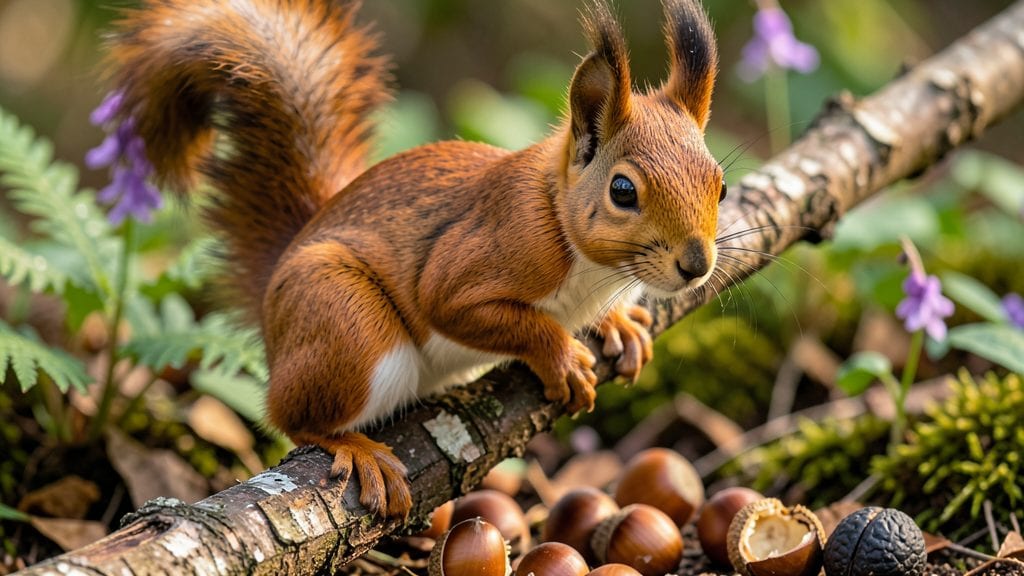
Turn your squirrel outdoor garden into a squirrel magnet—then watch them vanish from your prized plants forever. stop raiding your prized veggies.
Start with their favorite snacks: native black walnut trees, hazelnut bushes, and berry-producing shrubs like serviceberry or elderberry. Add a small brush pile for shelter and a shallow birdbath for water—squirrels will flock to this "buffet" instead of your garden.
The key is placement: position their habitat at least 20 feet from your veggies and wrap the area in 6-foot tall fencing to contain the chaos.
Within weeks, you’ll notice fewer frantic raids on your tomatoes and peppers. The squirrels stay busy in their own zone, and your garden thrives without the constant battle. Plus, you’ll get to watch these energetic creatures up close—it’s oddly satisfying.
Works in any yard size and adapts to different climates. The only real requirement? Patience while they discover their new home. Here’s how to set it up right the first time.
The Real Reasons Squirrels Invade Gardens
Squirrels aren’t just cute, bushy-tailed visitors—they’re opportunistic foragers with sharp instincts. Understanding why they target your outdoor garden is the first step to outsmarting them. Here’s a breakdown of the key triggers, backed by science and actionable insights.
Squirrels are omnivorous generalists, meaning they’ll eat almost anything—especially when natural food sources dwindle.
In urban and suburban areas, their wild diet (nuts, seeds, fungi, insects, and even bird eggs) is often replaced by human-provided snacks like: - Birdseed (a squirrel’s all-you-can-eat buffet) - Pet food (left out bowls are a magnet) - Fruits and veggies (ripe tomatoes, corn, and berries are irresistible)
Why it matters: When squirrels deplete local food sources (like acorns in fall), they’ll raid gardens for easy calories. A study in Urban Wildlife Journal found that squirrels prefer high-energy, soft foods—like unprotected garden produce—over harder-to-crack nuts.
Actionable fix:
- Remove attractants by storing birdseed in squirrel-proof feeders (with baffles) or switching to nyjer seed, which they dislike.
- Harvest crops promptly—don’t leave fallen fruit or overripe veggies on the ground.
- Use repellents like hot pepper wax (capsaicin deters them) or garlic-based sprays (the smell masks food odors).
Squirrels aren’t just eating—they’re building. In spring and summer, they seek materials for nests, including:
- Soft garden soil (for burrowing)
- Mulch or shredded bark (for insulation)
- Young plants or bulbs (as nesting padding)
Why it matters: Eastern gray squirrels, for example, may dig up tulip bulbs or hosta roots not just for food, but to line their dreys (nests). A Journal of Mammalogy study noted that female squirrels are especially aggressive about protecting nesting sites, even attacking pets or humans who get too close.
Actionable fix:
- Secure soil with hard landscaping (gravel, rocks, or edging) around high-value plants.
- Choose squirrel-resistant plants like daffodils (toxic to squirrels) or alliums (strong scent deters them).
- Install nest boxes away from your garden to redirect their building urges.
Squirrels are highly intelligent—their brains are proportionally larger than a dog’s, and they’re excellent at trial-and-error learning. If they find one way into your garden (like chewing through a trellis or lifting a pot), they’ll share the strategy with their colony.
Why it matters:
- Social learning: Squirrels mimic each other. If one figures out how to open a compost bin, the whole neighborhood will follow.
- Tool use: Some species (like red squirrels) use sticks or rocks to pry open garden tools or containers.
- Memory: They recall spatial layouts—if they find a hidden stash of seeds in your raised bed, they’ll return daily.
Actionable fix:
- Eliminate easy access points—secure trash cans with bungee cords, cover compost piles with hardware cloth, and weight down containers.
- Use motion-activated sprinklers (like the ScareCrow)—squirrels hate unexpected water blasts and learn to avoid the area.
- Rotate deterrents (e.g., move repellent stations weekly) to prevent them from adapting.
Squirrels experience cyclical food shortages, making your garden a moving feast at certain times:
- Late winter/early spring: Natural food is scarce; they raid bulbs, stored nuts, and birdseed.
- Fall: They over-eat to prepare for winter, leading to bulb theft and chewed bark (for calcium).
- Breeding season (spring/summer): Females need extra protein, so they target young shoots, bird eggs, and even pet food.
Why it matters: Their metabolic needs spike during these periods, making them bolder and more persistent.
Actionable fix:
- Time your planting—avoid leaving vulnerable crops (like corn or peas) exposed during peak seasons.
- Use decoy plants (like sunflowers) far from your garden to distract them with an easier target.
- Apply deterrent sprays (like rotten egg solution) in fall and spring when they’re most active.
As human development encroaches, squirrels lose forests and wooded areas, forcing them to adapt to urban gardens.
This leads to: - Increased competition for food, making them more aggressive. - Less fear of humans—they associate gardens with easy meals, not predators. - Higher populations in suburban areas (some cities now have 5–10 times the natural squirrel density).
Why it matters: A Wildlife Society Bulletin study found that urban squirrels live longer and reproduce more than their wild counterparts—giving them more time to raid your garden.
Actionable fix:
- Support local wildlife corridors (plant native trees/shrubs away from your veggies).
- Install squirrel-proof fencing (1/4-inch mesh buried 12 inches deep) to block access.
- Encourage natural predators (like owls or hawks) by installing perches or nesting boxes—their presence alone can deter squirrels.
Squirrels invade gardens for food, shelter, and survival—and their intelligence makes them relentless. The good news? Understanding their motives lets you outsmart them with targeted, science-backed solutions.
Start by removing attractants, blocking access points, and disrupting their patterns**—and you’ll reclaim your garden, one squirrel-free season at a time. 🚀
How to Keep Squirrels Out
Squirrels may be adorable, but they can wreak havoc on your outdoor garden—digging up bulbs, nibbling on seeds, and even stealing your harvest. The good news? There are effective, humane, and long-term solutions to protect your plants without resorting to traps or harm.
Below, we break down common squirrel behaviors and the best fixes to stop them in their tracks, along with prevention tips to keep your garden squirrel-free for good.
Why it happens: Squirrels bury food (like acorns, seeds, or even your newly planted bulbs) for later—only to forget where they hid them. When spring comes, they dig up everything in search of their stash, leaving your garden looking like a war zone.
🔥 Fix: Secure Planting Zones & Use Physical Barriers
- 👨🍳 Plant in Wire Cages or Mesh Pots
- Use hardware cloth (1/4-inch mesh) or plastic bulb cages to encase bulbs before planting.
Squirrels can’t dig through it, but roots can still grow. - Pro tip: Bury the mesh at least 6 inches deep and extend it 4 inches above soil level to prevent them from reaching in.
- 🥘 Use Raised Beds with Deep Edges
- Squirrels struggle to climb or dig into raised garden beds with 12+ inch walls. Line the bottom with landscape fabric to deter digging.
- Bonus: Add gravel or sharp-edged rocks around the base—they hate the texture!
- 🔪 Scatter Fake Acorns or Distracting Bait
- Place plastic acorns or pinecones around your garden’s perimeter. Squirrels will dig there instead of your plants.
- Warning: Avoid real food—it encourages them to stick around!
Why it happens: Squirrels are opportunistic eaters. If they spot tender seedlings, they’ll munch them down before they even get a chance to grow.
🍳 Fix: Protect Sprouts with Natural Deterrents
- 🌡️ Spray with Hot Pepper or Garlic Solution
- Mix 1 tbsp cayenne pepper + 1 tbsp garlic powder + 1 quart water, let it steep overnight, then spray on plants. Reapply after rain.
- Why it works: The strong scent repels squirrels without harming plants.
- 🎯 Cover Seedlings with Row Covers or Cloche
- Use lightweight frost cloth or mesh covers to shield new shoots. Secure edges with bricks or rocks so squirrels can’t lift them.
- Quick fix: Repurpose old plastic bottles (cut in half) as mini cloches over vulnerable plants.
- ✨ Plant Squirrel-Repellent Herbs Nearby
- Squirrels hate the smell of daffodils, alliums, and lavender. Interplant these around your garden to create a natural barrier.
- Bonus: These herbs also attract pollinators while keeping squirrels away!
Why it happens: Once your tomatoes, berries, or corn ripen, squirrels will raid your harvest faster than you can pick them.
🔪 Fix: Harvest Strategically & Use Squirrel-Proofing Tricks
- 📊 Pick Fruits Early & Often
- Squirrels target ripe, easy-to-reach produce.
Harvest first thing in the morning before they wake up. - Pro tip: If you have cherry tomatoes or berries, try hanging baskets—squirrels can’t climb them easily.
- 🥗 Use Netting or Bird Netting
- Drape fine mesh netting over fruit trees, berry bushes, and vine crops. Secure it tightly so squirrels can’t chew through.
- DIY hack: Stretch old t-shirts or pantyhose over small plants as a temporary barrier.
- 💡 Set Up a Squirrel Distraction Station - Place a separate squirrel feeder filled with sunflower seeds or peanuts far from your garden.
This gives them an alternative food source and reduces raids. - Warning: Keep it at least 50 feet away—otherwise, they’ll just hop back to your garden!
To keep squirrels out for good, combine these low-effort, high-impact strategies:
- 🌡️ Remove Attractants
- Clean up fallen fruit, seeds, and nuts regularly. A clutter-free yard = less temptation.
- Avoid feeding birds near your garden—squirrels will follow the birdseed.
- 🎯 Make Your Garden Unappealing
- Mulch heavily (squirrels dislike deep mulch layers).
- Plant dense shrubs around the perimeter—they hate tight spaces and will avoid them.
- 🔥 Use Motion-Activated Sprinklers
- Devices like the Orbit Enforcer spray water when they approach. No harm, just surprise!
- Best for: Large gardens where squirrels are persistent.
- ✨ Try Ultrasonic Repellents (With Caution)
- Some gardeners swear by ultrasonic spikes or emitters, but results vary. Test in a small area first.
Final Thought: Squirrels are clever, but you’re cleverer. By combining physical barriers, scent deterrents, and smart planting, you can outsmart them and enjoy a squirrel-free, thriving garden all season long! 🌱🚫🐿️
Frequently asked questions
What are the best squirrel-resistant plants for an outdoor garden?
Focus on plants squirrels dislike due to scent or texture. Daffodils, alliums, and lavender work well as natural repellents. For edibles, try peppers (they hate the heat) or artichokes (spiky leaves deter them). Native plants like serviceberry or black walnut can also redirect squirrels to your designated habitat zone.
How do I create a squirrel habitat to keep them away from my garden?
Set up a dedicated feeding/shelter area 20+ feet from your garden using native plants like hazelnut bushes or berry-producing shrubs. Add a shallow water source (like a birdbath) and a brush pile for nesting. Surround the area with 6-foot tall fencing to contain them—this gives squirrels their own space while protecting your plants.
Will motion-activated sprinklers really work against squirrels?
Yes! Devices like the Orbit Enforcer spray a sudden burst of water when they approach. Squirrels hate the surprise and will avoid the area. For best results, place multiple units around garden edges and recharge batteries monthly. The key is consistency—they learn to associate the area with discomfort.
Can I use hot pepper spray on my vegetable garden safely?
but test a small area first. Mix 1 tbsp cayenne pepper + 1 tbsp garlic powder + 1 quart water, let it steep overnight, then spray on leaves. Reapply after rain. The capsaicin doesn't harm plants but creates an unpleasant scent that squirrels avoid. Reapply every 3-5 days for best results during peak squirrel activity (spring/fall).
How deep should I bury hardware cloth to protect bulbs?
Bury hardware cloth (1/4-inch mesh) at least 6 inches deep around bulb planting areas, extending 4 inches above soil level. This prevents squirrels from digging through. For extra protection, add a second layer of mesh if your garden has persistent squirrel problems. The mesh should be buried beyond their digging depth (typically 12 inches total).