
Pests
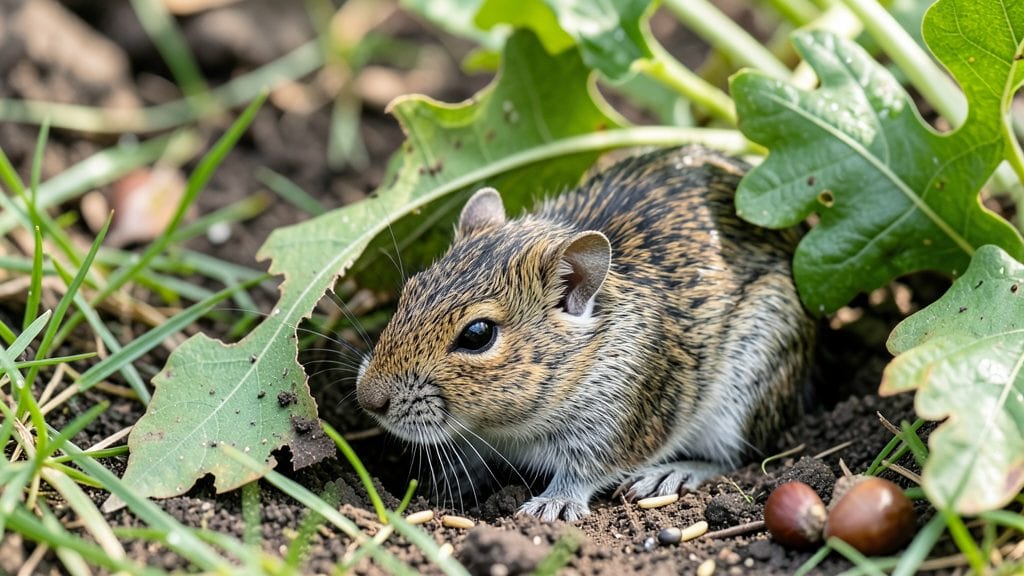
The squirrel damage in my garden last spring was relentless—dug-up bulbs, chewed stems, and vanished seed packets left me baffled, but these fence and repellent tricks finally saved my plants. 🌱 for good.
The key is combining physical barriers with smart deterrents. A 6-foot tall hardware cloth fence buried 12 inches deep stops them from digging under, while motion-activated sprinklers train them to avoid your yard. For smaller areas, chicken wire wrapped around young plants works just as well—squirrels can’t chew through it.
You’ll see immediate results: no more vanished tulip bulbs, no chewed lettuce, and no tiny paw prints in your soil. Even my neighbor’s squirrels gave up after a week of getting sprayed with water. The best part? These methods work year-round, not just during planting season.
Whether you’re protecting bulbs, veggies, or birdseed, this combo keeps squirrels out without harming them. Let’s get your garden back—and keep it that way.
Why Squirrels Invade Gardens
Squirrels may look cute, but they’re opportunistic foragers with a knack for turning your garden into their all-you-can-eat buffet. Understanding their motivations—and the science behind their behavior—is the first step to outsmarting them. Here’s why these bushy-tailed bandits keep crashing your garden party.
Squirrels are omnivorous generalists, meaning they’ll eat almost anything—seeds, bulbs, fruits, vegetables, and even birdseed. When natural food sources (like nuts and berries) become scarce—due to seasonal changes or habitat loss—they turn to gardens for easy meals.
- Scientific trigger: Their hippocampus (the brain region responsible for spatial memory) helps them remember high-yield food spots, like your prized vegetable patch or flowerbeds.
Once they find a reliable source, they’ll return daily. - Actionable insight: If your garden is lush with edible plants (e.g., corn, beans, or tulip bulbs), squirrels will treat it like a 24/7 salad bar. 🥗
Squirrels don’t just eat—they build. During breeding season (late winter to early spring), they strip bark, chew through wiring, and dig up soil to construct nests (dreys) or burrows. Your garden’s soft soil, mulch, or even potted plants become prime real estate.
- Scientific trigger: Their nesting behavior is tied to survival instincts—they need dry, insulated spaces to raise young. If your garden offers loose soil, hollowed-out logs, or dense shrubs, they’ll claim it. - Actionable insight: Ever noticed half-dug holes near your flowerbeds?
That’s not a mole—it’s a squirrel testing nesting sites. 🏗️
Urbanization and deforestation have shrunk squirrels’ natural habitats, forcing them into backyard territories. With fewer trees and forests, they rely on human landscapes for shelter, food, and even territorial dominance.
- Scientific trigger: Studies show that gray squirrels (the most common garden raiders) thrive in fragmented habitats because they adapt quickly to human-altered environments.
Their agility and problem-solving skills make them excellent at exploiting gardens. - Actionable insight: If your yard has open spaces, bird feeders, or unsecured trash cans, it’s a squirrel magnet. 🧲 They’ll see your property as an easy upgrade from their dwindling wild homes.
Squirrels are highly intelligent—their neocortex (the brain region linked to complex behavior) is proportionally larger than that of most rodents.
This means they: - Learn from mistakes (e.g., if a repellent burns their nose, they’ll avoid it—but not forever). - Innovate tools (they’ve been observed using leaves as umbrellas or even baiting traps to steal food). - Observe and mimic (if one squirrel succeeds in raiding your garden, others will follow).
- Actionable insight: That "failed" squirrel-proofing trick? They’re already planning their next move. 🎭 Your garden isn’t just a snack spot—it’s a puzzle they’re determined to solve.
Squirrel damage isn’t random—it spikes during key times:
- Late summer/early fall: They hoard food for winter, leading to bulb-digging (tulips, daffodils) and seed theft.
- Spring: They forage aggressively to rebuild energy after hibernation (or lack thereof—squirrels rarely hibernate fully).
- Breeding season (Feb–May): Males fight for territory, leading to destructive digging and chewing.
- Actionable insight: Timing is everything. If you plant bulbs in late summer, you’ll see squirrel raids by October. Plan your garden’s vulnerable phases accordingly. ⏳
You might unknowingly encourage squirrel visits:
- Leaving fallen fruit on the ground (they’ll return daily).
- Overwatering mulch (soft, damp soil = easy digging).
- Feeding birds (spilled seed = squirrel smorgasbord).
- Storing compost or trash where they can access it.
- Actionable insight: Squirrels are conditional thieves—remove the temptation, and they’ll move on. 🚪
Squirrels don’t damage gardens out of malice—they’re driven by survival, intelligence, and habit. The good news? Knowing their "why" helps you outsmart them. Whether it’s securing food sources, disrupting nesting sites, or breaking their problem-solving patterns, the solutions start with understanding their behavior.
Next up: How to fight back with fences and repellents that actually work. 🏹
Stop Squirrels Before They Strike
Squirrels may seem harmless, but when they invade your garden, they can turn your hard work into a chewed-up disaster. The good news? With the right strategies, you can outsmart these furry pests and protect your plants, bulbs, and harvest.
Below, we’ve mapped common causes of squirrel damage to practical, effective fixes—plus prevention tips to keep them away for good.
Cause: Squirrels nibble on tender leaves, stems, and new growth—especially in spring and summer when food is scarce.
Fix It:
- 🔥 Install Netting: Drape fine mesh netting (¼-inch or smaller) over vulnerable plants like lettuce, beans, or strawberries. Secure it tightly with stakes or clips.
- 🍳 Spicy Repellents: Squirrels hate strong smells! Mix red pepper flakes, garlic, or cayenne pepper into water, spray on plants, and reapply after rain.
- 👨🍳 Scare Tactics: Hang old CDs, aluminum pie pans, or wind chimes near problem areas—their movement and noise deter squirrels.
Prevention Tip: 💡 Plant squirrel-resistant crops like marigolds, snapdragons, or herbs (mint, rosemary). Squirrels usually avoid strong scents!
Cause: Squirrels dig up tulips, daffodils, potatoes, and onions—not just for food, but to bury their own stash (and forget where they hid it).
Fix It:
- 🔪 Physical Barriers: Bury hardware cloth (¼-inch mesh) 12 inches deep around bulb beds. For potatoes, try cage-like structures made from chicken wire.
- 🌡️ Fake "Squirrel-Proof" Bulbs: Plant daffodils or alliums near other bulbs—squirrels dislike their bitter taste and often avoid them.
- ⏰ Timing Trick: Plant bulbs late in the season (October–November) when squirrels are less active or have already cached their winter food.
Prevention Tip: ✨ Scatter fake acorns or plastic "squirrel food" in a distant area to lure them away from your garden.
Cause: Squirrels love ripe fruit, berries, and even corn—they’ll climb trees, raid bird feeders, and steal from your harvest.
Fix It:
- 🌿 Prune & Protect Trees: Wrap tree trunks with metal collars (available at garden centers) to block climbing squirrels. For smaller trees, use squirrel baffles.
- 🎯 Remove Attractants: Keep bird feeders away (squirrels jump from them to your garden) and clean up fallen fruit promptly.
- 🥘 Trap & Relocate (Last Resort): If squirrels are relentless, use live traps (check local laws first!) and relocate them at least 5 miles away during their active hours (dawn/dusk).
Prevention Tip: 🔥 Harvest fruit early or pick it when squirrels are least active (early morning). For berries, try hanging netting over bushes.
Cause: Squirrels chew wooden fences, deck railings, and even house siding—especially in winter when natural food is scarce.
Fix It:
- 🔪 Reinforce Weak Spots: Seal gaps in wooden structures with steel wool + caulk (squirrels can’t chew through it) or hardware cloth.
- 🌡️ Remove Nesting Sites: Check for hollow trees, attic vents, or under decks where squirrels nest. Block entry points with metal flashing or mesh.
- 🎯 Use Ultrasonic Repellents: Plug-in ultrasonic devices (like the Neatmaster Squirrel Repeller) emit high-frequency sounds that annoy squirrels but are harmless to humans and pets.
Prevention Tip: 💡 Keep grass short and bushes trimmed—squirrels use them for cover to launch attacks on your garden.
Final Pro Tip: 🌟 Combine methods for best results! For example, use netting + spicy repellents + scare tactics on vegetable gardens for a multi-layered defense. Squirrels are smart, but they’re not match for a well-prepared gardener. 🚀
Frequently asked questions
What are the most common signs of squirrel damage in my yard?
Look for dug-up soil around bulbs, chewed leaves on plants, scattered seeds, and tiny paw prints near your garden beds. You might also spot half-eaten fruits or vegetables, or even chewed bark on young trees. Check for nests made of leaves or twigs in shrubs or under decks too.
Can I use pepper spray to keep squirrels away from my garden?
Yes, but use it carefully! Mix cayenne pepper or red pepper flakes with water and spray on plants or soil borders. Reapply after rain. Avoid direct spraying on squirrels—it can harm them. For stronger deterrence, combine with physical barriers like hardware cloth.
How deep should I bury hardware cloth to stop squirrels from digging?
Bury it at least 12 inches deep around vulnerable areas like bulb beds or vegetable patches. Squirrels dig aggressively, so deeper is better—18 inches works even better for stubborn diggers. Secure the edges tightly to prevent them from tunneling underneath.
Are there any plants squirrels naturally avoid?
Yes! Squirrels dislike strong-smelling plants like marigolds, daffodils, alliums, mint, and rosemary. Plant these near vulnerable crops to create a natural deterrent. They’ll often bypass these areas entirely, saving you from extra protection efforts.
Will motion-activated sprinklers really work against squirrels?
These sprinklers startle squirrels when they enter the detection zone, teaching them to avoid your garden. Place them near high-traffic areas and adjust the spray pattern to cover key spots. For best results, combine with other deterrents like netting or repellents.