
Advice
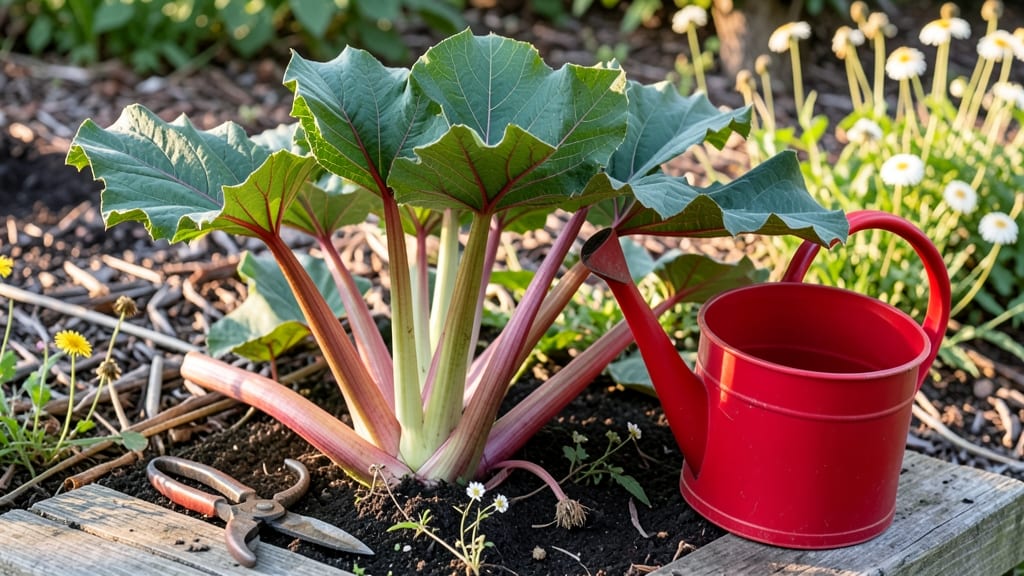
Here are the best rhubarb gardening tips to transform your plot into a tangy, low-maintenance powerhouse—once planted, those stalks will outlast most veggies while multiplying underground with barely a pruner’s touch. and the secret lies in its stubborn resilience and love of neglect.
The key to rhubarb’s success isn’t fussing—it’s getting the soil and sunlight right from day one. Plant in full sun where the soil drains well but stays moist, and you’ll avoid the two biggest beginner mistakes: soggy roots or stunted growth from poor drainage.
Even in cold climates, rhubarb thrives with minimal winter care, making it the ultimate low-maintenance perennial.
📚 In This Guide
- What you need
- Instructions
- Tips and common mistakes
- Wrapping up and next steps
What you need
- ● Rhubarb crowns: 1–3 mature crowns (choose disease-resistant varieties like ‘Victoria’ or ‘Strawberry’ for sweetness).
- ● Well-draining soil: Loamy, slightly acidic soil (pH 6.0–6.5). Amend clay soil with compost or peat moss.
- ○ Organic compost: 5–10 gallons to enrich planting beds (optional but highly recommended!).
- ● Mulch: Straw or wood chips (2–3 inches) to retain moisture and suppress weeds.
- ● Garden fork or tiller: For loosening soil to a depth of 12–18 inches.
- ● Garden gloves: Heavy-duty to protect hands from thorns and rough soil.
- ● Pruners or shears: Sharp, clean pruners (sterilize with rubbing alcohol between cuts).
- ● Watering can or hose: With a gentle spray nozzle for consistent moisture.
- ● Measuring tape or ruler: To mark planting depth (crowns should sit 2 inches below soil).
- ● Soil test kit: To check pH and nutrient levels before planting.
- ● Row covers: Lightweight fabric to protect young plants from pests or frost.
- ● Fertilizer (balanced 10-10-10 or organic options): Apply sparingly in early spring.
- ● Stakes or cages: For tall varieties to prevent flopping in wind.
Instructions for planting and maintaining a productive rhubarb patch
Here's how to establish a low-maintenance rhubarb garden that rewards you with harvests for decades.
Choose the Right Location and Prepare the Soil
Rhubarb thrives in full sun to partial shade, with at least 6 hours of direct sunlight daily. I always select a spot with well-draining soil—rhubarb roots rot quickly in soggy conditions. The ideal soil pH is 6.0 to 6.8, so test yours before planting. If your soil is heavy clay, amend it with 3 inches of compost mixed into the top 12 inches of soil.
Dig a trench 12 inches deep and 18 inches wide for each crown. Space trenches 4 to 5 feet apart to allow for mature plant spread. Rhubarb is a perennial, so invest time in preparing the bed properly. The roots will reward you with 20+ years of productivity if given the right start.
Plant Crowns at the Correct Depth and Spacing
Plant rhubarb crowns in early spring, about 2 to 3 weeks before your last frost date. Each crown should sit 1 inch below the soil surface, with the buds facing upward. Space individual crowns 3 feet apart within the trench. If planting multiple crowns, maintain 4 feet between rows to prevent overcrowding.
Press the soil gently around the crown to eliminate air pockets but avoid compacting it. Water deeply right after planting to settle the soil and encourage root establishment. Mulch the area with 2 to 3 inches of straw or wood chips to retain moisture and suppress weeds. Avoid using fresh mulch, as it can draw nitrogen away from the roots.
Water Consistently and Monitor Soil Moisture
Rhubarb needs 1 to 1.5 inches of water per week, either from rainfall or irrigation. Keep the soil evenly moist but not waterlogged—this is critical for preventing crown rot. I check moisture by sticking my finger 2 inches into the soil; if it feels dry, it's time to water. Drip irrigation is ideal because it delivers water directly to the roots without wetting the leaves, reducing disease risk.
During the first growing season, water 2 to 3 times per week to help roots establish. Once established, rhubarb becomes drought-tolerant, but consistent moisture ensures larger, more tender stalks. Avoid overhead watering, especially in the evening, as damp foliage invites fungal issues like leaf spot.
Apply Fertilizer and Maintain Soil Health
Rhubarb benefits from balanced fertilization in early spring. Use a 10-10-10 or 5-10-10 fertilizer at a rate of 1 pound per 100 square feet. Work the fertilizer into the top 2 inches of soil around the crown, keeping it 6 inches away from the base to avoid burning the roots. Organic options like composted manure or worm castings also work well.
In subsequent years, top-dress with 1 inch of compost in early spring to replenish nutrients. Rhubarb is a heavy feeder, so don’t skip this step—it directly impacts stalk size and sweetness. If your rhubarb produces small stalks or yellows prematurely, it’s a sign of nutrient deficiency. A soil test every 2 to 3 years helps adjust fertilization for optimal growth.
Prune Strategically for Long-Term Productivity
The key to minimal pruning is harvesting correctly. Never cut more than one-third of the stalks in a single season, and always leave the leaf crowns intact—they photosynthesize to fuel next year’s growth. Use clean, sharp pruners to cut stalks at the base, 1 inch above the soil line, at a 45-degree angle to prevent water from pooling.
Remove any diseased or damaged stalks immediately to prevent spread. In early spring, cut back any dead or weak growth to encourage new, vigorous shoots. Avoid heavy pruning in autumn, as rhubarb needs its foliage to store energy for winter. With proper pruning, your patch will produce harvests from late spring through summer, with minimal effort.
Tips & tricks for perfect rhubarb gardening
These essential strategies will help you cultivate a thriving, low-maintenance rhubarb patch that delivers abundant harvests year after year.
Soil Preparation is Non-Negotiable: The 12-inch deep trench you dig for planting isn't just about depth—it's about creating a root-friendly environment. Amending heavy clay soil with 3 inches of compost mixed into the top 12 inches transforms compacted soil into a loose, well-aerated medium that rhubarb roots will thrive in for decades. I've seen firsthand how neglected soil preparation leads to stunted growth and poor yields, even with healthy crowns. The extra effort during planting pays dividends in harvest quality.
Planting Timing Matters More Than You Think: Those 2 to 3 weeks before your last frost date aren't arbitrary—they're critical for establishing strong roots before summer heat arrives. Planting too early risks frost damage to emerging shoots, while planting too late can stress the crowns. I always check my local frost date calendar and mark the window in my gardening journal. For northern climates, aim for early April planting, while southern gardeners should wait until mid-March.
Watering Strategy Prevents Common Failures: The 1 to 1.5 inches of water per week recommendation might seem straightforward, but the real secret is consistency. I've learned through trial and error that letting rhubarb soil dry out completely between waterings leads to tough, fibrous stalks. The 2-inch soil moisture check is your best friend—when that soil feels dry at that depth, it's time to water. This simple check prevents both underwatering and overwatering, which can cause crown rot.
Fertilizer Application Technique: The 6 inches away from the base when applying fertilizer might seem like overkill, but it's crucial. I've burned rhubarb roots more times than I care to admit by applying fertilizer too close to the crown. The roots are sensitive to high concentrations of salts and nutrients, which can actually stunt growth. Spread that 1 pound of 10-10-10 fertilizer evenly in a ring around the crown, then gently work it into the top 2 inches of soil. This creates a nutrient-rich zone that encourages strong root development without risking root burn.
Pro Tips for Rhubarb Gardening Tips
- These essential strategies will help you cultivate a thriving, low-maintenance rhubarb patch that delivers abundant harvests year after year.
- Soil Preparation is Non-Negotiable: The 12-inch deep trench you dig for planting isn't just about depth—it's about creating a root-friendly environment.
- Planting Timing Matters More Than You Think: Those 2 to 3 weeks before your last frost date aren't arbitrary—they're critical for establishing strong roots before summer heat arrives.
Frequently asked questions
about rhubarb gardening—because even the most patient gardeners have questions! Here are answers to the most common ones:How long does it take for rhubarb to produce edible stalks?
Patience is key! Rhubarb plants typically take 2–3 years to mature enough to produce edible stalks. In the first year, focus on establishing strong roots. By year two, you’ll see sparse harvests, and by year three, you’ll enjoy a full, bountiful crop. Pro tip: Avoid harvesting in the first year to ensure robust growth!
Can rhubarb survive winter frost?
Rhubarb is extremely hardy and thrives in cold climates, tolerating temperatures down to -30°F (-34°C). In fact, a cold winter helps it build energy for spring growth. Just ensure the soil isn’t soggy, as waterlogged roots can rot. Bonus: Snow acts like a natural mulch!
Is it safe to eat rhubarb leaves? (They look like spinach!)
No!
While rhubarb stalks are delicious, the leaves contain oxalic acid, which is toxic in large amounts. If ingested, they can cause nausea, vomiting, or even kidney damage. Always compost or discard leaves—never eat them raw or cooked. Fun fact: The stalks are the only edible part!
How do I revive a rhubarb plant that’s not growing well?
If your rhubarb looks lackluster, it might need a rejuvenation. Start by dividing mature plants every 3–4 years to prevent overcrowding. Trim back dead or yellow leaves, and fertilize lightly in early spring with balanced 10-10-10 or compost. Warning: Avoid over-fertilizing—rhubarb prefers lean soil!
What can I plant near rhubarb for a companion garden?
Rhubarb loves company! Plant it near:
- Tall plants (like delphiniums or hollyhocks) to shade out weeds.
- Herbs (such as thyme or sage) to deter pests.
- Avoid brassicas (cabbage, broccoli)—they compete for nutrients.
Pro tip: Rhubarb’s deep roots make it a great perennial understory plant for fruit trees or berries!
Wrapping up and next steps
Growing rhubarb is a rewarding journey that delivers bold flavors and minimal fuss—perfect for both beginner and seasoned gardeners! 🌱 With the right soil, patience, and a few smart pruning tricks, you’ll enjoy a year-round harvest of this versatile plant.
Whether you’re whipping up pies, jams, or savory dishes, your homegrown rhubarb will elevate every recipe.
Ready to dive in? Start small—plant a few crowns this fall, and by next spring, you’ll be reaping the sweet rewards. Happy gardening!