
Tools
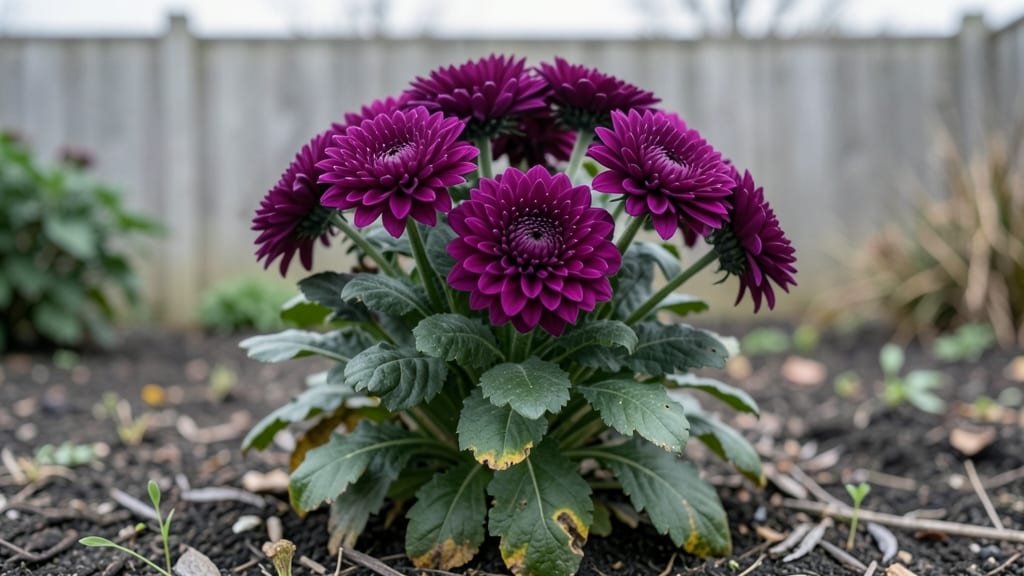
Growing purple garden mums transforms any yard into a velvet masterpiece that thrives even when other plants fade. 🌿 These hardy chrysanthemums bring deep purple blooms that last from fall through winter, with the added bonus of drought tolerance once established.
My front border stays vibrant all season because these mums handle heat and dry spells like champs.
The secret to their year-round appeal lies in smart placement and care. Pair them with ornamental grasses for texture contrast or plant near evergreens to extend their seasonal show.
They also love containers—just ensure pots have drainage and you’re golden. Most varieties need full sun and regular watering until roots establish, after which they become nearly maintenance-free.
You’ll end up with a garden that stays stunning when others go dormant. The blooms add richness to borders, containers, or even cut arrangements that last weeks indoors.
Their velvety petals catch the light beautifully at dusk, making them perfect for evening ambiance. Plus, they attract pollinators right up until frost.
Works in any climate zone from 3 through 9, though colder regions may need winter protection. For extra drama, try mixing varieties with different bloom times—early, mid, and late season—to keep color going from September through Christmas. Here’s how to make them the star of your landscape all year.
📚 In This Guide
- What you need
- Instructions
- Tips and common mistakes
- Wrapping up and next steps
What you need
- ● Purple garden mum plants: 3–5 mature plants (check for healthy foliage and vibrant purple blooms).
- ● Well-draining soil: 5–10 bags of potting mix or garden soil (amend with compost for nutrients).
- ● Organic mulch: 2–3 cubic feet (e.g., shredded bark or straw to retain moisture).
- ● Slow-release fertilizer: 1–2 lbs (10-10-10 or similar for balanced growth).
- ● Watering can or hose: With a gentle spray nozzle for hydration.
- ● Gloves & hand trowel: For planting and soil adjustments.
- ○ Garden stakes or trellis (optional): For support if growing in windy areas.
- ● Pruning shears: To trim spent blooms and encourage regrowth.
- ○ Drip irrigation kit (optional): For automated, drought-friendly watering.
- ○ Purple-tinted mulch (optional): Enhances color contrast in beds.
Step-by-Step instructions for planting and caring for purple garden mums
Here's how to grow these drought-tolerant beauties from start to finish—no green thumb required.
🌱 Step 1: Choose the Right Location and Prepare the Soil
Purple garden mums thrive in full sun to partial shade, with at least 4-6 hours of direct sunlight daily. I always pick a spot with afternoon shade in hotter climates—this prevents leaf scorch and keeps blooms vibrant. Test your soil first; these plants prefer well-draining soil with a pH of 6.0-6.5.
If your soil is heavy clay, mix in 2-3 inches of compost and a handful of perlite to improve drainage. I like to spread a 2-inch layer of mulch around the base after planting to conserve moisture and suppress weeds. Avoid fresh mulch right after planting—wait until the soil settles and roots establish.
🌿 Step 2: Plant Mums at the Right Depth and Spacing
Dig holes twice as wide as the root ball and just as deep. Gently remove the plant from its container and loosen any tangled roots with your fingers. Place the mum in the hole so the top of the root ball sits level with the surrounding soil—burying the crown too deep causes rot, while planting too high stresses the plant.
Space plants 18-24 inches apart for full, lush growth. I always water deeply right after planting to help soil settle around the roots. You'll know it's done right when the soil surface looks slightly firm but still crumbly. Avoid heavy watering that compacts the soil—this restricts root growth.
💧 Step 3: Water Consistently and Monitor Soil Moisture
Water deeply once a week during the first month, allowing the top 2-3 inches of soil to dry out between waterings. Purple mums are drought-tolerant once established, but young plants need consistent moisture. I check soil moisture by sticking my finger in—if it feels dry at 1 inch deep, it's time to water.
Water at the base of the plant in the morning to reduce evaporation and fungal risks. Avoid wetting the leaves, especially in humid climates—this encourages powdery mildew. Once established, these plants handle dry spells beautifully, but they'll reward you with bigger blooms if you maintain steady moisture during their growing season.
✂️ Step 4: Prune and Deadhead for Longer Blooms
Pinch back the tips of new growth in early spring to encourage bushier, fuller plants. I use clean, sharp pruners to snip just above a set of leaves where new growth will emerge. This step is key for compact, vibrant mums—skipping it leads to leggy, sparse plants.
Deadhead spent blooms regularly throughout the season to prolong flowering. Simply snip off the faded flower heads with pruners or pinch them off by hand. You'll see new buds forming within 2-3 weeks—this keeps your mums looking fresh and encourages continuous blooms until frost.
☀️ Step 5: Protect and Prepare for Winter
In colder climates, mums need winter protection. After the first frost, cut back stems by half their height and spread 4-6 inches of mulch around the base. I like to use straw or shredded leaves—they insulate roots while allowing moisture to penetrate.
Mums are hardy perennials in USDA zones 5-9, but in colder areas, they may die back to the ground. Don't worry—new growth emerges in spring. In warmer zones, they may bloom year-round with minimal care, but a light pruning in late winter keeps them tidy and encourages fresh growth.
Tips & tricks for perfect purple garden mums
A few simple strategies will help your purple garden mums thrive and bloom beautifully year after year.
Soil Preparation Secret: Before planting, I always mix a handful of perlite into the bottom of each hole. This creates instant drainage channels right where the roots will grow, preventing waterlogging that can cause root rot. The 2-3 inches of compost mentioned in Step 1 should be well-aged—fresh compost can burn young roots and set your plants back.
Planting Depth Visual: When placing your mum in the hole, imagine the top of the root ball sitting at the same level as the surrounding soil—no higher, no lower. I use a small stick to mark the soil level before removing the plant, then reference it when replanting. This simple trick prevents the common mistake of burying the crown too deep, which leads to rot.
Watering Wisdom: The once-a-week deep watering in Step 3 works perfectly, but I've found that using a soaker hose or drip irrigation system makes this even easier. These systems deliver water directly to the roots without wetting the leaves, reducing the risk of powdery mildew. Just set a timer for 10-15 minutes once a week during the first month.
Pruning Timing: For the early spring pinch-back in Step 4, I wait until you can see at least 4-5 sets of true leaves on each stem. This ensures you're not cutting back too aggressively. When deadheading, I always leave about 1/4 inch of stem below the faded bloom—this prevents water from pooling and causing rot while still encouraging new growth.
Pro Tips for Purple Garden Mum
- A few simple strategies will help your purple garden mums thrive and bloom beautifully year after year.
- Soil Preparation Secret: Before planting, I always mix a handful of perlite into the bottom of each hole.
- Planting Depth Visual: When placing your mum in the hole, imagine the top of the root ball sitting at the same level as the surrounding soil—no higher, no lower.
Frequently asked questions
Got questions about purple garden mums?
You’re not alone! Here are answers to the most common ones to help you grow these drought-tolerant beauties with confidence.
How do I keep purple garden mums blooming all year?
Purple garden mums (like Echinacea purpurea) are perennials, meaning they return yearly—but they thrive best with a little care. Deadhead spent blooms to encourage new flowers, and in mild climates, they may rebloom in fall. In colder zones, mulch heavily in winter to protect roots. For year-round color, plant them alongside seasonal bloomers like pansies or violas.
When is the best time to plant purple garden mums?
Spring (after the last frost) or early fall (4–6 weeks before your first frost) are ideal. This gives roots time to establish before extreme heat or cold. If planting in summer, water deeply and shade young plants until they adjust. For containers, you can plant anytime, but spring or fall still gives the best results.
How often should I water purple garden mums?
Once established, purple garden mums are drought-tolerant, but they need consistent moisture during their first year. Water deeply 1–2 times per week, ensuring the soil stays evenly moist but not soggy. In extreme heat, mulch around the base to retain moisture. Overwatering can lead to root rot, so always check soil moisture before watering.
What’s the best soil mix for purple garden mums?
They prefer well-draining, slightly acidic to neutral soil (pH 6.0–7.0). Amend heavy clay with compost or sand, and ensure the planting site has good airflow to prevent fungal issues. For containers, use a mix of potting soil, perlite, and compost. Avoid waterlogged spots—they hate "wet feet"!
Why aren’t my purple garden mums blooming?
Lack of blooms often stems from over-fertilizing (especially with high-nitrogen fertilizer), which encourages leafy growth over flowers. Use a balanced, low-nitrogen fertilizer in early spring. Poor sunlight (they need 6+ hours of sun daily) or crowded roots can also stunt blooms. Prune back dead stems in early spring to stimulate new growth.
Can I grow purple garden mums in containers?
Choose a container at least 12 inches deep with drainage holes. Use a well-draining potting mix and place in full sun. Container-grown mums may need more frequent watering, especially in hot weather. They’re perfect for patios, balconies, or even as striking centerpieces!
Wrapping up and next steps
Transforming your garden into a vibrant, low-maintenance paradise with purple garden mums is easier than you think!
These drought-tolerant beauties bring year-round color, resilience, and effortless elegance—perfect for both beginners and seasoned gardeners. 🌸 Whether you're planting them in containers, borders, or as striking focal points, their versatility makes them a must-have for any outdoor space.
Ready to dive in? Start by gathering your supplies, then follow the steps to nurture these stunning blooms. Your garden’s next masterpiece is just a few clicks (or shovel strokes) away! Happy gardening! 🌿