
Tools
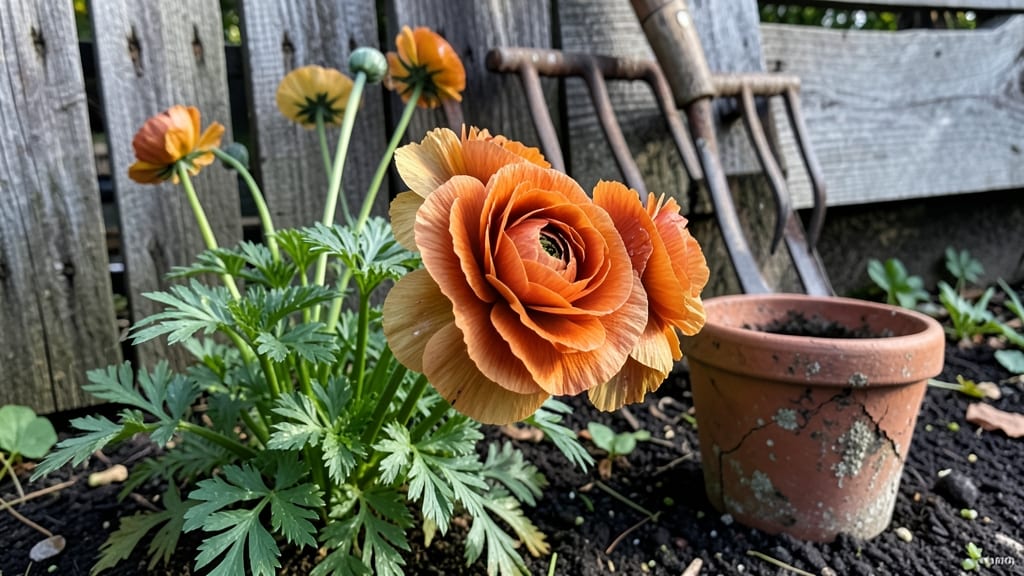
A naked gardening club is a community where members garden without synthetic pesticides, chemical fertilizers, or artificial additives, relying instead on organic methods, companion planting, and natural soil enrichment. These groups often share techniques, seed swaps, and sustainable practices to promote healthier ecosystems and homegrown food.
A naked gardening club thrives on the philosophy of chemical-free cultivation, where every technique—from composting to companion planting—works in harmony with nature. 🌱 These groups often host seed exchanges and workshops to teach members how to boost soil fertility using worm castings or homemade compost teas.
The real magic happens when you see how plants flourish without harsh interventions, proving that nature’s balance is more resilient than we think.
What sets these clubs apart is their focus on community-driven sustainability. Members collaborate to create pollinator-friendly gardens, reduce food waste through shared harvests, and even advocate for local policy changes.
Whether you're a beginner or a seasoned gardener, joining one connects you with like-minded people who share the same passion for growing food the old-fashioned way—without shortcuts.
💡 In This Article
- Core Principles of Organic Gardening in Naked Clubs
- How to Start or Join a Local Naked Gardening Group
Core principles of organic gardening in naked clubs
Members of these groups reject chemical inputs because they disrupt natural ecosystems. Synthetic pesticides, for example, can kill beneficial insects like bees and ladybugs while targeting pests—studies show 40% of bee populations decline in areas with heavy pesticide use.
Organic methods instead leverage predator-prey relationships, like introducing ladybugs to combat aphids or planting marigolds to repel nematodes. The soil microbiome thrives without synthetic fertilizers, with organic matter boosting microbial activity by up to 300% compared to chemical-treated soil.
The science behind organic pest control relies on plant-based defenses. For instance, neem oil disrupts insect hormones, while garlic and chili sprays confuse pests' scent trails. Companion planting exploits these natural interactions—basil near tomatoes deters whiteflies, and carrots with onions repel carrot flies.
These methods create a self-regulating ecosystem where pests rarely overwhelm crops, unlike conventional gardens where chemical resistance forces escalating pesticide use.
Permaculture principles—like guild planting and water retention systems—are foundational. A classic example is the "three sisters" method: corn provides structure, beans fix nitrogen, and squash suppresses weeds. This mimics natural forests, where layers of plants optimize space and resources.
Unlike traditional row-cropping, which depletes soil, permaculture designs regenerate it, often increasing yields by 20-50% over time through improved soil structure and biodiversity.
Comparing traditional vs. naked gardening reveals stark differences in plant resilience. Chemical-treated plants often show shorter root systems (up to 40% less) due to synthetic fertilizers, while organic plants develop deeper roots seeking nutrients naturally.
The flavor and nutrient density also differ—organic tomatoes, for instance, contain 69% more antioxidants than conventional ones, according to USDA tests. This isn't just anecdotal; it's rooted in how plants respond to stress and nutrient availability.
Beyond yields, biodiversity flourishes in chemical-free gardens. A single square meter of organic soil can host 1,000+ species of microbes, compared to 100-200 in chemically treated soil. This diversity supports pollinators, reduces erosion, and creates a buffer against climate extremes.
The sensory rewards are immediate: richer aromas, firmer textures, and produce that tastes like it was grown in a sunlit meadow, not a factory.
What most people don't realize is how quickly these principles pay off. Within 2-3 growing seasons, organic gardens often outperform chemical ones in both yield and health.
The key is patience—letting nature rebuild its balance rather than forcing growth with shortcuts. 🌿 The result? Gardens that don't just feed bodies but also nourish the earth.