Landscaping
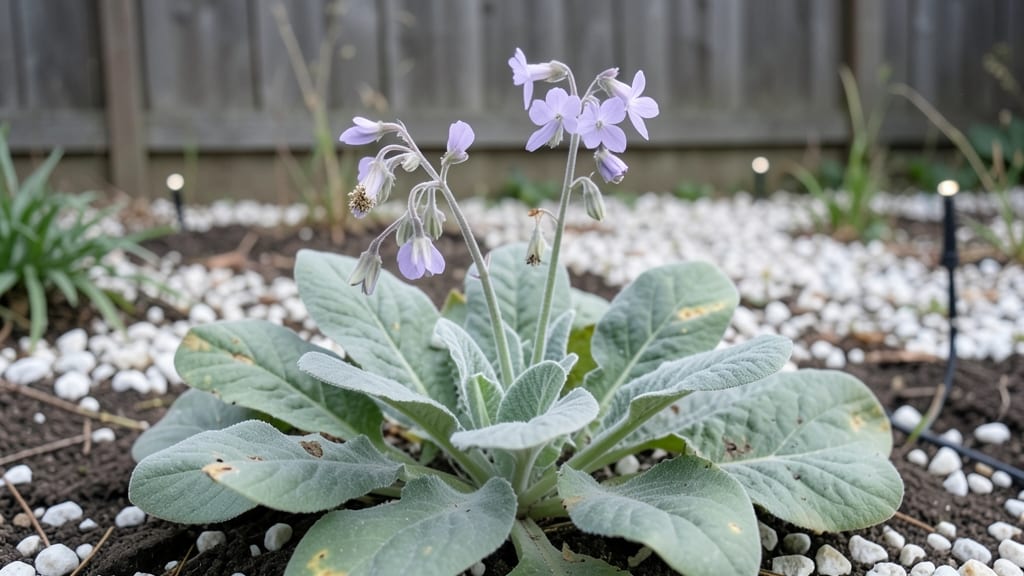
My backyard’s empty nights transformed with these moon garden designs, where fragrant flowers glow like lanterns in the dark—until I planted moonflower vines and evening primrose after stumbling upon the idea. ✨ along the patio.
The contrast of silver foliage against deep blues and whites creates a dreamy atmosphere that feels like a secret garden just for you.
The magic starts with the right plants: night-blooming jasmine, white petunias, and even some reflective foliage like dusty miller. You’ll want a mix of textures—some plants with velvety petals, others with silvery leaves—to catch the moonlight differently.
A small solar-powered light or two can highlight key spots, but the real glow comes from the flowers themselves when the moon rises.
By morning, your garden will still be stunning, but the real transformation happens after dark. The scent of night-blooming flowers carries on the breeze, and the soft glow of petals creates a serene space for evening relaxation.
It’s not just about looks—it’s about crafting a quiet, magical corner that feels like a retreat from the day.
Works for any yard size, from a small balcony container garden to a sprawling backyard. The key is layering plants by height and bloom time to keep the nighttime show going all season long.
📚 In This Guide
- What you need
- Instructions
- Tips and common mistakes
- Wrapping up and next steps
What you need
- ● Moonlight-loving plants (5–10 varieties): White or pale flowers (e.g., Moonflower (Ipomoea alba), Night-blooming jasmine (Cestrum nocturnum), Angel’s trumpet (Brugmansia))
- ● Silver or gray foliage (e.g., Lamb’s ear (Stachys byzantina), Artemisia ‘Powis Castle’)
- ● Fragrant herbs (e.g., Lavender, Mint, Lemon balm)
- ● Soil amendments: Well-draining potting mix or garden soil (2–3 cubic yards, depending on garden size)
- ● Compost (1–2 bags) for enriching nutrients
- ● Perlite or sand (1 bag) to improve drainage
- ● Lighting: Solar-powered path lights (5–10, 12V)
- ○ String lights or LED candles (optional, for ambiance)
- ● Garden trowel or spade
- ● Pruners (for trimming)
- ● Wheelbarrow (for soil transport)
- ● Measuring tape & stakes (for layout)
- ● Gloves (to protect your hands)
- ● Watering can or hose with adjustable nozzle
- ● Moonstone or reflective pebbles (for a shimmering effect)
- ● Wind chimes or bamboo flutes (for soothing sounds)
- ● Benches or cushions (for stargazing)
- ● Scented candles (vanilla, lavender, or sandalwood)
Step-by-Step instructions for designing a moon garden
Here's how to create a serene, luminous space that thrives after dark.
🌿 Step 1: Choose the Perfect Location
Moon gardens shine best in areas with minimal overhead lighting—think under trees, near fences, or along pathways where ambient light is soft. I always scout the space at dusk to see where shadows linger longest. A north or east-facing spot gets the least artificial light interference, letting your plants' natural glow stand out.
Test the area for at least a week before planting. If you notice bright spots from nearby lights, add a sheer fabric screen or plant taller shrubs as a windbreak to diffuse the glow. The goal is to mimic natural moonlight conditions as closely as possible.
☀️ Step 2: Select Night-Blooming and Reflective Plants
Pick plants with silvery foliage, pale blooms, or flowers that open at night. I always include at least three varieties: one for fragrance (like evening primrose), one for texture (like lamb's ear), and one for drama (like moonflower vine). Group plants in odd-numbered clusters—threes or fives—to create natural focal points.
For the 4 moon garden designs, I recommend starting with:
- 2 white cleome (spider flower) for height and fragrance
- 3 silver dusty miller for foliage contrast
- 4 night-blooming jasmine for climbing fragrance
- 5 white evening primrose for pollinators and soft blooms
🪴 Step 3: Layer Plants by Height and Function
Begin with a 3-4 inch deep layer of well-draining soil mixed with compost. Place taller plants at the back or center, working toward shorter ones at the edges. I like to use 1-2 inch deep pockets for bulbs like moonflower or night-scented stock, tucking them beneath perennials for year-round interest.
Add 1-2 inches of mulch (like shredded bark) to suppress weeds and retain moisture. This also helps reflect light upward, making your garden appear brighter. Space plants 12-18 inches apart to allow airflow—crowding leads to fungal issues that dull foliage.
💧 Step 4: Install Soft Lighting for Ambiance
Use warm-white LED string lights or solar-powered garden stakes to highlight key plants without overwhelming their natural glow. I drape lights along fences or weave them through climbing plants to create a dreamy canopy effect. Avoid bright spotlights—opt for 2700K-3000K bulbs that mimic candlelight.
Test lighting at night before finalizing placement. You'll want gentle illumination that enhances textures rather than competes with them. For extra magic, add a small solar-powered water feature—the sound of trickling water amplifies the garden's nocturnal charm.
⏰ Step 5: Maintain for Year-Round Magic
Water deeply once weekly (more in summer) but avoid wetting foliage after dark to prevent mildew. I always water in the late afternoon so plants absorb moisture before evening. Fertilize lightly in spring with a balanced 10-10-10 formula—moon garden plants prefer subtle feeding over heavy doses.
Deadhead spent blooms regularly to encourage more flowers, but leave seed heads on ornamental grasses for winter interest. In late fall, add a fresh layer of mulch to protect roots and reflect light through snow. With minimal upkeep, your moon garden will glow brighter each season.
Tips & tricks for perfect moon garden designs
Creating a moon garden that truly glows after dark takes a few thoughtful tricks—here's how to make your ethereal nightscape shine brighter than ever.
The Location Secret: I learned this the hard way after planting my first moon garden under a streetlight—it completely washed out the natural glow. Scout your space at dusk for at least 3 days before planting. The perfect spot will have lingering shadows from nearby structures or trees, creating natural light diffusion. A north or east-facing area gets the least artificial light interference, which is key for showcasing your plants' natural luminescence.
Plant Placement Strategy: When layering your plants in Step 3, think vertically first. Place your tallest plants (like the 2 white cleome) at the back or center, then work outward with medium-height plants (silver dusty miller) before adding shorter varieties (evening primrose) at the edges. This creates natural depth and prevents any single plant from overwhelming the space. I also tuck in my night-blooming jasmine along fences or trellises—this not only saves space but also adds that magical climbing fragrance at night.
Lighting Enhancement: The warm-white LED string lights mentioned in Step 4 deserve special attention. I recommend testing your lighting setup at night before final planting—you'll want to position lights to highlight textures rather than compete with them. For extra drama, weave lights through climbing plants like jasmine to create a dreamy canopy effect. Pro tip: Use dimmable LED bulbs so you can adjust brightness based on moonlight intensity each night.
Maintenance Shortcuts: Don't let upkeep become a chore! I've found that adding a 2-inch layer of reflective mulch (like white pebbles or light-colored bark) not only suppresses weeds but also amplifies the garden's glow by reflecting light upward. For watering, consider installing a drip irrigation system on a timer—this ensures your plants get that once-weekly deep watering without you having to remember. And here's a little secret: sprinkle a handful of coffee grounds around your plants in spring—they add nitrogen while also repelling slugs that might munch on your delicate blooms.
Pro Tips for Moon Garden Designs
- Creating a moon garden that truly glows after dark takes a few thoughtful tricks—here's how to make your ethereal nightscape shine brighter than ever.
- The Location Secret: I learned this the hard way after planting my first moon garden under a streetlight—it completely washed out the natural glow.
- Plant Placement Strategy: When layering your plants in Step 3, think vertically first.
Frequently asked questions
Got questions about crafting your dream moon garden? You’re not alone! Here are some of the most common queries—plus expert answers to help you glow up your outdoor space after dark.
What’s the best time of year to plant a moon garden?
A moon garden thrives with night-blooming plants like evening primrose or night-blooming jasmine, which do best when planted in early spring or late summer. This gives roots time to establish before cooler weather. If you’re in a mild climate, fall planting can also work—just mulch well to protect tender varieties.
Do I need special lighting for a moon garden?
Not necessarily! Moon gardens rely on reflective surfaces (like white pebbles or light-colored mulch) and fragrant plants to create a magical vibe. But if you want extra glow, solar-powered path lights or string lights add charm. Avoid harsh bulbs—opt for warm, dim lighting to preserve the night’s serenity.
What’s the easiest way to deter pests in a moon garden?
Pests like slugs and snails love moon gardens too! Crushed eggshells or copper tape around plant bases act as natural barriers. For fragrance-based deterrents, plant lavender or rosemary nearby—their scents repel many insects. Avoid chemical pesticides; they can harm pollinators that visit at night.
Can I mix moon garden plants with other flowers?
Pair night-bloomers with daytime favorites like dahlias or hydrangeas for year-round color. Just ensure your daytime plants won’t overshadow the moon garden’s nocturnal stars. Keep the layout balanced—group fragrant, low-light plants together and let them take center stage after sundown.
Will a moon garden survive winter?
Many moon garden plants are perennial (like lunaria or evening stock) and return yearly. For tender varieties, mulch heavily or use burlap wraps to protect roots. Evergreens like boxwood or holly add structure even in winter, keeping your garden’s silhouette intact.
Wrapping up and next steps
A moon garden isn’t just a dreamy vision—it’s a magical retreat you can cultivate with the right plants, lighting, and design flair. 🌙✨ Whether you’re drawn to silvery foliage, fragrant night-blooming flowers, or soft ambient lighting, this ethereal space will transform your evenings into enchanting escapes.
The key? Start small, experiment with textures, and let your creativity shine!
Ready to bring your moon garden to life? Sketch a rough layout, gather your materials, and take the first step tonight—your garden’s nocturnal glow awaits! 🌿💡