
Vegetables
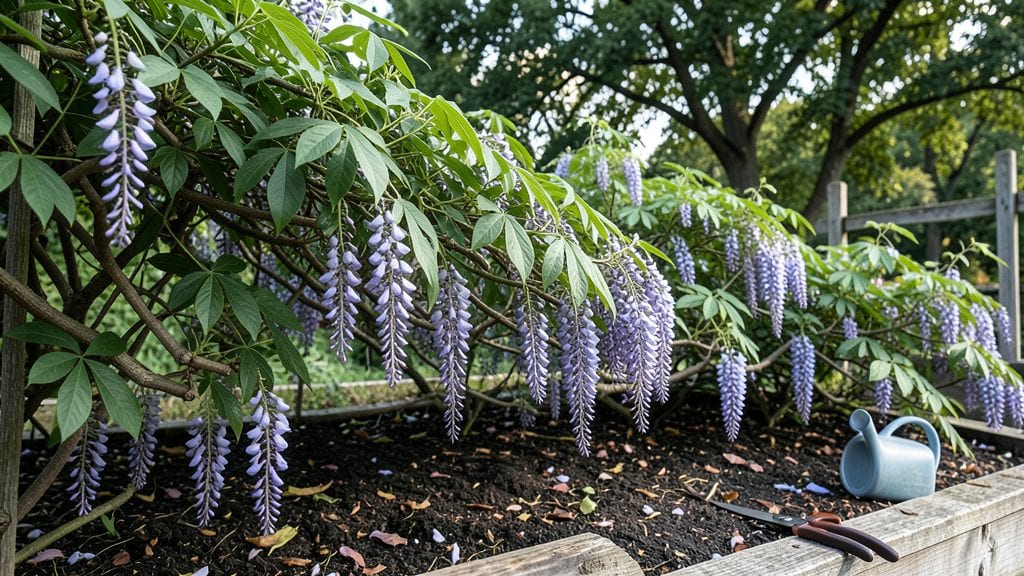
The Longwood Gardens wisteria displays make me stop and breathe in every spring—those 20-foot purple cascades smell like nothing else on earth. 🌿 I’ve visited enough gardens to know this isn’t just luck; it’s years of intentional pruning, soil prep, and patient training of vines along trellises or fences.
The secret isn’t the plant itself, but how it’s framed: paired with hostas for contrast, climbing roses for height, and peonies at its base for early blooms.
Here’s the thing—wisteria thrives in full sun but needs 6-10 inches of rich, well-draining soil mixed with compost. At Longwood, they use support structures like metal cables or wooden lattices to guide the vines upward, preventing them from smothering nearby plants.
The pruning schedule is critical: cut back old wood in late winter, shape new growth in summer, and never let it grow unchecked—those vines can become a tangled monster if ignored.
What you’ll end up with is a fragrant living fence that transforms any space from ordinary to showstopping. The blooms arrive in late spring, just as peonies fade, and their scent lingers for weeks—perfect for patios, arbors, or even large containers.
Pair it with clematis for vertical layers or lavender for fragrance, and you’ve got a design that works year-round, even when the vines are dormant.
Now, don’t let the "high-maintenance" reputation scare you off—wisteria is foolproof if you start small. Begin with a single vine, master the pruning, and expand over time. The payoff? A garden feature that turns heads and fills the air with color you can’t buy in a bouquet.
📚 In This Guide
- What you need
- Instructions
- Tips and common mistakes
- Wrapping up and next steps
What you need
- ● Wisteria plants: 3–5 Wisteria sinensis or Wisteria floribunda (choose based on climate—sinensis thrives in cooler zones, while floribunda loves heat). Opt for 1–2-year-old bare-root plants for faster establishment.
- ● Support structure: Arbor or trellis: 6–8 ft tall, with horizontal wires or lattice spaced 12–18 inches apart (e.g., Longwood-style metal arbors or sturdy wooden frames).
- ● T-posts or concrete anchors: 4–6 for stability (if freestanding).
- ● Soil amendments: 50% well-draining garden soil (test pH—wisteria prefers 6.0–7.0).
- ● 30% compost or aged manure (for nutrients).
- ● 20% perlite or coarse sand (to prevent root rot).
- ● Mulch: 2–3 inches of wood chips or pine straw (keeps roots cool and moist).
- ● Pruning tools: 1 pair bypass pruners (for clean cuts).
- ● 1 loppers (for thicker stems).
- ● 1 pruning saw (for mature branches).
- ● Gloves: Heavy-duty gardening gloves (wisteria thorns are sharp!).
- ● Watering system: Drip irrigation kit (for consistent moisture—critical for young plants!).
- ● Or a hose with a gentle spray nozzle.
- ● Fertilizer: Balanced 10-10-10 fertilizer (apply in early spring).
- ● Bone meal (for phosphorus, encourages blooms).
- ● Erosion control: Landscape fabric (if planting on a slope).
- ○ Decorative touches (optional): String lights or solar-powered lanterns (for Longwood Gardens-style ambiance!).
- ● Climbing roses or clematis (to complement the wisteria’s height).
How to plant and maintain wisteria like Longwood Gardens
Here's the proven method for growing fragrant purple wisteria that thrives as a living fence.
🌱 Step 1: Choose the Perfect Planting Site
Wisteria craves full sun—at least 6-8 hours daily. I plant mine against a south-facing fence where it gets morning light and afternoon shade in hotter months. The roots need room to spread, so dig a hole 3 feet wide and deep—twice as wide as the root ball. This encourages deep rooting and stability.
Amend the native soil with 3-4 inches of compost mixed into the bottom of the hole. Wisteria hates soggy roots, so if your soil drains poorly, add a 2-inch layer of coarse sand or gravel at the bottom. The plant will reward you with 15-20 foot vines over time—patience is key.
🌿 Step 2: Plant and Train the Vine Correctly
Position the wisteria so the strongest stem faces the support structure (trellis, fence, or arbor). Spread the roots horizontally in the hole and backfill with native soil mixed with compost. Water deeply to settle the soil around roots—you'll see air pockets if you pat it down gently.
Here's the thing—I always install a strong trellis or fence immediately at planting. Wisteria grows aggressively, and training it later is a nightmare. Use soft ties (not wire or plastic) to guide the main stems along the support. Prune side shoots back to 2-3 buds when they first appear to encourage a single strong leader.
☀️ Step 3: Water and Feed for Maximum Blooms
Keep the soil evenly moist (not soggy) for the first 2 growing seasons. You'll know it's right when the top 2 inches of soil feel damp but not wet. After establishment, wisteria becomes drought-tolerant, but deep watering once weekly during dry spells keeps those purple cascades coming.
Feed with balanced fertilizer (10-10-10) in early spring and again after flowering. I use ½ cup per plant spread around the root zone. Avoid high-nitrogen fertilizers—they promote leafy growth at the expense of flowers. Watch for new leaves in spring; that's your signal to start regular feeding.
✂️ Step 4: Prune for Health and Spectacular Blooms
Prune wisteria right after flowering (late spring) to shape the plant and encourage next year's blooms. Remove dead or crossing branches first, then cut back last year's growth by ⅓ to stimulate new flowering stems. I always leave some old wood—wisteria flowers on 2-year-old wood, so don't remove it all.
Here's what I do in winter: Cut any weak or unproductive growth back to a strong bud. Never remove more than ⅓ of the plant in one season—this keeps the vine vigorous. You'll see thick, woody stems develop over time; these are your plant's foundation for years of fragrant blooms.
🪴 Step 5: Support and Maintain the Living Fence
Install horizontal crossbars every 2-3 feet on your trellis to support the heavy vines. Wisteria can weigh 50+ pounds per vine, so use 4x4 posts buried 2 feet deep for maximum stability. I add new crossbars every few years as the vine thickens.
Watch for powdery mildew on leaves—a common issue with dense growth. Improve airflow by thinning vines in spring if needed. Mulch with 2-3 inches of wood chips around the base to retain moisture and suppress weeds. The fragrant purple blooms will reward your patience with a 15-foot floral curtain by year 5.
Tips & tricks for perfect wisteria living fences
A few key strategies will help you grow wisteria that thrives like the stunning displays at Longwood Gardens.
Sunlight Secret: In Step 1, those 6-8 hours of full sun are non-negotiable for purple wisteria. I've seen plants struggle with just 5 hours daily—look for south-facing locations where the vine gets morning light and afternoon shade during summer's peak heat. If your yard has limited sun, consider a trellis against a sunny wall instead of a fence. The morning sun is especially critical for those fragrant blooms we all love.
Root Zone Strategy: That 3-foot-wide hole in Step 1 isn't just about space—it's about creating a root-friendly environment. I always add my 3-4 inches of compost to the bottom first, then mix in native soil. This layered approach prevents compaction and encourages deep rooting. For heavy clay soils, I go the extra mile and add that 2-inch gravel layer to prevent waterlogging, which can kill wisteria roots quickly.
Pruning Precision: In Step 4, when you're cutting back last year's growth by ⅓, focus on keeping those flowering stems that develop on 2-year-old wood. I use sharp pruners and make clean cuts just above a strong bud. The key is to never remove more than ⅓ of the plant in one season—this keeps the vine vigorous and ensures those spectacular blooms year after year. I always leave some old wood because that's where next year's flowers will form.
Support System: Those 4x4 posts in Step 5 aren't just for looks—they're essential for supporting vines that can weigh over 50 pounds each. I install my crossbars every 2-3 feet right from the start, even if the vine isn't touching them yet. Wisteria grows aggressively, and you'll thank yourself later when you don't have to scramble to add supports after the vine has already grown too heavy for your existing structure.
Pro Tips for Longwood Gardens Wisteria
- A few key strategies will help you grow wisteria that thrives like the stunning displays at Longwood Gardens.
- Sunlight Secret: In Step 1, those 6-8 hours of full sun are non-negotiable for purple wisteria.
- Root Zone Strategy: That 3-foot-wide hole in Step 1 isn't just about space—it's about creating a root-friendly environment.
Frequently asked questions
about Longwood Gardens' iconic wisteria—here’s what you need to know before planning your visit or growing your own!When is the best time to see wisteria at Longwood Gardens?
The peak bloom for Longwood’s wisteria is typically late April to early May, with some varieties flowering as early as March or as late as June, depending on weather. For the most vibrant displays, plan your visit during these windows—just check their official events calendar for updates!
Can I grow wisteria at home? What’s the catch?
Wisteria thrives in USDA Zones 5-9 with full sun and well-draining soil. The "catch"? It’s fast-growing and needs strong support (like a trellis or arbor). Prune aggressively in late winter to control sprawl—Longwood’s experts recommend cutting back 1/3 of old wood annually. Patience is key; full blooms take 3-5 years!
Why isn’t my wisteria flowering? Troubleshooting tips!
Common culprits include over-pruning (cut only dormant wood), poor sunlight (6+ hours of sun daily), or immature vines (young plants focus on growth). Feed with phosphorus-rich fertilizer in early spring and ensure it has a sturdy trellis. If your plant is over 10 years old and still bare, it may need a soil test—wisteria hates soggy roots!
Are there wisteria alternatives with less maintenance?
If wisteria’s vigor overwhelms you, try these low-maintenance climbers:
- Clematis: Blooms spring-fall, less aggressive (choose Clematis montana for early flowers).
- Honeysuckle: Fragrant, fast-growing, and drought-tolerant (try Lonicera sempervirens).
- Jasmine: Evergreen varieties (like Jasminum officinale) offer sweet scent with minimal pruning.
Do I need a ticket to see Longwood’s wisteria? Are there free viewpoints?
Longwood Gardens is a paid-entry estate, but wisteria can be spotted for free along Route 30 near the entrance (especially in spring). For the full experience—including the iconic 140-foot wisteria tunnel—budget $25/adult (check for discounts). Pro tip: Visit on free admission days (like first Tuesdays) or during special events!
Wrapping up and next steps
Longwood Gardens’ wisteria isn’t just a breathtaking sight—it’s a living masterpiece that transforms any space into a fragrant, purple paradise. Whether you’re dreaming of a fragrant living fence or simply admiring nature’s artistry, these cascading blooms offer beauty, functionality, and a touch of serenity. 🌸
Ready to bring this magic to your own garden? Start small—research your climate, gather the right tools, and take the first step toward creating your own wisteria wonderland. The journey begins with a single vine!