
Tools
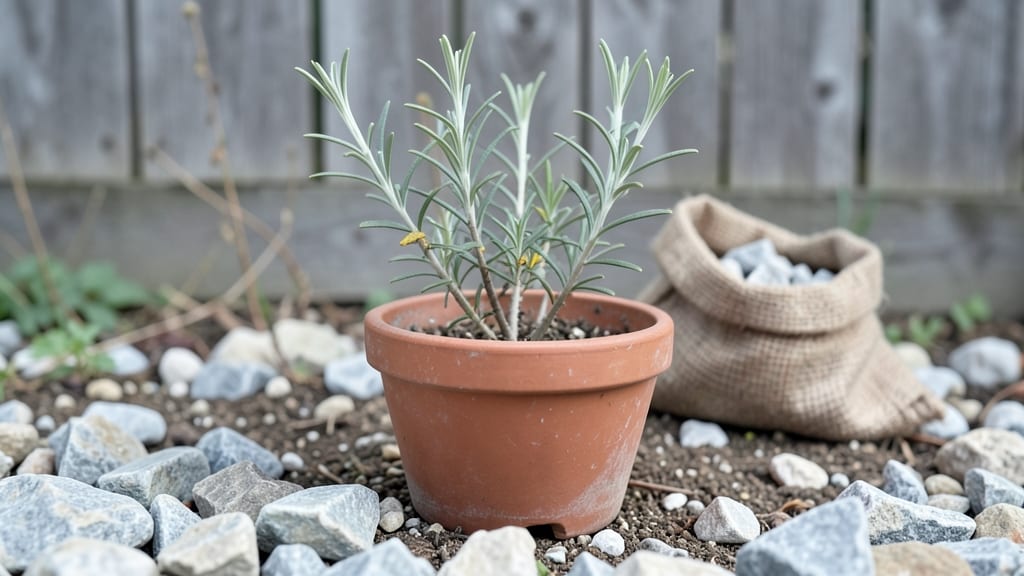
Using limestone in your garden raises soil pH levels, creating ideal growing conditions for acid-sensitive plants like tomatoes, blueberries, and roses. Spread crushed limestone evenly and test soil pH every 6-12 months for best results.
Limestone works by neutralizing soil acids through a chemical reaction that binds hydrogen ions, gradually raising pH over time.
This process is especially effective in clay-heavy soils where compaction slows drainage and nutrient uptake. 🌱 For example, blueberries thrive in pH 4.5-5.5 but can suffer in slightly alkaline conditions—limestone helps maintain that delicate balance without overcorrecting.
Most gardeners apply 5-10 pounds per 100 square feet, working it into the top 6 inches of soil in early spring or fall when microbial activity is highest.
A simple DIY test using a pH meter or soil kit after application ensures you're not overdoing it—over-alkalizing can harm acid-loving plants just as much as under-correcting.
💡 In This Article
- How Limestone Adjusts Soil pH Chemistry
- Best Plants and Application Rates for Limestone
How limestone adjusts soil pH chemistry
When you add crushed limestone to acidic soil, you're essentially introducing calcium carbonate (CaCO₃), which reacts with hydrogen ions (H⁺) in the soil solution. This chemical reaction—called neutralization—produces calcium bicarbonate (Ca(HCO₃)₂) and water (H₂O), effectively reducing acidity.
The key here is that limestone doesn't dissolve instantly; it breaks down slowly, releasing calcium ions that gradually buffer the soil's pH over 3-6 months. This slow release is why sudden applications can over-alkalize delicate ecosystems.
The process works differently in clay versus sandy soils. In clay-heavy soil, the fine particles create tiny pockets where limestone particles nestle, slowing dissolution and extending the pH adjustment period.
Sandy soils, with their larger particles and better drainage, allow limestone to dissolve faster—sometimes too quickly, causing pH spikes that can stress plants.
The texture of limestone matters too: finer particles (mesh size 8-12) disperse more evenly, while coarse limestone may leave uneven pH zones in your garden. 🔥
What most gardeners don't realize is that limestone's effectiveness depends on soil moisture. Dry soil locks limestone particles in place, delaying reactions until water reactivates them. That's why spring or fall applications—when rainfall is steady but not excessive—yield the best results.
The optimal pH range for most vegetables sits between 6.0-7.0, but blueberries and azaleas need 4.5-5.5, so applying too much limestone can turn your garden into an alkaline wasteland overnight.
Here's the science behind gradual application: Each pound of limestone raises soil pH by about 0.5 units per 100 square feet of topsoil. For example, to raise pH from 5.0 to 6.5 in a 100 sq ft area, you'd need roughly 3 pounds of limestone.
Over-application doesn't just waste money—it can immobilize essential nutrients like phosphorus and manganese, making them unavailable to plants. Think of limestone as a slow-release fertilizer for your soil's pH balance.
One visual cue to monitor: Healthy soil should have a crumbly texture with earthy aroma. After adding limestone, you might notice a temporary white residue (calcium carbonate) on the soil surface—this is normal and will dissolve with watering.
For clay soils, mix limestone into the top 6 inches to maximize contact with acidic layers, while sandy soils benefit from surface application followed by light tilling. The goal is to create a uniform pH environment where roots can thrive without stress. ✨
Pro tip: Test your soil's buffer capacity first. Some soils resist pH changes due to high organic matter or mineral content. A simple jar test (mixing soil with water and vinegar) can reveal how much limestone your garden will actually need.
Start with half the recommended dose, wait 2-3 months, then retest before reapplying—this precision prevents overcorrection and keeps your garden's chemistry in balance.