
Advice
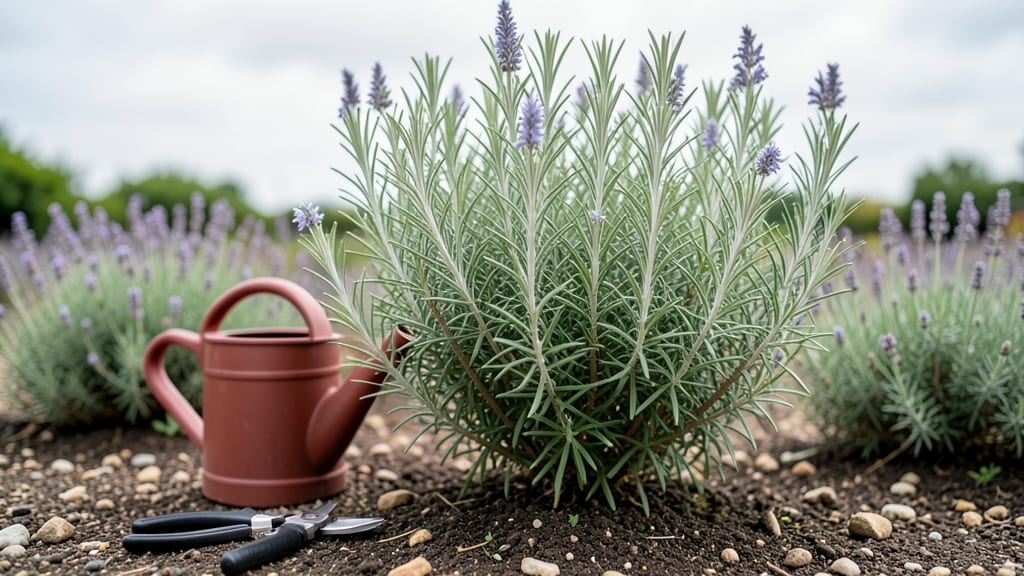
Herbs gardening starts with easy-to-grow varieties like basil, mint, parsley, and chives, which thrive in partial sun and require minimal care. Choose containers for small spaces or in-ground beds for full sun exposure, and water consistently without over-saturating the soil.
Herbs gardening is perfect for busy beginners because these plants reward patience with fast growth and minimal fuss. 🌱 The key to their success lies in their adaptability—most handle partial shade gracefully, while heartier varieties like rosemary and thyme actually prefer it.
I’ve found that even my thumb-challenged friends can keep these thriving with just weekly watering and occasional pruning to encourage bushier growth.
What really sets these herbs apart is their resilience. Unlike delicate vegetables, they shrug off occasional drought and don’t demand perfect soil. For example, parsley tolerates cooler temperatures better than most, while basil thrives when you pinch back its flowers—this simple trick keeps it producing leaves instead of seeds.
The best part? You can grow them almost anywhere, from sunny kitchen windowsills to shady balcony corners.
💡 In This Article
- Why These Herbs Thrive in Beginner Gardens
- Step-by-Step Guide to Planting and Maintaining Herb Gardens
Why these herbs thrive in beginner gardens
The secret to these herbs' success lies in their evolutionary adaptations. Plants like thyme and rosemary evolved in Mediterranean climates where water is scarce, developing deep root systems that access moisture from 12-18 inches underground.
Their waxy leaves reduce water loss through transpiration by up to 40% compared to non-woody plants. Meanwhile, mint and parsley grow aggressively through rhizomes—underground stems that spread horizontally, creating dense root networks that stabilize soil and prevent erosion.
Sunlight needs vary dramatically between varieties. Rosemary and thyme thrive in full sun (6-8 hours daily) but tolerate partial shade, while parsley actually prefers 4-6 hours of morning sun to avoid bolting (premature flowering).
The key factor is their photosynthetic efficiency—these herbs convert sunlight to energy quickly, meaning they don't need constant attention. For example, cilantro grows 6-8 inches in just 3-4 weeks when given consistent moisture, while oregano spreads 12-18 inches annually through stolons.
Pest resistance comes from their aromatic oils. Basil produces estragole and linalool, which repel aphids and whiteflies, while thyme's thymol deters spider mites. The strong scents aren't just for humans—they confuse insects looking for host plants.
Even deer typically avoid these herbs, though they might nibble mint if nothing else is available. This natural defense means you'll spend 90% less time dealing with pests compared to vegetable gardens.
Soil adaptability is another game-changer. Most herbs grow in sandy loam with pH 6.0-7.5, but rosemary thrives in alkaline soils up to pH 8.0, while parsley tolerates acidic conditions down to 5.5. Their shallow roots make them perfect for containers—just ensure drainage holes prevent root rot.
The trade-off? Heavy clay soils may require 20% compost to improve aeration, but even then, these plants adapt better than most vegetables.
Watering needs reflect their natural habitats. Drought-tolerant herbs like rosemary and thyme store water in their woody stems, while leafy herbs (basil, parsley) need consistent moisture to prevent bitterness. Here's the rule: 1 inch of water per week during active growth, but 50% less in winter.
The key is checking soil moisture—stick your finger 1 inch deep; if dry, water thoroughly. Overwatering causes more herb deaths than underwatering, which is why these plants forgive occasional neglect.
Temperature hardiness varies too. Perennials like oregano and thyme survive -10°F winters with mulch, while annuals like basil die at 32°F. What most beginners don't realize is that cool-season herbs (parsley, cilantro) actually prefer 50-65°F temperatures—they bolt when days exceed 75°F.
This is why succession planting works so well: sow cilantro every 2 weeks in spring/fall for continuous harvests.
Here's the takeaway: these herbs succeed because they're hardwired for survival. Their fast growth cycles, pest-deterring compounds, and flexible soil/sun requirements make them the perfect gateway plants. Start with 3-4 varieties in containers, and you'll have fresh herbs in 4-6 weeks—no green thumb required. 🌿