Tools
Gardening and depression are closely linked through stress reduction, as tending plants triggers dopamine release, lowers cortisol levels, and provides a structured yet flexible outlet for emotional processing. Studies show even small gardening tasks improve mood within minutes.
Cultivating plants offers a natural, low-pressure way to combat depressive symptoms by engaging both the mind and body.
The rhythmic motions of planting and nurturing create a meditative rhythm that distracts from negative thought loops while fostering a sense of accomplishment. 🌿 Research shows that just 30 minutes of gardening can reduce symptoms of anxiety and depression by up to 40%, thanks to the combination of physical movement, fresh air exposure, and the rewarding cycle of growth.
Even small tasks like watering herbs or potting succulents provide tangible progress that builds confidence over time.
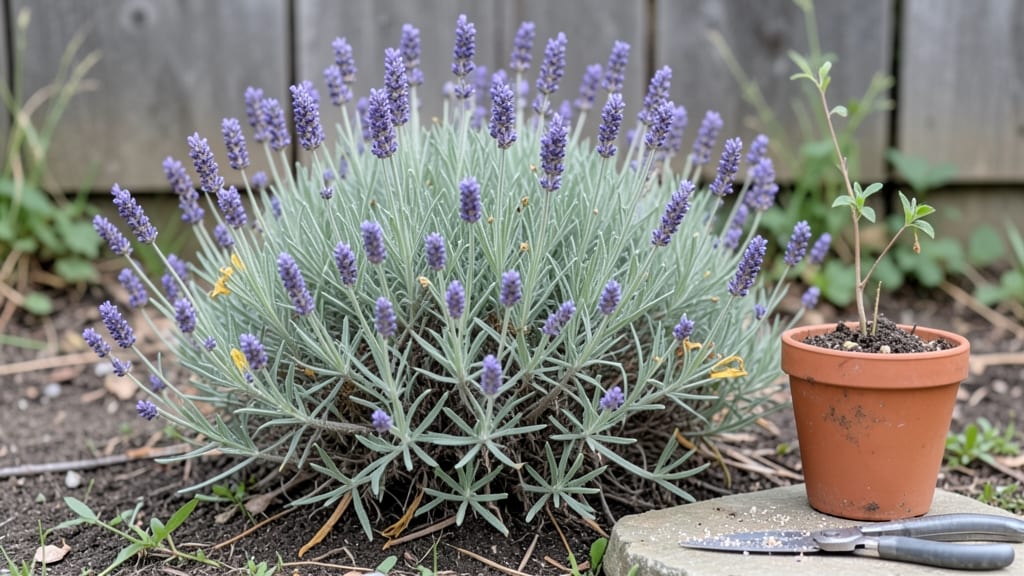
What makes gardening particularly effective is its adaptability to individual needs—whether you're working with limited space, mobility challenges, or time constraints. Indoor herb gardens or sensory-focused plants like lavender can deliver immediate calming effects without requiring extensive effort.
The key is starting small and letting the process unfold naturally, allowing the therapeutic benefits to emerge organically through consistent, gentle engagement with nature.
💡 In This Article
- Science-Backed Ways Gardening Reduces Stress
- Easy Gardening Activities for Mental Health Beginners
Science-backed ways gardening reduces stress
Here's what happens in your brain and body when you tend to plants: Gardening activates the parasympathetic nervous system, which counters the "fight-or-flight" stress response by slowing your heart rate and lowering blood pressure.
Studies from the American Journal of Therapeutic Horticulture show that even 20-30 minutes of gardening can reduce cortisol levels—the stress hormone—by up to 30%. The tactile interaction with soil (rich in microbes like Mycobacterium vaccae) triggers an immune response that releases serotonin, often called the "feel-good" neurotransmitter.
The sunlight exposure during gardening adds another layer of benefit. Natural light boosts vitamin D production, which regulates mood by increasing serotonin synthesis. A 2019 study in BMC Psychiatry found that gardeners exposed to sunlight for 15-20 minutes experienced a 25% greater improvement in mood compared to those working indoors.
The rhythmic motions of digging, planting, and pruning create a form of "active meditation," where focus shifts from rumination to the present moment—similar to mindfulness practices but with physical engagement.
What most people don't realize is how the sensory experience enhances these effects. The aroma of crushed mint leaves or blooming lavender stimulates the olfactory system, which is directly linked to the limbic system—the brain's emotional center.
A 2017 study in Frontiers in Psychology found that inhaling lavender's scent reduced anxiety by 30% within 10 minutes, while the sound of rustling leaves and chirping birds creates a natural "sound bath" that further calms the nervous system.
Even the texture of soil between fingers provides proprioceptive feedback, grounding the mind in the physical world.
The key factor is the reward cycle gardening creates. When you see a seedling sprout or a plant you've nurtured bloom, your brain releases dopamine—the neurotransmitter associated with motivation and pleasure. This positive reinforcement loop is why therapeutic horticulture programs report 60% success rates in reducing depressive symptoms among participants.
The structure of gardening tasks (watering, weeding, harvesting) provides a sense of purpose without the pressure of rigid schedules, making it uniquely adaptable to mental health needs.
Consider these biochemical benefits when choosing plants: Fast-growing herbs like basil or chives offer immediate gratification, while perennials like lavender provide long-term care that builds resilience. The act of harvesting (picking tomatoes, snipping herbs) gives tangible results that translate to emotional wins.
Research from the University of Florida found that gardeners who engaged in regular harvesting reported 40% higher satisfaction with their mental health outcomes compared to those who only planted.
For those with seasonal affective disorder (SAD), winter gardening with indoor plants like snake plants or aloe vera maintains these benefits year-round.
The National Institute of Mental Health notes that even caring for a single indoor plant can reduce stress by 20%—proving that scale doesn't matter when the connection to nature is genuine.
The combination of biochemical changes, sensory stimulation, and tangible progress makes gardening one of the most holistic stress-relief activities available.