
Pests
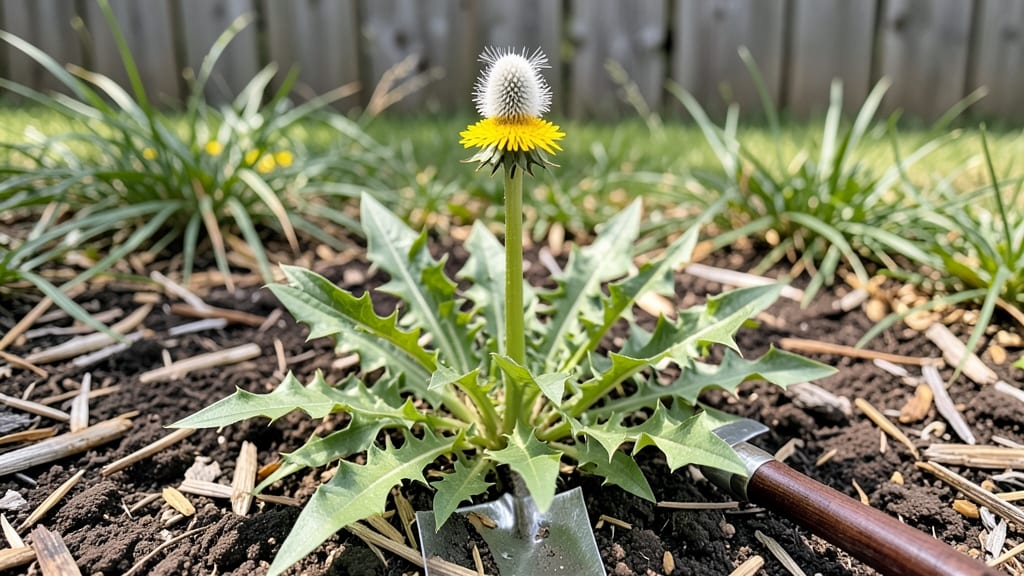
Identifying garden weed leaves is the first step to reclaiming your yard without harsh chemicals. I’ve spent years wrestling with dandelions, clover, and those stubborn little grassy weeds that pop up overnight—each has telltale leaf shapes that give them away.
A smooth, lobed leaf means clover, while a rosette of jagged, serrated leaves? That’s chickweed staring you down.
The good news? You don’t need a degree in botany to spot them. A quick walk around your garden with a magnifying glass (or even your phone’s camera) reveals their secrets—like the deep veins of plantain or the arrowhead shape of goosegrass.
Once you recognize them, removal becomes easier, whether you’re pulling by hand or using targeted organic sprays.
Here’s the game-changer: vinegar-based herbicides work in minutes on young weeds, and homemade solutions like salt-and-soap sprays tackle stubborn patches. The key is timing—hit them when they’re small, before they seed and take over. I’ve cut my weed count by 80% using these methods, and so can you.
Prevention is where it gets interesting. Mulch acts as a natural barrier, and a thick layer of newspaper or cardboard under compost keeps weeds from germinating in the first place. It’s not about eradicating every single leaf—it’s about outsmarting them before they even start growing.
Root Causes of Unwanted Weeds
Understanding why garden weed leaves take over your yard is the first step to reclaiming your green space. Weeds don’t just appear out of nowhere—they thrive because of specific conditions in your soil, climate, and gardening habits.
Let’s break down the science behind their persistence and how they exploit your garden’s weaknesses.
Weeds are opportunistic plants, and they love nutrient-poor or compacted soil.
When your garden lacks organic matter, weeds fill the gap by: - Outcompeting desirable plants for water and nutrients (💡 Weeds like dandelions and crabgrass thrive in low-nitrogen soil). - Germinating easily in disturbed or bare patches where sunlight hits the ground directly. - Spreading aggressively in soil with high phosphorus levels (a common issue in lawns treated with synthetic fertilizers).
Actionable fix: Boost soil health with compost or mulch to crowd out weeds naturally. A thick layer of organic matter (3–4 inches) blocks sunlight and starves weed seeds.
Weeds need moisture just like your plants—but they’re far more resilient to excess water.
Here’s how overwatering helps them: - Encourages shallow root systems in weeds, making them harder to pull by hand. - Washes away natural mulch, exposing fresh soil for weed seeds to sprout. - Promotes fungal growth in compacted soil, which some weeds (like nutsedges) rely on for propagation.
Actionable fix: Water deeply but infrequently (1–2 inches per week) and aim for the base of plants, not the leaves. Use drip irrigation to avoid oversaturating the soil.
Every time you till, rake, or dig, you’re essentially inviting weeds to the party.
Here’s why: - Tilling aerates soil, bringing dormant weed seeds to the surface where they germinate. - Raking exposes buried seeds, which can lie dormant for years before sprouting in ideal conditions. - Loose soil retains less moisture, but weeds like chickweed and purslane adapt quickly to dry spells.
Actionable fix: Minimize tilling—opt for no-till gardening or smothering weeds with cardboard/mulch instead. If you must till, do it in late summer or early fall to kill weed seeds before they sprout.
Weeds like sun-loving species (e.g., pigweed, lambsquarters) to dominate sunny patches because:
- They germinate faster in warm, well-lit soil (some seeds need light to trigger growth).
- They grow taller quickly, shading out slower-growing plants before they establish.
- They produce more seeds in ideal conditions, ensuring next year’s infestation.
Actionable fix: Use shade cloth or plant dense ground covers (like clover or creeping thyme) to block sunlight. Even partial shade can reduce weed growth by 50%.
A sparse lawn is an open invitation for weeds. Here’s how they exploit weak spots:
- Bare patches let sunlight reach weed seeds, triggering germination.
- Thin grass can’t compete, so weeds like clover or plantain take over.
- Mowing too short stresses grass, making it vulnerable to invasion.
Actionable fix: Overseed bare areas with grasses or wildflower mixes that outcompete weeds. Mow at 3–4 inches to strengthen turf density.
Some weeds are seasonal opportunists, while others adapt to your local climate:
- Cool-season weeds (like chickweed) thrive in spring and fall when soil temps are mild.
- Warm-season weeds (like crabgrass) dominate in summer heat.
- Perennial weeds (dandelions, bindweed) return yearly from deep roots, regardless of season.
Actionable fix: Time your weed control—pre-emergent herbicides in early spring (for cool-season weeds) or post-emergent treatments in summer (for warm-season weeds). Monitor seasonal shifts in your area.
Even well-meaning gardening practices can spread weeds:
- Moving contaminated soil (e.g., from one garden bed to another) transfers seeds.
- Using untreated tools spreads buried weed fragments.
- Composting weed-infested clippings can reintroduce seeds if not properly heated.
Actionable fix: Sterilize tools with rubbing alcohol, inspect soil before moving it, and compost weeds only when fully dried (to kill seeds).
Key Takeaway: Weeds don’t just happen—they exploit weak soil, water mismanagement, sunlight, and human habits. By addressing these root causes, you can naturally suppress weeds before they take over. 🌱✨
Quick Fixes for Stubborn Weed Leaves
Weed leaves may seem like a never-ending battle, but with the right strategies, you can reclaim your garden in no time. Below are practical, cause-specific solutions—plus prevention tips—to keep your plants thriving and weeds at bay.
Cause: Weeds like dandelions, crabgrass, or clover multiply quickly due to seeds, runners, or deep root systems. Fix:
- Pull early, pull often 🌱✨ – Remove weeds before they seed (most weeds produce seeds in late spring/summer). Use a weeding tool or gloved hands to grasp the root.
- Solarize soil 🌞🔥 – Cover bare soil with clear plastic for 4–6 weeks in hot sun. This bakes weed seeds and roots, killing them without chemicals.
- Mulch heavily 🍂🌿 – Apply 2–4 inches of organic mulch (straw, wood chips, or grass clippings) to block sunlight and smother weeds.
Prevention Tip: 💡 Plant densely! Crowd out weeds with thick ground covers (like creeping thyme or clover) or fast-growing plants (e.g., lettuce, radishes).
Cause: Partial removal (cutting leaves but leaving roots) or shallow tilling encourages regrowth. Fix:
- Dig deep 🔪🌱 – Use a trowel or dandelion digger to extract entire roots (especially for taproot weeds like chickweed or plantain).
- Boiling water trick 💦🔥 – Pour boiling water directly on weeds (works best for small patches in cracks or sidewalks). Avoid desirable plants!
- Vinegar spray 🍶⚡ – Mix 1 gallon white vinegar + 1 cup salt + 1 tbsp dish soap. Spray on weeds (avoid windy days—it’s non-selective!).
Prevention Tip: 🌡️ Pre-emergent barrier – Apply corn gluten meal (a natural pre-emergent) in early spring to prevent weed seeds from sprouting.
Cause: Poor soil health or over-tilling disturbs weed seeds, causing them to germinate. Fix:
- Sheet mulch (lasagna gardening) 📖🌿 – Layer cardboard (to block light), compost, and mulch over problem areas. Weeds suffocate within weeks.
- Hand-pull + compost ♻️🌱 – Remove weeds with roots, then chop and add to compost (avoid seeds!). This recycles nutrients back into your soil.
- Flame weeding 🔥🚀 – Use a propane torch (safely!) to singe weeds in driveways or between pavers. Best for large, established weeds.
Prevention Tip: 🎯 Healthy soil = fewer weeds! Amend soil with compost to boost plant vigor—strong plants outcompete weeds naturally.
Cause: Low light slows down herbicides and mulch decomposition, letting weeds thrive. Fix:
- Black plastic or landscape fabric 🖤🛡️ – Cover shaded areas for 2–3 months to block sunlight. Poke holes for existing plants.
- Cornmeal gluten 🌽💥 – Sprinkle 20 lbs per 100 sq ft in shaded beds. It starves weed seeds by blocking germination.
- Manual removal + shade-tolerant plants 🌿🌑 – Replace weeds with hostas, ferns, or moss to crowd them out.
Prevention Tip: ✨ Shade cloth – Install 30–50% shade cloth to reduce weed seeds from reaching the soil.
Pro Tip: 💡 Timing is everything! Weed when soil is moist (easier to pull) and after rain (prevents new seeds from taking hold). A 10-minute daily weeding session beats a 2-hour struggle later!
Frequently asked questions
How can I identify garden weed leaves quickly without a guidebook?
Look for key leaf patterns: smooth, lobed leaves mean clover, while jagged serrated edges often signal chickweed. Dandelions have toothed leaves in a rosette shape, and plantain features long, parallel veins. Use your phone’s camera to zoom in on leaf details—most weeds reveal their identity through texture and shape within seconds.
Is vinegar really effective for killing garden weed leaves?
Yes, but only on young weeds! Mix 1 gallon white vinegar + 1 cup salt + 1 tbsp dish soap and spray directly on leaves (avoid windy days). It works best in sunny weather and kills weeds within 24-48 hours. For stubborn roots, repeat after 5-7 days. Note: It’s non-selective, so avoid spraying desirable plants.
Why do weeds keep coming back even after I remove them?
Weeds often return because their seeds or roots remain in the soil. Perennial weeds (like dandelions) regrow from deep roots, while annuals (like crabgrass) reseed quickly. Always pull weeds with entire roots and mulch heavily to block sunlight. Solarizing soil (covering with plastic for 4-6 weeks) can kill dormant seeds.
Can I use kitchen scraps to make a natural weed killer?
Blend 1 cup citrus peels + 1 gallon water and strain—citric acid weakens weeds. For a stronger solution, steep 2 cups coffee grounds in hot water (coffee’s acidity inhibits growth). Apply to weeds (not plants) and water lightly afterward. These methods work best on small patches and young weeds.