
Tools
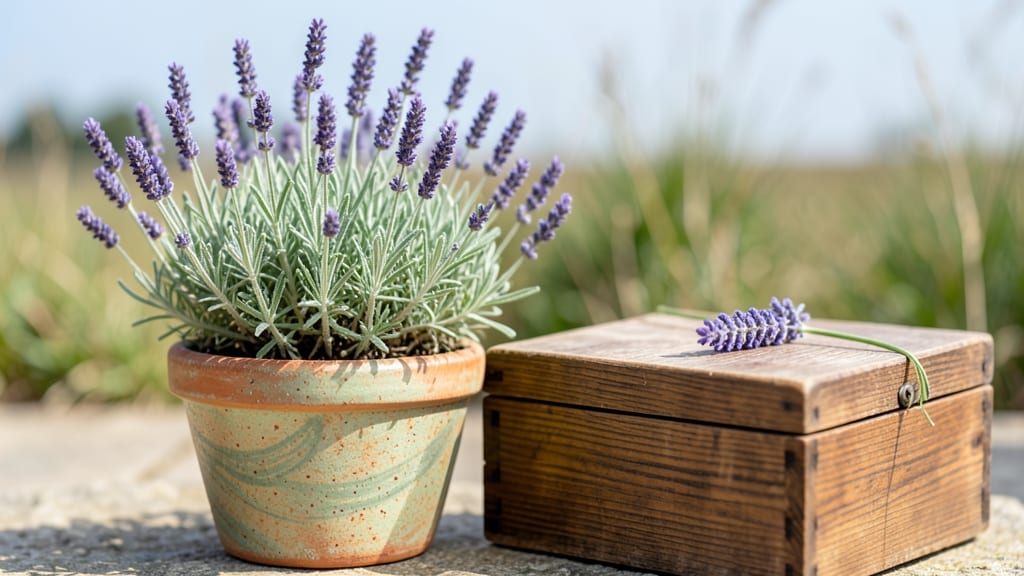
Garden-themed gifts bring plant enthusiasts joy by merging artistry with functionality—think handcrafted ceramic pots, heirloom-quality seed packets, or living wall planters that serve as both decor and growing spaces. These presents often include unique touches like floral-pressed stationery or customizable garden markers, making them deeply personal.
These gifts aren't just about plants—they're about celebrating the green lifestyle in a tangible way. 🌿 Handmade options like woven plant hangers or upcycled glass jars with succulents add an eco-friendly twist, while practical gifts like self-watering planters solve real problems for busy gardeners.
The best part? Many can be personalized to reflect the recipient's specific tastes, whether it's their favorite flowers or a custom monogram.
For those who love the process as much as the product, DIY kits for making seed bombs or terrariums let recipients create their own gifts—doubling the fun. Even small touches like hand-painted garden stones or embroidered gardening gloves can turn a simple purchase into something memorable.
The key is balancing beauty with utility, so every gift feels both special and useful.
💡 In This Article
- Crafting Garden Gifts with Natural Materials
- Top 5 Customizable Garden-Themed Gift Ideas
Crafting garden gifts with natural materials
Handmade garden gifts resonate because they tap into the emotional connection people have with nature. Using materials like reclaimed wood, dried botanicals, or recycled glass creates a tangible link to the earth—something mass-produced items can't replicate.
The tactile experience of touching a handcrafted wooden planter or a terrarium made from repurposed glass jars adds a layer of mindfulness that digital gifts simply can't provide.
This connection to natural materials also aligns with the growing trend of sustainability, where recipients appreciate gifts that reduce waste and honor craftsmanship. 🌱
One of the most popular techniques is creating seed bombs, which combine clay, soil, and native wildflower seeds into small, biodegradable balls. These can be thrown into gardens or vacant lots, where they decompose and grow into vibrant blooms.
The process involves mixing 2 parts clay, 1 part compost, and 1 part soil, then adding seeds and a binder like molasses or honey for moisture retention. Each seed bomb becomes a miniature ecosystem, demonstrating how small actions can foster biodiversity.
Similarly, terrariums use recycled glass containers filled with moss, small plants, and decorative stones, creating self-sustaining microcosms that thrive with minimal care.
Upcycling garden tools into decorative pieces is another way to add value to natural materials. Old wooden rakes or metal shears can be transformed into wall art or plant stands with a little creativity—think stained wooden handles turned into coat hooks or rusted tools repurposed as candle holders.
The key here is preserving the material's original character while giving it new life. For example, a vintage garden spade with a worn wooden handle can become a striking planter when the blade is removed and the handle sanded smooth.
This approach not only reduces waste but also tells a story through the gift's history. 🔨
Dried botanicals, like pressed flowers or dried citrus slices, add both beauty and practicality to garden gifts. Pressed flowers can be framed as art, embedded in resin for jewelry, or even used to create bookmarks or stationery.
Dried citrus slices, on the other hand, make fragrant potpourri or natural air fresheners when combined with essential oils. The process of drying botanicals involves layering them between absorbent paper for 2-4 weeks, depending on the material, until they become crisp and lightweight.
These gifts offer a sensory experience—whether it's the aroma of dried lavender or the visual appeal of a flower arrangement preserved in time.
What makes these materials so appealing is their dual role as both functional and decorative. A handcrafted wooden planter, for instance, serves as a home for plants while also adding rustic charm to a space.
The natural imperfections—like knots in the wood or variations in glass texture—become part of the gift's appeal, making each piece uniquely imperfect. This authenticity resonates with people who value slow, mindful living over disposable trends.
By choosing natural materials, you're not just giving a gift; you're offering an experience rooted in sustainability and creativity. 🌿