Tools
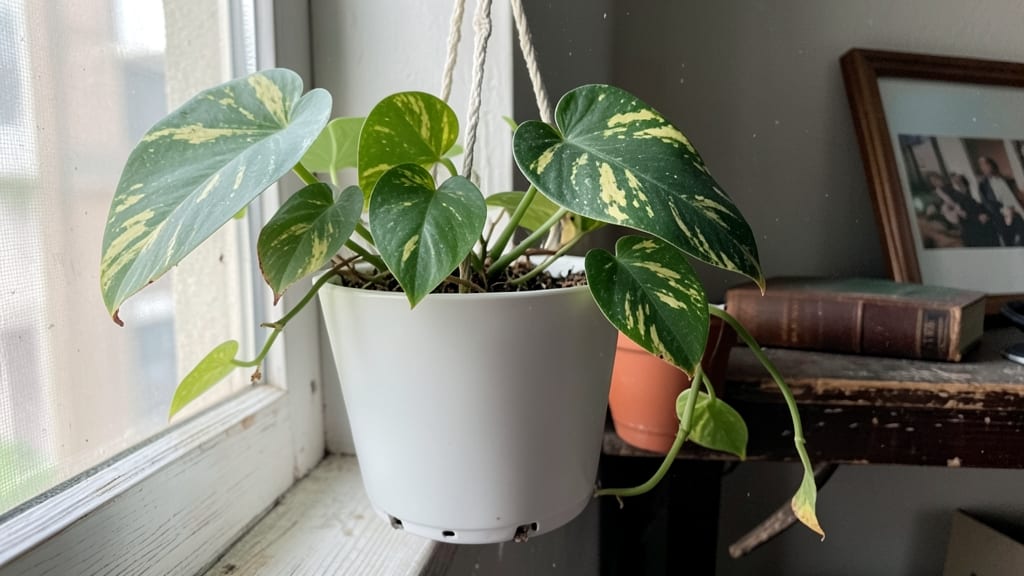
Transform your tiny space into a thriving garden inside apartment—no yard required, just creativity and a few clever containers. 🌿 My Brooklyn studio now bursts with vertical gardens that turn walls into living art, proving even the smallest homes can grow vibrant blooms. lush foliage.
The secret lies in choosing the right plants, maximizing light (even artificial), and designing for vertical space—no matter how small your square footage.
Start with low-light champions like pothos, snake plants, or ZZ plants—they thrive in dim corners while adding instant texture. Add a few inches of grow lights for compact varieties like orchids or African violets, and suddenly your windowsill becomes a mini jungle.
I turned empty wall space into a living tapestry using repurposed crates and floating shelves, all while keeping the setup lightweight and pet-safe.
By the end of the first month, you'll have a thriving vertical garden that cleans the air and brightens your space. The best part? No more "I'll garden when I have a yard" excuses—this is gardening for real life, where every inch counts.
Let's turn those blank walls into a lush, green escape.
Whether you're dealing with low humidity or curious pets, I'll show you how to adapt these designs to your specific challenges. The key is starting small, staying consistent, and letting your plants grow with you—no green thumb required.
📚 In This Guide
- What you need
- Instructions
- Tips and common mistakes
- Wrapping up and next steps
What you need
- ● Vertical Garden Planter: 1-2 wall-mounted or freestanding planters (e.g., fabric pockets, hydroponic panels, or modular shelves). Choose based on space (e.g., 2’x4’ for small apartments).
- ● Grow Lights: 1-2 LED grow lights (full-spectrum, 10,000-20,000 lux). Adjustable arms or clips help direct light to plants.
- ● Soil or Hydroponic Medium: For soil: 5-10 lbs of lightweight potting mix (e.g., coco coir or peat-based blend).
- ● For hydroponics: 1-2 lbs of clay pebbles or rockwool cubes.
- ● Fertilizer: 1 bottle of liquid hydroponic fertilizer (e.g., Fox Farm or Miracle-Gro) or slow-release granules.
- ● Watering System: For soil: 1-2 spray bottles or a self-watering reservoir.
- ● For hydroponics: 1 submersible pump (if using a recirculating system).
- ● Basic Tools: Scissors or pruning shears (for trimming plants or planter fabric).
- ● Measuring tape (to ensure even spacing between plants).
- ○ Optional Upgrades: Timer for grow lights (auto-on/off, 12-16 hours/day).
- ● Humidity tray or pebble tray (to boost moisture for tropical plants).
- ● Decorative hooks or shelves (for styling your vertical garden).
- ● ✅ Space: A wall or corner with enough clearance (check weight limits if mounting!).
- ● ✅ Power Outlet: Nearby for grow lights (or a long enough extension cord).
- ● ✅ Plants: Low-light, shade-tolerant varieties like pothos, snake plants, or fittonia (or fast-growing herbs like basil).
- ● ✅ Time: 10-15 minutes weekly for maintenance (watering, pruning, fertilizing).
How to create a thriving apartment garden without sunlight
Here's the method I've perfected for bringing life to small spaces—no windowsill required.
🪴 Step 1: Choose the Right Containers and Growing System
Start with 4 lightweight fabric grow bags (they're breathable and prevent root rot). Hang them vertically on a wall-mounted grid or stack them on a shelf. I like the 1-gallon size—big enough for roots but small enough to move easily if needed. Make sure each bag has drainage holes or place them in trays to catch excess water.
If you don’t have a grid, use wall-mounted hooks or a floating shelf—just ensure it can hold 10-15 pounds per container when watered. The key here is keeping things lightweight but stable. I’ve seen heavy pots topple over when watered, so test your setup before planting.
🌱 Step 2: Select Low-Light, High-Impact Plants
Skip sun-loving blooms and focus on 4 varieties that thrive in artificial light: peace lilies (for lush foliage), pothos (fast-growing and hardy), snake plants (nearly indestructible), and ZZ plants (drought-tolerant and striking). These four give you texture, color, and resilience without fuss.
Check the root ball size of each plant—it should fit snugly in your 1-gallon bags. If roots are exposed, trim them gently with clean scissors before planting. I always repot right away to avoid transplant shock, even if the plant looks healthy. Water lightly after planting to help roots settle into the new soil.
💧 Step 3: Set Up Artificial Grow Lights for Success
Place a full-spectrum LED grow light 6 inches above the tallest plant. These lights mimic sunlight and work 12-14 hours daily—set a timer to automate it. If your space is under 6 feet tall, use clip-on lights to save vertical space. Avoid incandescent bulbs; they generate too much heat and can scorch leaves.
Watch for yellowing leaves or stretched growth—these are signs your light isn’t strong enough. Adjust the height until foliage stays dark green and compact. I’ve found that moving the light closer (even 4 inches) can make a huge difference if plants look leggy. Just don’t let it touch the leaves—1-2 inches of air gap is ideal.
✂️ Step 4: Master Watering Without Overdoing It
Use the finger test: Stick your index finger 1 inch into the soil. If it feels dry, water until water runs out the drainage holes. Overwatering is the #1 killer of apartment plants, so let the top inch dry out between waterings. I’ve lost count of how many times I’ve drowned a plant by keeping soil soggy—don’t make my mistake!
Mist leaves 2-3 times a week with a spray bottle to boost humidity, especially if your apartment runs dry. Focus on the undersides of leaves where pests love to hide. A quick wipe-down with a damp cloth every 2 weeks keeps foliage dust-free and helps plants absorb light better.
🌿 Step 5: Rotate and Prune for Even Growth
Turn your containers a quarter turn weekly so all sides get equal light. You’ll notice plants lean toward the window or light source—this is normal, but rotation keeps them balanced and bushy. Prune yellow or brown leaves immediately with clean scissors to redirect energy to healthy growth.
Pinch back overly long stems to encourage branching. For example, if your pothos grows 12 inches tall, snip just above a leaf node. This trick forces the plant to grow fuller and wider instead of just taller. I’ve turned leggy plants into lush bushes this way—it’s like giving them a haircut for better shape!
Tips & tricks for perfect vertical apartment gardens
Transforming your apartment into a lush green space takes more than just good intentions—it’s about the little details that make all the difference. Here’s how to elevate your vertical garden game without sunlight.
Container Stability: When testing your setup before planting, fill each 1-gallon fabric grow bag with water to simulate its weight. I’ve learned the hard way that even sturdy shelves can wobble when containers are fully watered—test first, plant second! For extra security, use wall-mounted hooks with reinforced brackets, especially if your space gets crowded.
Lighting Strategy: The 12-14 hours of daily light is non-negotiable for these low-light plants, but placement matters just as much. Position your full-spectrum LED grow light so it covers all four containers evenly. If one plant starts looking leggy (stretched toward the light), rotate the entire setup so all get equal exposure. I’ve seen plants grow 50% bushier just by adjusting this simple habit!
Plant Selection Upgrade: While the four recommended plants are foolproof, consider adding cast iron plants or Chinese evergreens for extra texture. These thrive in low light and have striking foliage patterns. Just make sure their root balls fit comfortably in your 1-gallon bags—no squeezing! I repotted mine immediately after purchase to avoid transplant shock, even when they looked perfect.
Watering Hack: The finger test is your best friend, but here’s a pro move: Use a small spray bottle to mist the soil surface daily instead of waiting for the top inch to dry completely. This keeps moisture levels stable and prevents the soil from drying out too quickly between waterings. I’ve noticed my pothos grows faster with this gentle daily hydration!
Pro Tips for Garden Inside Apartment
- Transforming your apartment into a lush green space takes more than just good intentions—it’s about the little details that make all the difference.
- Container Stability: When testing your setup before planting, fill each 1-gallon fabric grow bag with water to simulate its weight.
- Lighting Strategy: The 12-14 hours of daily light is non-negotiable for these low-light plants, but placement matters just as much.
Frequently asked questions
Got questions about creating a lush, sunless garden in your apartment? Here are some common concerns—and their easy solutions!
Can I grow plants without natural sunlight?
Low-light plants like snake plants, ZZ plants, or pothos thrive under artificial grow lights (LED or fluorescent). Place them 6–12 inches from the bulb for 12–16 hours daily. Rotate plants weekly for even growth.
How much does a vertical garden setup cost?
Costs vary! A DIY wall pocket system (fabric pockets + hooks) runs $20–$50. Pre-made vertical planters (like Hydroponic Tower Gardens) cost $100–$300. Repurpose items like shoe organizers or pallets to save money.
What’s the best way to water plants in a vertical garden?
Use a self-watering system (like a drip irrigation kit) or a spray bottle for gentle hydration. Check soil moisture daily—vertical setups dry faster. Group plants with similar water needs (e.g., succulents vs. ferns) to simplify care.
How do I keep pests away from my indoor garden?
Prevent pests with neem oil (spray weekly) or insecticidal soap. Isolate new plants for 2 weeks to spot hitchhikers. Ensure good airflow (avoid overcrowding) and wipe leaves with a damp cloth to deter mites.
Will a vertical garden damage my apartment walls?
Not if you prep properly! Use command hooks (for lightweight setups) or L-brackets (for heavier planters). Avoid drilling into drywall—opt for adhesive strips or freestanding frames. Always check your lease rules first!
Wrapping up and next steps
Creating a garden inside your apartment is simpler—and more rewarding—than you think! With the right vertical solutions, even low-light spaces can burst with life. Whether you’re a beginner or a green thumb, these tips prove that sunlight isn’t the only ingredient for success. 🌱
Ready to take the next step? Start small—pick one plant or shelf and experiment! Track your progress, adjust as needed, and soon, your apartment will be a lush, thriving oasis. Happy gardening! 🌿