
Planting
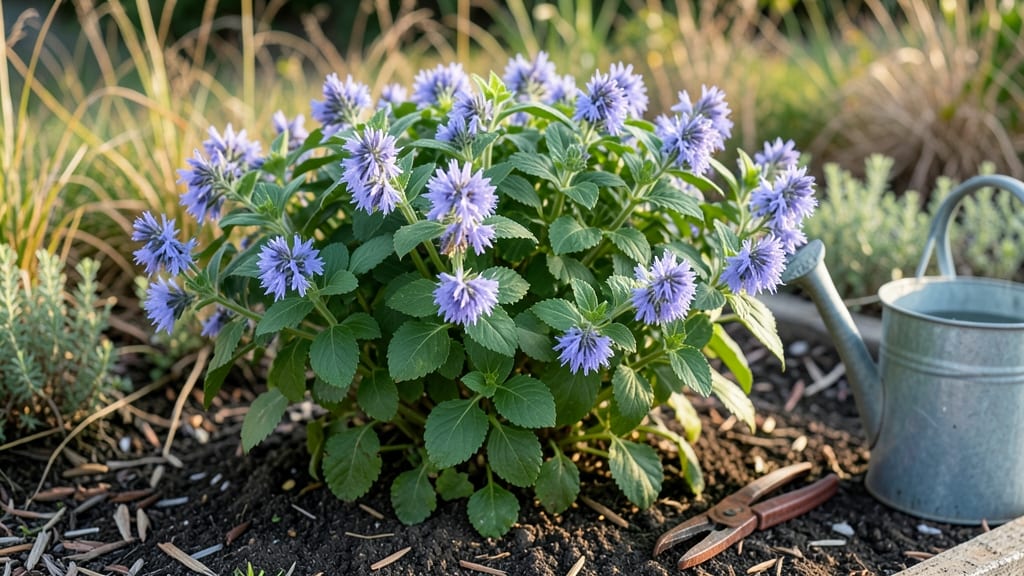
Growing garden heliotrope means waking up to a yard that smells like vanilla and chocolate—especially as the sun sets. 🌿 I’ve grown this plant for years, and its intoxicating fragrance and ability to draw in bees and butterflies make it a must-have for any garden.
The key is getting the light and soil right from the start, because once it’s happy, it thrives with almost no fuss.
The plant loves full sun but tolerates partial shade, making it versatile for different yard spots. Well-draining soil is a must—heavy, soggy ground will rot the roots faster than you can say "vanilla scent." Start seeds indoors 8-10 weeks before your last frost, or buy young plants in spring.
They grow fast, reaching 2-3 feet tall, so give them space to spread if you want a lush, fragrant hedge.
By midsummer, you’ll have clusters of lavender-blue flowers that release their signature scent in the evening—perfect for outdoor seating areas. The more you prune back leggy growth, the bushier and more fragrant the plant becomes.
Plus, it’s deer-resistant, so you won’t lose it to critters like you might with other favorites.
Works great in borders, containers, or as a pollinator magnet in the back of the garden. Once established, it’s drought-tolerant and nearly indestructible—just keep the soil moist until it gets going. Here’s how to get started without overcomplicating it.
📚 In This Guide
- What you need
- Instructions
- Tips and common mistakes
- Wrapping up and next steps
What you need
- ● Heliotrope seeds or nursery plant: Choose between Heliotropium arborescens (most common) or Heliotropium peruvianum (hardier variety). For seeds, aim for 5–10 seeds per plant (they germinate slowly). For transplants, 1–2 healthy plants per 12-inch pot or garden space.
- ● Well-draining potting mix or garden soil: 2–3 gallons per plant. Mix with 20–30% perlite or sand to improve drainage (heliotropes hate soggy roots!).
- ○ Containers (optional for pots): 5–7-inch diameter pots with drainage holes (or a garden bed with full sun exposure, 6+ hours/day).
- ● Balanced fertilizer (10-10-10 or 20-20-20): 1 tbsp per plant mixed into soil at planting, plus monthly liquid feedings during growing season.
- ● Watering can or hose with gentle spray nozzle: Keep soil consistently moist but not waterlogged.
- ● Pruning shears: For trimming leggy stems or deadheading spent blooms.
- ● Mulch (straw or shredded bark): 1–2 inches around plants to retain moisture and suppress weeds.
- ● Epsom salt (magnesium sulfate): 1 tbsp per gallon of water every 4–6 weeks for lush foliage.
- ● Pollinator-friendly companions: Plant near basil, marigolds, or lavender to attract bees and butterflies!
- ● Garden gloves: Protect your hands from prickly stems (especially when pruning).
How to grow garden heliotrope for pollinator-friendly evening fragrance
This hardy perennial thrives in partial shade and rewards you with intoxicating nighttime blooms.
🌱 Step 1: Select the Right Location and Prepare the Soil
Choose a spot with partial shade—heliotrope tolerates 4-6 hours of morning sun but wilts in afternoon heat. The soil should drain well but retain moisture, so amend heavy clay with 2-3 inches of compost mixed into the top 12 inches. I like to work in a handful of aged manure for extra nutrients without overwhelming the plant.
Loosen the soil to a depth of 12 inches with a garden fork, breaking up any compacted layers. Heliotrope roots spread shallowly but need loose soil to prevent rot. If your soil tests acidic, add dolomitic lime to raise the pH slightly—heliotrope prefers 6.0-7.0. A quick soil test kit makes this easy.
💧 Step 2: Plant Bare-Root or Container-Grown Heliotrope
For bare-root plants, soak the roots in lukewarm water for 30 minutes before handling. Dig a hole twice as wide as the root ball but only as deep—planting too deep suffocates the crown. Gently spread the roots outward and backfill with native soil mixed with 1 cup of compost per plant.
If using container-grown plants, remove from the pot and tease apart any circling roots. Set the plant in the hole so the top of the root ball sits level with the surrounding soil. Press firmly around the base to eliminate air pockets, then water deeply to settle everything. You'll know it's right when water drains through in 10-15 minutes—no standing pools.
☀️ Step 3: Water and Mulch for Consistent Moisture
Water deeply once a week during the first growing season, aiming for 1 inch of water per week. Let the soil dry slightly between waterings—heliotrope hates soggy roots but also struggles in drought. You'll see the leaves droop slightly when thirsty, then perk up after watering.
Spread 2-3 inches of mulch around the base, keeping it 2 inches away from the stem to prevent rot. I use shredded bark because it breaks down slowly and improves soil structure over time. Mulch also suppresses weeds, which compete for nutrients heliotrope needs to produce those signature blooms.
✂️ Step 4: Prune and Deadhead for Longer Blooming
Trim back leggy stems in early spring by one-third to encourage bushier growth. Use clean, sharp shears and cut just above a leaf node at a 45-degree angle. This redirecting of energy prevents floppy plants and promotes more compact blooms.
Deadhead spent flowers weekly by snipping the stem just below the faded bloom. You'll notice new buds forming within 7-10 days—this keeps the plant focused on producing fresh flowers rather than setting seed. A light feeding with balanced 10-10-10 fertilizer every 4-6 weeks during bloom time gives it the extra push it needs.
🪴 Step 5: Overwinter for Perennial Growth
Heliotrope is hardy to USDA Zone 5, but in colder climates, mulch heavily with 4-6 inches of straw or leaves before the first frost. This insulates the roots through winter. In Zone 6 and warmer, no special protection is needed—just let the plant go dormant naturally.
In early spring, remove old mulch and trim back any dead foliage. New growth will emerge from the base, and you'll see fresh leaves within 3-4 weeks of warming soil. This is your signal to resume regular watering and feeding for another season of fragrant blooms.
Tips & tricks for perfect garden heliotrope planting
A few key tricks will help your heliotrope thrive and reward you with those signature evening-scented blooms.
Soil Preparation Secret: In Step 1, don't skip the soil test—heliotrope's pH preferences are specific. If your soil tests below 6.0, dolomitic lime is your best friend. I've seen plants struggle in acidic soil despite perfect care. Spread the lime evenly and mix it into the top 12 inches before planting. The goal is gradual adjustment—don't overdo it in one application.
Root Handling Technique: That 30-minute soak for bare-root plants in Step 2 is non-negotiable. Cold water can shock the roots, while lukewarm water mimics natural spring conditions. After soaking, gently spread the roots outward in the hole—never force them. Think of it like opening a book: the roots should fan out naturally. This prevents root circling, which can strangle the plant as it grows.
Watering Wisdom: The "1 inch per week" guideline in Step 3 is perfect, but timing matters. Water in the morning so the foliage has all day to dry. Wet leaves at night invite fungal problems. I also recommend using a rain gauge or measuring cup to track your watering—eyeballing it can lead to either soggy soil or underwatering. The drooping leaves are your plant's way of saying "I need a drink," but by then it's already stressed.
Mulching Mastery: When you apply that 2-3 inches of mulch in Step 3, keep it 2 inches away from the stem to prevent rot. I've made this mistake and lost plants to crown rot. Use shredded bark mulch—it breaks down slowly and improves soil structure over time. Replenish it annually as it decomposes. This creates the perfect moisture-retaining environment without suffocating the plant.
Pro Tips for Garden Heliotrope Plant
- A few key tricks will help your heliotrope thrive and reward you with those signature evening-scented blooms.
- Soil Preparation Secret: In Step 1, don't skip the soil test—heliotrope's pH preferences are specific.
- Root Handling Technique: That 30-minute soak for bare-root plants in Step 2 is non-negotiable.
Frequently asked questions
Got questions about growing garden heliotrope? Here are some of the most common ones—plus quick, practical answers to help you nurture these fragrant beauties with confidence!
Is heliotrope easy to grow for beginners?
Heliotrope thrives in well-drained soil and full sun to partial shade, making it a forgiving choice for new gardeners. Just ensure it gets consistent moisture (but avoid soggy roots) and a spot with good airflow. With minimal fuss, you’ll enjoy its sweet, vanilla-like scent in no time!
When is the best time to plant heliotrope?
Plant heliotrope in early spring after the last frost, once soil temperatures reach at least 60°F (15°C). For warmer climates, fall planting is ideal—just avoid extreme heat or cold. If starting from seeds, sow indoors 8–10 weeks before the last frost for a head start!
How do I keep pests away from my heliotrope?
Heliotrope is generally pest-resistant, but watch for aphids or whiteflies. Spray infested areas with soapy water or introduce beneficial insects like ladybugs. For prevention, mulch around the base to deter soil-borne pests and ensure proper spacing (12–18 inches apart) for airflow.
Can I grow heliotrope in containers?
Yes! Heliotrope adapts well to containers, especially dwarf varieties like Heliotrope ‘Little Dorrit’. Use a pot at least 12 inches deep with drainage holes, and choose a well-draining potting mix. Place it in a sunny spot and water regularly—just avoid overwatering to prevent root rot. Perfect for patios or balconies!
Why isn’t my heliotrope blooming?
If your heliotrope is leafy but not flowering, it may need more sun (6+ hours daily), fertilizer (use a balanced 10-10-10 formula), or a pruning boost. Deadhead spent blooms to encourage new growth, and avoid overwatering. Patience helps—some varieties bloom later in the season!
What are some fragrant alternatives to heliotrope?
If you love heliotrope’s scent, try these fragrant picks:
- Lavender: Drought-tolerant and calming.
- Sweet Alyssum: Delicate white/purple blooms with a honey-like aroma.
- Night-Scented Stock: Blooms in evening like heliotrope.
- Jasmine: Climbing vine with intoxicating nighttime fragrance.
Wrapping up and next steps
The garden heliotrope plant is a fragrant, low-maintenance gem that brings magic to your evenings with its sweet scent and pollinator-friendly blooms. Whether you’re a seasoned gardener or just starting, its easy care and stunning visual appeal make it a must-have for any outdoor space. 🌙✨
Ready to transform your garden? Start by choosing your favorite variety—like the classic Heliotropium arborescens—and plant it in a sunny spot with well-draining soil. Before you know it, your evenings will be filled with the intoxicating aroma of heliotrope, and your garden will buzz with life! 🐝🌸