
Pests
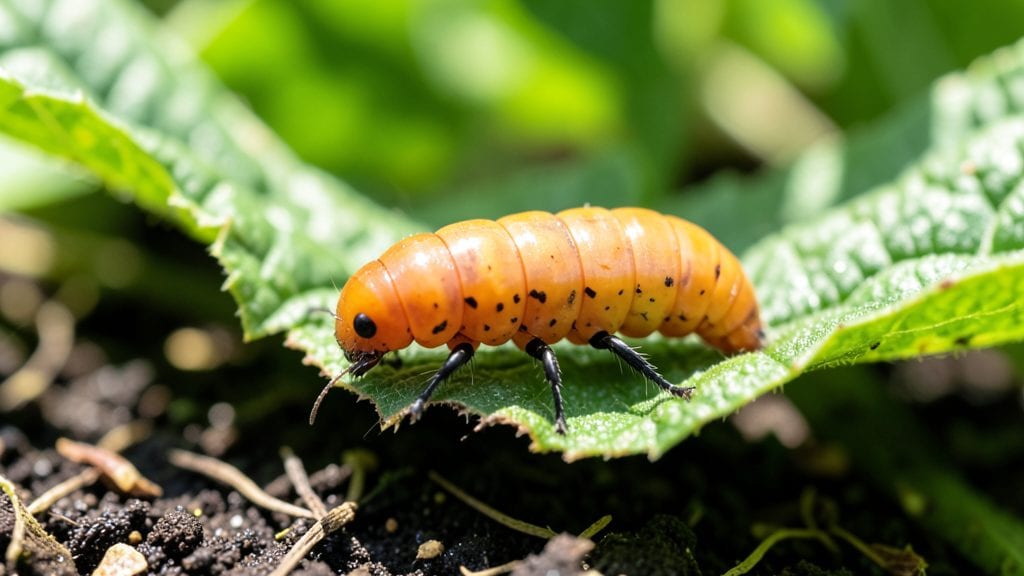
Mastering garden grubs identification before they destroy your plants saves you from heartbreaking losses—like the time I found my tomato seedlings chewed to nubs overnight. 🌱 These creepy crawlies hide in soil, stems, and mulch, but knowing their telltale signs (size, color, damage patterns) helps you act fast.
Cutworms leave clean-cut stems, Japanese beetle grubs create brown, wilted patches, and wireworms chew irregular holes in roots.
The worst part? Many grubs look alike until you spot the details—like the white, C-shaped Japanese beetle grubs or the glossy black wireworms. Beneficial grubs (like soldier beetle larvae) have striped backs or soft bodies, while harmful ones leave behind unmistakable destruction.
Grab a flashlight after dark when they’re most active, and you’ll spot them before they ruin your garden.
Once you know what you’re dealing with, control becomes simple: handpick cutworms at night, use nematodes for grubs, or mulch heavily to deter wireworms. The key is catching them early—before your plants look like a buffet for hungry larvae. I’ve saved entire beds this way, and you can too.
This guide covers the most common backyard invaders, so you’ll know exactly what’s munching on your plants—and how to stop it. No more guessing, no more wasted effort. Let’s get those grubs identified and out of your garden for good.
Root Causes Of Grub Infestations
Grubs—those squirming, C-shaped larvae of beetles—don’t just appear out of nowhere. Their presence in your garden is usually a sign of underlying conditions that make your soil the perfect buffet.
Understanding why these pests thrive helps you disrupt their life cycle before they devour your lawn roots. Here’s a breakdown of the key factors at play.
Grubs love moist, soft soil—it’s like a five-star hotel for them. When your lawn receives excessive irrigation or sits on heavy clay, water pools in the root zone, creating ideal breeding conditions.
Compacted soil (often from foot traffic or machinery) also makes it easier for female beetles to lay eggs just below the surface.
Why it matters: Grubs can’t survive in dry soil, but overwatering turns your yard into a larval paradise. Compacted soil also weakens grass roots, making them easier targets for feeding grubs.
Grubs start as eggs—tiny, white, and barely visible—laid by adult beetles like Japanese beetles, June bugs, or European chafer beetles. These beetles are attracted to healthy, lush lawns (their favorite snack) and warm, sunny conditions (perfect for egg development).
The timeline:
- May–July: Beetles emerge, mate, and lay eggs in the top 1–2 inches of soil.
- 2–4 weeks later: Eggs hatch into grubs, which begin feeding on roots.
Pro tip: 🌡️ If your lawn is thriving in late spring/early summer, you’re likely a prime target for beetle egg-laying.
Neglected lawns with thin grass, patchy growth, or lack of aeration are grubs’ dream come true. Weak grass roots can’t compete, and grubs feast unchecked. Additionally, excessive nitrogen fertilizer (especially late in the season) can stimulate rapid grass growth—attracting more beetles to lay eggs.
Key triggers: -
- Mowing too short (stresses grass, exposes soil for egg-laying).
- Skipping aeration (compacted soil = grub heaven).
- Over-fertilizing in summer (encourages beetle activity).
Warning sign: 🚨 If your lawn suddenly develops sponge-like patches that pull up easily, grubs are likely the culprit.
Grubs thrive in warm, humid conditions—ideal in late summer when soil temps hover around 70–80°F (21–27°C). Regions with hot summers and mild winters (like the Midwest or Southeast U.S.) see worse infestations because beetles have longer breeding windows.
Seasonal breakdown:
- Spring: Grubs hatch and start feeding.
- Summer: They grow rapidly, causing visible damage.
- Fall: Mature grubs pupate into beetles, repeating the cycle.
Regional note: ❄️ In colder climates, grubs may survive winter in deeper soil layers, emerging stronger in spring.
Some grubs are plant-specific. For example:
- Actionable insight: If your lawn type matches a grub’s favorite menu, you’re more vulnerable. Diversifying plantings (e.g., adding clover or deep-rooted ground covers) can disrupt their feeding patterns.
Quick Fixes for Garden Grubs
Now that you’ve identified the culprits wreaking havoc in your garden—whether it’s Japanese beetles, cutworms, or grubs—it’s time to act! The good news? Most grub problems can be tackled with a mix of natural remedies, cultural fixes, and targeted treatments.
Below, we’ve mapped out the best solutions based on the type of grub and the damage they’re causing, plus prevention tips to keep your garden thriving long-term.
Cause: White grubs (like those from Japanese beetles or June bugs) munching on roots, leading to wilting or dead patches. Fix:
- Handpick & Drown: 🔪 Dig up infested areas (especially lawns) and scoop out grubs. Drop them in soapy water to kill them instantly.
- Milky Spore Treatment: 🌱 A natural bacteria (Bacillus popilliae) that targets grubs. Sprinkle it on lawns in early fall—it builds up over time!
- Nematodes (Beneficial): 🐛 Microscopic worms (Heterorhabditis bacteriophora) that hunt grubs. Apply in spring or fall when soil is moist.
Prevention Tips: ✨ Aerate your lawn yearly to disrupt grub eggs. ✨ Reduce grub-friendly grasses (like Kentucky bluegrass) if you’re in a hotspot. ✨ Mow high (3–4 inches) to stress grubs out—shallow roots = less food!
Cause: These green or brown caterpillars hide in soil by day, then climb plants to devour leaves, stems, and even fruits. Fix:
- Collar Barrier: 👨🍳 Wrap the base of young plants with cardboard, aluminum foil, or plastic collars (4–6 inches tall). Grubs can’t climb!
- Diatomaceous Earth (DE): 🌡️ Sprinkle food-grade DE around plants—it’s a gritty powder that dehydrates cutworms. Reapply after rain.
- Neem Oil Spray: 🍃 A natural pesticide that disrupts their life cycle. Spray at dusk for best results.
Prevention Tips: ✨ Remove plant debris (where cutworms pupate) in fall. ✨ Plant marigolds or tansy—their scent repels cutworms. ✨ Handpick at night (they’re sluggish then!) and drop in soapy water.
Cause: These yellow or brown wire-like larvae (from click beetles) chew through seedlings, bulbs, and roots, leaving holes in soil. Fix:
- Gritty Soil Barrier: 🏗️ Mix coarse sand or gravel into planting holes—wireworms dislike the texture.
- Beetle Trap Crops: 🌽 Plant corn or wheat nearby—wireworms love them. Once they’re infested, remove and destroy the plants.
- Bait Stations: 🐛 Use bran + molasses bait in jars buried in soil. Wireworms crawl in and drown.
Prevention Tips: ✨ Avoid fresh manure in gardens—it attracts wireworm eggs. ✨ Rotate crops yearly to break their life cycle. ✨ Encourage birds (like robins) with shallow water dishes—they eat wireworms!
No matter the pest, these proactive steps work for most grubs:
- Healthy Soil = Strong Plants: 💪 Test soil pH and amend with compost—stressed plants attract more pests.
- Beneficial Insects: 🐝 Attract ground beetles, toads, and birds with diverse plantings and water sources.
- Early Monitoring: 🔍 Check for frass (insect poop) or chewed roots in spring—catch problems before they spread!
Remember: The key is consistency. Grubs thrive in moist, undisturbed soil, so stay vigilant, especially after rain. With these fixes, your garden will bounce back—and stay grub-free! 🌱🚫🐛
Frequently asked questions
How can I tell if my garden has grubs without digging?
Look for wilted patches in lawns or chewed stems on plants—classic grub damage. At night with a flashlight, check for white, C-shaped larvae (Japanese beetle grubs) or glossy black wireworms in topsoil. Early morning, search for bird activity (robins love grubs) or molehills (moles eat them too).
Are all grubs bad for my garden?
No! Some grubs are beneficial, like soldier beetle larvae (striped backs) or ladybug larvae (spiky bodies). Harmful ones (Japanese beetle grubs, cutworms) leave behind irregular holes in roots or clean-cut stems. Always check for damage patterns before acting—don’t kill the good guys!
What’s the best time of day to find grubs?
Go at dusk or dawn when soil is damp and grubs are most active. Cutworms climb plants at night, while white grubs burrow near the surface. Avoid midday—soil dries out, making them harder to spot. A moistened paper towel under a board overnight can also reveal hidden grubs.
Can I use coffee grounds to repel grubs?
Coffee grounds won’t kill grubs but may deter some beetles due to their acidity. For better results, mix food-grade diatomaceous earth (DE) into soil—it dehydrates grubs. Sprinkle 1 cup per 10 sq ft around plants and reapply after rain. Avoid overusing coffee grounds; they can alter soil pH over time.
How long do grub treatments take to work?
Natural methods like nematodes or milky spore take 2–4 weeks to show results, while handpicking or DE works immediately. Chemical pesticides (like imidacloprid) kill grubs in 1–3 days but require reapplication. For best success, combine treatments (e.g., nematodes + aeration) and monitor soil moisture—grubs need damp conditions to thrive.