Tools
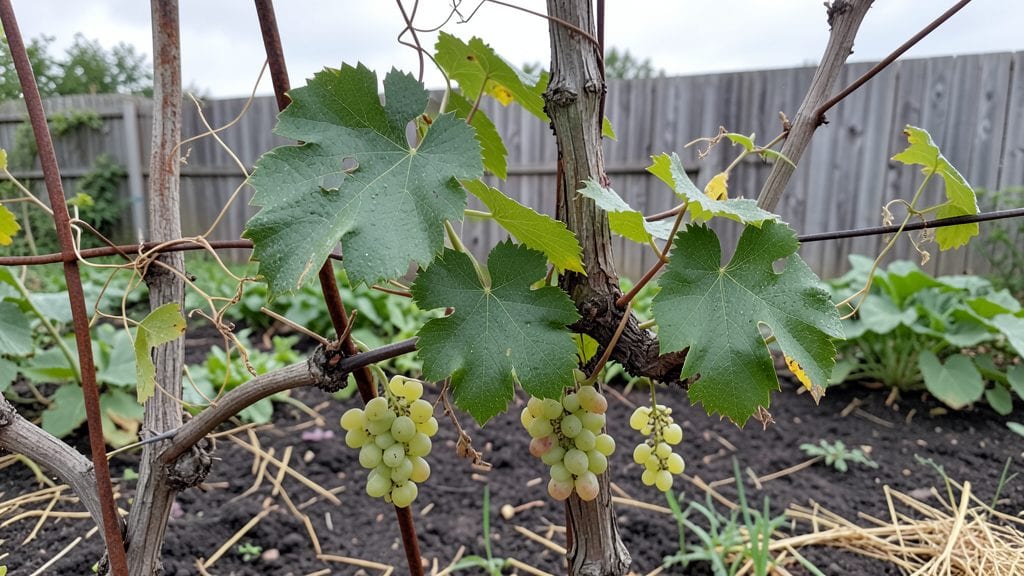
Growing garden grape vines means fresh fruit year after year—if you master the pruning. 🌱 I’ve wrestled with these stubborn vines for years, and the difference between a productive plant and a tangled mess comes down to timing, cuts, and patience.
The first year is all about getting the structure right; after that, it’s just maintenance and watching clusters swell with juice.
You’ll need a sturdy trellis or arbor (grapevines can get heavy), well-draining soil with plenty of organic matter, and a sunny spot with at least 6 hours of direct light daily. Most home gardeners gravitate toward Concord, Thompson Seedless, or Niagara varieties—they’re hardy, productive, and forgiving for beginners.
The real secret weapon? Pruning in late winter before buds swell, which forces the vine to focus energy on fruit instead of wild growth.
By summer, you’ll be harvesting clusters so plump they burst with flavor—sweet, tart, or jammy, depending on the variety. The vines themselves become a living trellis, draping with glossy leaves and fruit that ripens in waves.
With the right technique, you’ll avoid common pitfalls like powdery mildew (spray copper fungicide preventatively) or overcrowded canes (prune aggressively in Year 2).
This method works in USDA Zones 5-10, though colder climates need winter protection. Whether you’re training a single vine along a fence or building a full arbor, the principles stay the same—structure, sunlight, and pruning. Let’s get those vines thriving!
📚 In This Guide
- What you need
- Instructions
- Tips and common mistakes
- Wrapping up and next steps
What you need
- ● Grape Vine: 1-2 healthy grapevine plants (bare-root or potted), preferably disease-resistant varieties like Concord, Thompson Seedless, or Muscat.
- ● Check for male and female flowers if your variety isn’t self-pollinating (some grapes are dioecious).
- ● Soil & Fertilizer: Well-draining, slightly acidic soil (pH 5.5–6.5). Amend with compost or aged manure if needed.
- ● Balanced 10-10-10 fertilizer (1–2 lbs per vine) or organic options like bone meal or fish emulsion.
- ● Epsom salt (1 tbsp per gallon of water) for magnesium boosts (especially for leaf issues).
- ● Planting Supplies: 1 5-gallon bucket of soil mix (for potted vines) or a 2–3 ft deep, 3 ft wide planting hole (for in-ground).
- ● 2–3 galvanized plant stakes (6–8 ft tall) or a trellis system (for support).
- ● Pruning shears (sharp, bypass-style for clean cuts).
- ● Watering & Protection: Drip irrigation system or soaker hose (1–2 ft long).
- ● Mulch (straw or wood chips, 2–3 inches thick) to retain moisture.
- ● Frost cloth or row covers (for young vines in cold climates).
- ● Grafting tools (if propagating from cuttings).
- ● Grapevine food (specialized fertilizer for vines).
- ● Pest control: Neem oil, horticultural oil, or beneficial insects (ladybugs for mites).
- ● Grow lights (for indoor starts or extending the season).
- ● Harvesting tools: Pruning shears, gloves, and grape clippers (for large clusters).
Step-by-step instructions for planting and pruning garden grape vines
Here’s the precise approach I’ve used to cultivate healthy, productive grape vines—where pruning isn’t just maintenance, but the key to year-round fruit.
🌱 Step 1: Plant Your Vine in the Right Location and Soil
Choose a site with full sun exposure (6-8 hours daily) and well-draining soil—grape vines despise soggy roots. Amend heavy clay with 2-3 inches of compost mixed into the top 12 inches of soil to improve aeration. I dig a hole twice as wide as the root ball but only as deep as the container’s base—planting too deep suffocates the graft union if using grafted varieties.
Position the vine so the graft union (the swollen area near the base) sits 2-3 inches above soil level. This prevents rot and ensures strong regrowth. Water deeply immediately after planting to settle the soil and remove any air pockets around the roots. Mulch with 3-4 inches of organic mulch (like wood chips) to retain moisture and suppress weeds, but keep it 6 inches away from the trunk to avoid rot.
✂️ Step 2: Prune for Structure in the First Year
The first year is all about establishing a strong framework. After planting, prune back the main vine to 12-18 inches from the base, leaving 2-3 buds on the remaining stem. This forces the vine to develop multiple strong canes instead of one weak, leggy shoot. Remove any suckers (shoots growing below the graft union) immediately—they drain energy from fruit production.
I label each cane with a small flag to track its growth. By late summer, you’ll see new shoots emerging from the buds. Select the 4-6 strongest, most upright canes and prune the rest back to a bud. These will become your primary fruiting arms next season. Avoid heavy pruning in winter—wait until late winter or early spring when the vine is still dormant but buds are swelling.
☀️ Step 3: Train and Prune for Fruit Production in Year Two
By the second year, your vine should have 4-6 mature canes. In late winter, prune each cane back to 10-12 buds, leaving the strongest, most outward-facing buds. This encourages fruit to grow on the outer portions of the vine, making harvesting easier. Remove any dead, diseased, or crossing canes—crossing canes rub against each other, creating wounds that invite rot and pests.
Install a trellis or arbor if you haven’t already. Grape vines need support, and proper training increases airflow, reducing fungal diseases. Spread the canes evenly along the trellis wires, securing them with soft ties (like old T-shirts or horticultural tape). You’ll see new shoots emerge from the buds in spring—these are your fruiting spurs. Thin these shoots to 1-2 per bud to focus energy on fruit development rather than excessive foliage.
⏰ Step 4: Maintain Through the Growing Season
Water deeply once a week during the first year and 2-3 times per week in the second year, especially during fruit set and ripening. Grape vines are drought-tolerant once established, but consistent moisture prevents fruit from splitting or shriveling. I water at the base in the early morning to reduce evaporation and fungal risks.
Fertilize lightly in early spring with a balanced, slow-release fertilizer (10-10-10) to encourage even growth. Avoid heavy nitrogen—it promotes leafy growth at the expense of fruit. Watch for powdery mildew, a common grape vine disease. If you see white, powdery spots on leaves, treat immediately with a fungicide or a homemade baking soda spray (1 tablespoon baking soda + 1 teaspoon oil + 1 gallon water). Prune out any infected leaves to prevent spread.
🍇 Step 5: Harvest and Prepare for Winter Dormancy
Harvest grapes when they’re fully colored and slightly soft to the touch—this usually occurs in late summer to early fall, depending on your climate. Gently twist the grape cluster from the vine to avoid damaging the stem. Rinse the fruit in cool water and store in a cool, dry place for up to 2 weeks. For long-term storage, freeze or make jelly.
After harvest, prune again to remove any remaining fruit clusters, dead leaves, or weak canes. This cleanup reduces winter pests and diseases. In late fall, apply a 2-3 inch layer of mulch around the base of the vine to insulate roots from freezing temperatures. If you’re in a cold climate, wrap the trunk with burlap or a protective sleeve to prevent sunscald and frost cracks. Your vine is now ready for another year of growth—pruning in late winter will set it up for next season’s fruit.
Tips & tricks for perfect garden grape vine cultivation
These are the hard-won lessons that'll transform your grape vine from a hopeful experiment into a thriving fruit producer—no green thumb required.
Location and Soil Precision: Don't just pick sunny—aim for that 6-8 hours of direct sunlight daily with no afternoon shade. I've seen vines in partial shade produce tiny, flavorless grapes. For soil, test your drainage by digging a hole and filling it with water—if it doesn't drain within 6 hours, amend with more compost. The 2-3 inches of compost mixed into the top 12 inches of soil creates the perfect porous environment for roots to breathe. Trust me on this: soggy roots are the #1 killer of young vines.
Graft Union Protection: That swollen area where the vine meets the rootstock (the graft union) needs to stay 2-3 inches above soil level—this is non-negotiable. I've seen beginners bury it too deep, which suffocates the vine and leads to rot. Use a small stake to mark the proper depth before planting, and check it after watering to ensure it hasn't settled below grade. This one detail makes the difference between a thriving vine and a sad, stunted plant.
Pruning Timing Strategy: The instructions mention pruning in late winter/early spring, but here's the real secret: watch for bud swell. When those little buds start plumping up (usually February-March in most climates), that's your cue—even if it's technically still winter. I've learned this the hard way after pruning too early and getting frost damage on fresh cuts. For first-year vines, that 12-18 inch prune back should leave you with 2-3 buds that look plump and healthy, not shriveled or brown.
Trellis Training Hack: When installing your trellis, space the wires 12-18 inches apart vertically—this gives you flexibility to adjust cane heights as your vine grows. I use soft fabric strips (cut from old T-shirts) to tie canes because they stretch as the vine thickens, preventing the kind of girdling that strangles growth. And here's a pro move: train your main canes to spread outward at a 45-degree angle along the wires. This creates better air circulation than vertical growth, which is your first line of defense against fungal diseases like powdery mildew.
Pro Tips for Garden Grape Vine
- These are the hard-won lessons that'll transform your grape vine from a hopeful experiment into a thriving fruit producer—no green thumb required.
- Location and Soil Precision: Don't just pick sunny—aim for that 6-8 hours of direct sunlight daily with no afternoon shade.
- Graft Union Protection: That swollen area where the vine meets the rootstock (the graft union) needs to stay 2-3 inches above soil level—this is non-negotiable.
Frequently asked questions
Got questions about growing your own garden grape vine? You’re not alone! Whether you’re a first-time gardener or a seasoned pro, these common queries can help you navigate the journey from planting to harvest. Let’s dive in:
How long does it take for a grape vine to produce fruit?
A newly planted grape vine typically takes 2–3 years to bear fruit, depending on the variety and growing conditions. Patience is key—focus on establishing strong roots and proper pruning in the first year to set the stage for future harvests.
When is the best time to prune grape vines?
Prune grape vines dormant season (late winter or early spring, before buds swell) for best results. Avoid heavy pruning in fall, as it can leave cuts vulnerable to disease. A light cleanup in late fall to remove dead wood is fine, but save major shaping for winter.
What are the most common pests or diseases affecting grape vines?
Watch for Japanese beetles, aphids, and powdery mildew—especially in humid climates. Use neem oil or insecticidal soap for pests and ensure good airflow between vines to prevent fungal issues. Regular inspections and proper spacing (6–10 feet apart) go a long way!
Can I grow grape vines in containers, or do they need a trellis?
Yes! Grape vines thrive in large containers (at least 15-gallon size) with proper drainage, especially for table grapes. A sturdy trellis or arbor is essential—it supports growth, improves airflow, and makes harvesting easier. Dwarf varieties like ‘Thompson Seedless’ are great for containers.
What’s the ideal temperature range for grape vines?
Grape vines love warm climates (USDA Zones 5–10) but can handle brief cold snaps if dormant. Most varieties need 100–200 chill hours (below 45°F) to produce fruit. In hotter zones, shade cloth can protect grapes from sunburn during peak summer.
Pro Tip:
Need a quick fix for slow growth? Test your soil’s pH—grape vines prefer 6.0–6.5. Amend with compost or sulfur if needed, and mulch heavily to retain moisture. Happy vines = happy grapes!
Wrapping up and next steps
Growing your own garden grape vine is a rewarding journey that blends patience, skill, and a touch of nature’s magic! 🌱 With the right pruning techniques, soil prep, and a little TLC, you’ll soon enjoy sweet, homegrown grapes year after year.
Whether you’re a seasoned gardener or a curious beginner, the key is consistency—stay engaged with your vine’s growth, and you’ll be harvesting delicious fruit in no time.
Ready to take the next step? Start small—plant your first vine this season, and let the learning (and tasting!) begin. Before you know it, you’ll be sharing jars of homemade grape jelly or fresh clusters with friends. Your grape vine’s future is in your hands—go grow something amazing!