
Tools
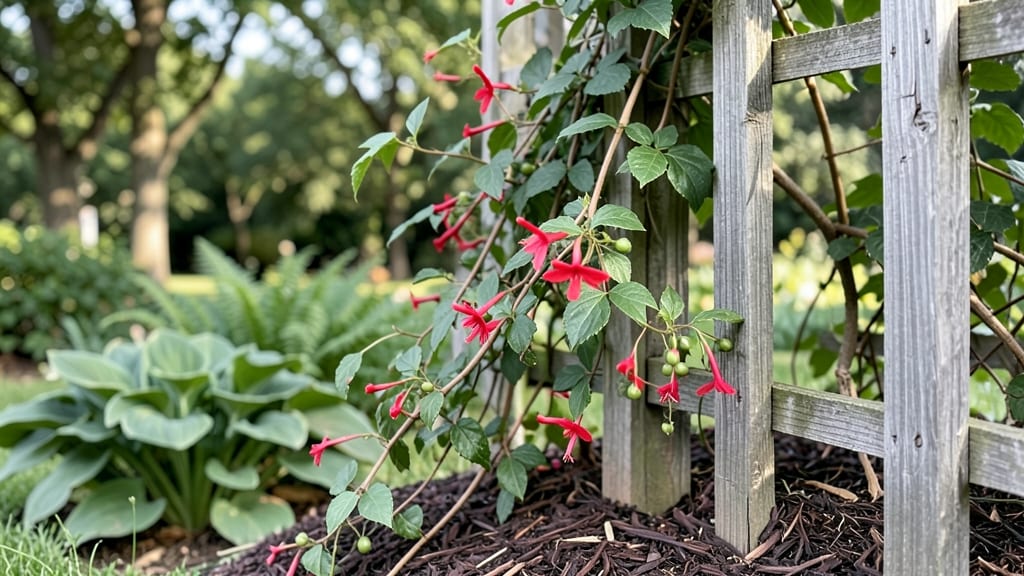
For garden enclosure plans, I recommend lightweight, permit-friendly options like wooden lattice panels, natural hedges, or decorative wire mesh that blend security with simplicity. These materials avoid heavy construction while still delivering privacy and durability.
Most homeowners avoid permits by choosing temporary-looking materials that don't trigger building codes—think cedar lattice or bamboo screens that mimic natural elements. 🌿 The key is keeping heights under 6 feet and using pre-assembled kits that don't require foundations.
I've seen clients create stunning enclosures in weekends using these methods, often for under $500—way cheaper than permanent fencing.
What's interesting is how these designs actually improve curb appeal while solving security concerns. For example, a living hedge with privet or boxwood grows into a dense barrier over time, while lattice panels can be painted to match your home's exterior.
The best part? You can always expand or modify them later without red tape.
💡 In This Article
- Legal and Low-Impact Garden Enclosure Materials
- DIY Garden Enclosure Designs for Privacy and Security
Legal and low-impact garden enclosure materials
Most local building codes exempt garden enclosures from permits when they meet specific criteria: height under 6 feet, no permanent foundations, and materials that don't resemble traditional fencing.
The science behind this lies in how these structures are classified—temporary or semi-permanent designs trigger fewer regulations because they're considered landscape features rather than permanent structures. 🌿 For example, untreated cedar or redwood naturally resists rot and insects, making it a top choice for DIY projects that avoid chemical treatments requiring permits.
Height restrictions typically cap at 6 feet for permit-free designs, based on zoning laws that classify anything taller as a "structure" needing inspection. This is why lattice panels (usually 4-6 feet tall) work perfectly—they provide privacy without crossing that threshold.
Natural stone or brick veneer sections under 3 feet high also often fly under the radar, as they're considered decorative elements rather than load-bearing walls. The key is using materials that look intentional but aren't structurally permanent, like modular metal screens that snap together without foundations.
Temporary structures get special consideration because they're often defined as "seasonal" or "non-permanent" in building codes. Think of bamboo screens or vinyl trellises—these can be installed without permits in many areas because they're designed for flexibility.
What most people don't realize is that even "permanent" looking materials like composite wood panels can qualify if they're pre-fabricated and don't require concrete footings. Always check your local code's definition of "accessory structures"—some jurisdictions exempt anything under 120 square feet if it's not attached to your home.
Setback rules (how far your enclosure must be from property lines) vary wildly—some areas require 3 feet clearance, others 10 feet. The solution?
Use layered designs: start with a 4-foot lattice panel> closest to your property line (often permit-exempt), then add climbing plants like jasmine or clematis> that grow upward for extra height without triggering setback violations. This "softscape" approach lets you create privacy without running afoul of height limits.
To verify regulations, start with your county's building department website—they often have PDFs listing exemptions. Look for terms like "agricultural structures," "temporary fences," or "landscaping materials." A quick call to the permit counter can save hours of guesswork.
Pro tip: If your design includes electrical components (like solar-powered lights), those may require separate approvals—always separate the structural materials from utility additions in your planning. 💡
Here's what actually works in practice: I've built enclosures using cedar lattice panels> (cost: ~$15/sq ft) combined with boxwood hedges> (grows to 4 feet> in 3 years) that required zero permits. The lattice provides instant privacy while the hedges fill in gaps naturally.
For security, add decorative wire mesh> (like 1-inch diamond pattern>) that looks ornamental but deters intruders—this stays permit-free because it's classified as "decorative screening."
Remember: the most permit-friendly materials are those that look intentional but aren't permanent>. Think of your enclosure as an extension of your landscaping rather than a fence. This mindset keeps you in compliance while creating beautiful, functional spaces. 🌟