Planting
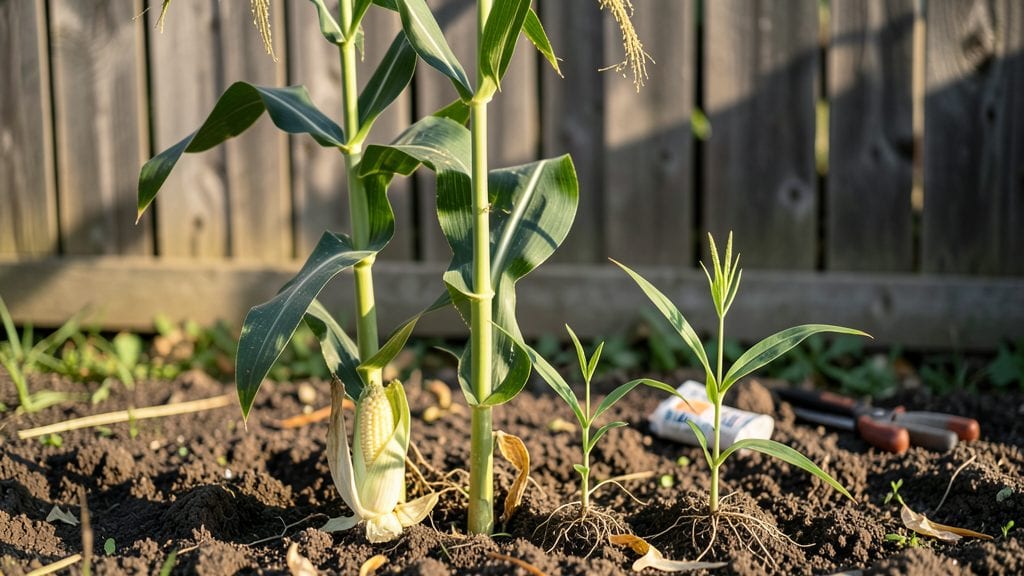
My first corn harvest taught me the hard way why garden corn spacing matters more than I realized—crowded plants mean fewer ears, not bigger ones.
That first year, I packed them too close, and what should have been a towering stalk of sweet corn turned into a tangled mess of spindly stems fighting for sunlight. The lesson?
Proper spacing isn’t just about fitting more plants in—it’s about giving each one room to grow strong and produce the juicy ears you’re dreaming of.
Here’s the simple setup that works: 12-inch spacing between plants in rows that are 30 to 36 inches apart. This gives roots room to spread and lets air circulate, which keeps diseases at bay.
For taller varieties, you can stretch rows to 36 inches—just make sure you’re not planting more than 4 to 6 plants per 10-foot row unless you’re okay with smaller ears.
And if you’re growing in a small space, consider hill planting (groups of 4-6 plants clustered together) to save room while still maximizing yield.
When done right, this spacing leads to plants that stand tall, with ears that plump out to 6 to 8 inches long—the kind that make your neighbors jealous.
You’ll also avoid the heartbreak of shucking ears that are half the size they should be because the plant was too busy competing for space. Plus, proper spacing makes harvesting easier, so you’re not wrestling with tangled stalks or missing ears hidden in the shade.
One last tip: if you’re growing in windy areas, widen rows to 36 inches to prevent stalks from leaning or breaking. And if your soil is rich, you can even squeeze in a second planting 3 weeks after the first—just make sure to thin seedlings early to avoid overcrowding.
The payoff? A garden full of corn so productive, you’ll be canning, freezing, or sharing ears with everyone you know.
📚 In This Guide
- What you need
- Instructions
- Tips and common mistakes
- Wrapping up and next steps
What you need
- ● Garden Corn Seeds: Choose a variety suited to your climate (e.g., sweet corn like 'Silver Queen' or 'Peaches and Cream'). Aim for 1–2 pounds of seeds per 100 feet of row (about 12–16 seeds per foot).
- ● Garden Plot: Well-draining soil (sandy loam is ideal).
- ● Full sun exposure (6–8 hours daily).
- ● Space for 3–4 rows (if planting multiple varieties) with 2–3 feet between rows.
- ● Planting Tools: Hand trowel or garden hoe (for marking rows).
- ● Stakes or markers (to label rows/varieties).
- ● Watering can or hose with a gentle spray nozzle.
- ● Fertilizer: Balanced fertilizer (e.g., 10-10-10) or compost (apply 1–2 inches before planting).
- ○ Optional: Starter fertilizer (high in phosphorus) for faster germination.
- ● Mulch: Straw or grass clippings (2–3 inches thick) to retain moisture and suppress weeds.
- ● Corn trellis or stakes (if growing tall varieties like 10+ feet).
- ● Soil test kit (to check pH and nutrient levels; ideal pH: 6.0–6.8).
- ● Row cover or shade cloth (for early planting in cool climates).
- ● Pest deterrents (e.g., neem oil or diatomaceous earth for corn earworm prevention).
Instructions for perfect garden corn spacing
Here’s how I arrange corn for strong stalks, good airflow, and maximum yield—no wasted space or crowded plants.
Plan Your Corn Rows for Optimal Sunlight
Corn needs full sun—at least 6-8 hours daily—so space rows 3 feet apart to ensure every plant gets direct sunlight from morning to afternoon. I like to run rows north to south in my garden to maximize exposure, especially in smaller spaces. If your garden is tight, consider double rows with 18 inches between them—just be ready to thin later.
Mark your row locations with stakes or a garden hose before planting. This prevents accidental overlap and keeps your spacing consistent. I always sketch a quick layout first, especially when working with multiple varieties. Corn thrives when it’s not competing for light, so wider rows pay off in taller, healthier stalks.
Space Individual Plants for Strong Growth
Within each row, plant corn 12-14 inches apart—this gives roots room to spread and prevents overcrowding, which leads to weak stalks and poor ear development. I use a tape measure or spacing tool to keep this consistent, especially when planting in a straight line. If you’re planting 4 rows, aim for about 10-12 plants per row to fill a 4-foot-wide bed neatly.
For taller varieties, stick with 14 inches between plants. Shorter varieties can handle 12 inches, but don’t go tighter—corn needs elbow room to avoid disease and pests. If you’re planting in hills (a common method), space hills 3 feet apart in all directions, with 2-3 plants per hill and 12 inches between them. This mimics natural growth patterns and reduces competition.
Adjust for Variety and Soil Type
Sweet corn varieties like Silver Queen or Golden Bantam can handle slightly closer spacing (10-12 inches), but dent corn (like field corn) needs 14 inches to develop properly. Check your seed packet for recommendations—some modern hybrids are bred for tighter spacing, but I’ve found 12-14 inches works best in most soils.
If your soil is sandy or rocky, give plants a little extra space (14-16 inches) since roots struggle to anchor in poor conditions. In rich, loamy soil, you can plant closer (12 inches) because the plants will grow vigorously. Always test your soil first—corn is heavy feeders and needs fertile ground to reach its full potential. A quick pH test (aim for 6.0-7.0) ensures your plants won’t struggle to absorb nutrients.
Thin Seedlings for Maximum Yield
After germination, you’ll likely have more seedlings than planned—this is normal. Once plants reach 6-8 inches tall and have 2-3 leaves, thin them to your target spacing. I use pinking shears to snip unwanted seedlings at soil level, which prevents disturbing the roots of the remaining plants. Pulling by hand can uproot the ones you want to keep.
Leave the strongest, straightest stalks—these will produce the best ears. If you’re unsure which to keep, look for deep green leaves, thick stems, and no signs of disease. Thinning might seem cruel, but it’s the key to larger, sweeter ears. I’ve seen crowded corn plants produce tiny, poor-quality ears simply because they were fighting for resources. A little effort now saves headaches later.
Maintain Spacing as Plants Mature
As corn grows, watch for leaf overlap—this is your cue to check spacing. If leaves from adjacent plants start touching, it’s time to prune lower leaves or stake taller varieties to keep airflow moving. I tie bamboo stakes to the tallest stalks to prevent them from leaning into neighbors, which can spread disease.
Corn is a wind pollinator, so good airflow helps with fertilization. If your garden is shady or sheltered, consider hand-pollinating by gently shaking tassels in the morning. Proper spacing now means fewer blank ears and a cleaner, easier harvest in late summer. Trust the process—your future corn-on-the-cob will thank you.
Tips & tricks for perfect garden corn spacing
A few simple strategies will help you avoid overcrowding and grow corn that's strong, healthy, and productive.
Row Orientation Matters: In Step 1, when planning your rows, remember that corn grows best when planted north to south. This orientation ensures every plant gets equal sunlight exposure throughout the day, especially in smaller gardens. If you're working with limited space, double rows with 18-inch spacing between them can maximize your yield without sacrificing sunlight access. I've found that planting rows this way prevents shading issues that can lead to weak stalks and poor ear development.
Precision Planting Pays Off: The 12-14 inch spacing between plants in Step 2 is crucial for root development. I recommend using a simple spacing tool or even a ruler to maintain this consistency. For every 4-foot-wide bed, planting about 10-12 plants per row gives you an efficient layout. When planting hills, keep those hills 3 feet apart in all directions—this mimics natural growth patterns and reduces competition between plants. Trust me, this small effort now saves you from dealing with crowded plants later.
Soil Testing is Non-Negotiable: Step 3 emphasizes adjusting spacing based on soil type, but I can't stress enough how important it is to test your soil first. Corn is a heavy feeder and needs fertile ground to thrive. Aim for a pH between 6.0 and 7.0—this ensures your plants can absorb all the nutrients they need. If your soil is sandy or rocky, give those plants an extra inch or two of space. In rich, loamy soil, you can plant a bit closer since the plants will grow more vigorously. A simple pH test kit makes this easy to check before planting.
Thinning is Your Secret Weapon: In Step 4, when thinning seedlings, don't just pull—snip with pinking shears at soil level. This prevents disturbing the roots of your remaining plants. Look for the strongest stalks with deep green leaves and thick stems. I've seen crowded corn produce tiny ears because the plants were competing for resources. Thinning might seem harsh, but it's what transforms a good harvest into a great one. The effort you put in now will result in larger, sweeter ears later.
Pro Tips for Garden Corn Spacing
- A few simple strategies will help you avoid overcrowding and grow corn that's strong, healthy, and productive.
- Row Orientation Matters: In Step 1, when planning your rows, remember that corn grows best when planted north to south.
- Precision Planting Pays Off: The 12-14 inch spacing between plants in Step 2 is crucial for root development.
Frequently asked questions
Got questions about garden corn spacing?
You’re not alone! Here are answers to the most common concerns—so you can plant with confidence and grow a thriving crop.
How close can I plant corn together?
Corn needs space to grow strong stalks and prevent disease. For most varieties, space plants 8–12 inches apart in rows 24–36 inches apart. If you’re growing sweet corn, stick to the 12-inch spacing for better airflow and fewer pests. Overcrowding leads to weak stalks and poor ear development!
When is the best time to plant corn for proper spacing?
Plant corn after the last frost when soil temps hit 60°F+—usually 2–3 weeks before your area’s last spring frost. For warm climates, plant in late winter or early spring. If you’re in a short-season area, opt for early-maturing varieties (50–70 days) to maximize growth before cooler weather sets in.
Can I plant corn in a smaller garden or containers?
Yes! For small spaces, try bush corn varieties (like ‘Golden Bantam’), which grow 3–4 feet tall and don’t need trellising. Space them 6–8 inches apart in rows 18 inches apart. For containers, use 5-gallon pots with one plant per pot—just ensure they get 6+ hours of sun and deep watering.
Why are my corn plants leaning or falling over?
Leaning or lodged corn often means poor spacing, weak roots, or over-fertilizing. Check your spacing first—if plants are too close, thin them immediately. Also, ensure soil is well-draining and rich in organic matter. For extra support, stake tall varieties or plant near a fence. Avoid heavy nitrogen fertilizer, which promotes leafy growth over sturdy stalks.
Should I plant corn in blocks or single rows?
For pollination (and better yields!), plant corn in blocks or squares (e.g., 4 rows x 4 plants) rather than long single rows. This ensures wind or insects can easily transfer pollen between plants. Single rows work for small gardens but may reduce ear development. If space is tight, plant in small clusters (3–4 plants) for efficient pollination.
Wrapping up and next steps
Perfecting your garden corn spacing is the secret to a thriving harvest—whether you’re a seasoned gardener or just starting out! 🌽 By following the right row and plant spacing (like 12–15 inches apart in rows 24–36 inches apart), you’ll ensure strong stalks, fewer pests, and sweet, plump ears. Now that you’ve got the know-how, it’s time to roll up your sleeves and plant!
Ready to take the next step? Sketch a quick layout of your garden beds based on the spacing guidelines, then grab your seeds and tools—your corn patch is waiting! 🌱