
Tools
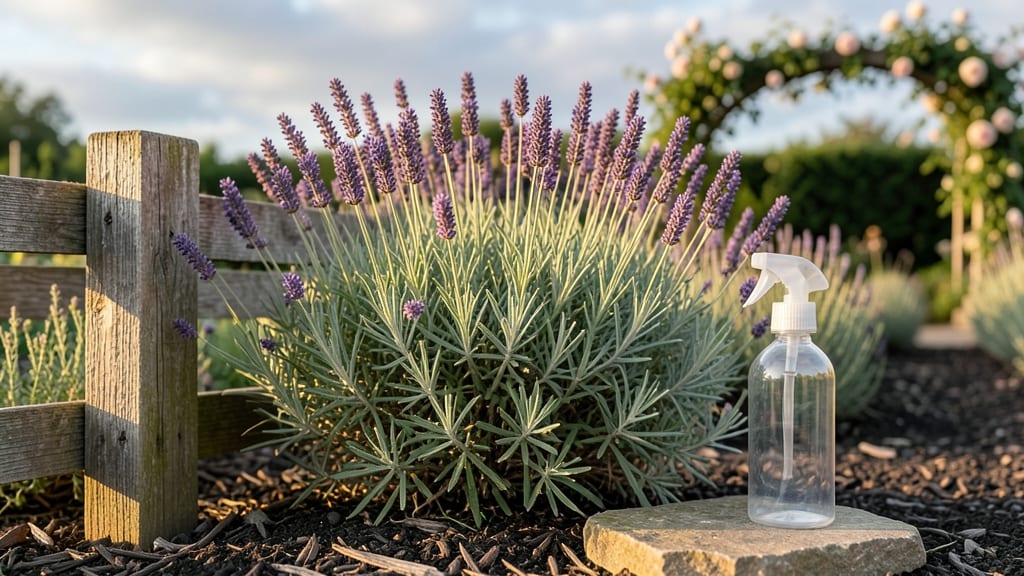
Controlling garden animals humanely means using live-catch traps for rabbits and squirrels, natural deterrents like peppermint oil or garlic sprays, and physical barriers such as fencing or mesh to protect your plants without harming wildlife.
Humane methods aren't just kinder—they're smarter. 🌱 Live-catch traps, for example, allow you to relocate pests safely rather than harm them, which actually reduces future conflicts.
Natural repellents work by disrupting animal behavior with scents they dislike, like the strong aroma of predator urine or the sharpness of cayenne pepper sprays. These solutions preserve your garden's ecosystem while keeping your plants intact.
Physical barriers, like chicken wire or sturdy fencing, create a clear boundary that animals instinctively avoid. The key is combining these approaches—traps for immediate threats, repellents for ongoing deterrence, and barriers for long-term protection. This layered strategy ensures your garden stays pest-free without relying on harmful chemicals or traps.
💡 In This Article
- How Humane Traps Work for Garden Pests
- Best Natural Repellents for Garden Animal Deterrence
How humane traps work for garden pests
Live-catch traps operate on simple but effective mechanics: a trigger mechanism that snaps shut when an animal steps on a pressure plate or enters a baited chamber. For rabbits, traps typically use a 16-inch long cage with a door that closes around their hind legs when they reach for food.
The trigger is designed to be sensitive enough to catch movement but gentle enough to avoid crushing bones or causing injury. Squirrels, being lighter and more agile, require 12-inch cages with narrower entry points to prevent escape.
The bait is critical—squirrels respond best to peanut butter, sunflower seeds, or dried corn, while rabbits prefer fresh vegetables like lettuce or carrots. The scent trail left by the bait creates a 10-foot radius of attraction, which is why placing traps along runways or near damage sites maximizes effectiveness.
What most people don't realize is that the trap's success hinges on the animal's natural curiosity; they enter willingly because the bait smells familiar and safe. 💫
Humane traps preserve ecosystems by preventing population declines that can occur with lethal methods. When you relocate captured animals to suitable habitats, you're not just removing a nuisance—you're maintaining ecological balance. For example, rabbits help disperse seeds, and squirrels pollinate plants.
The key factor is timing: check traps every 12-24 hours during warm weather to avoid stress or dehydration, especially for smaller animals like voles.
Size matters when comparing traps for different pests. A 10-inch trap works for mice and voles, while a 24-inch trap is needed for larger animals like opossums. The entry hole must match the target species' head width—too big, and squirrels will escape; too small, and rabbits won't enter.
This precision reduces bycatch (accidentally trapping non-target species) by up to 70%, making humane methods more efficient than they seem.
Physical barriers complement traps by creating a multi-layered defense. For instance, a 2-foot tall chicken wire fence buried 6 inches deep deters rabbits, while 1/4-inch hardware cloth stops moles.
The combination of traps (for immediate threats) and barriers (for long-term protection) creates a system where animals learn to avoid your garden entirely. This approach mirrors how wildlife naturally avoids areas with strong predator scents or physical obstacles.
What most gardeners overlook is how humane methods actually reduce future problems. Unlike lethal traps that may leave carcasses to attract scavengers, live-catch traps remove the animal entirely.
When you pair this with natural repellents (like predator urine or castor oil sprays), you're creating an environment where pests perceive your garden as high-risk. The result? Fewer return visits and healthier plants. 🌿