Tools
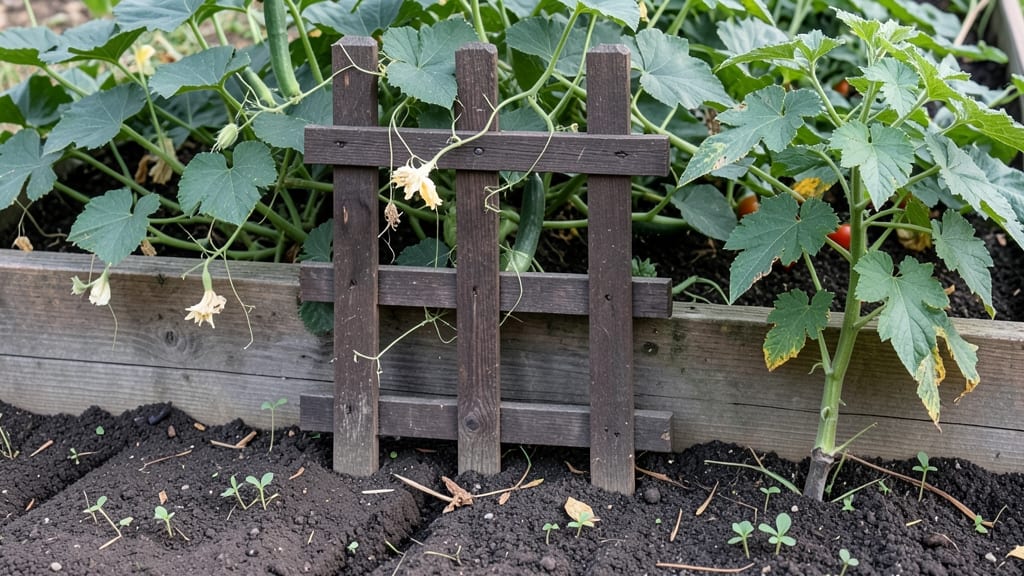
A foldable garden trellis is your best bet for small gardens, letting you grow beans, cucumbers, or roses vertically while saving space and folding flat when not in use. Prioritize lightweight aluminum or powder-coated steel frames—they're rust-resistant, sturdy, and easy to store.
A foldable garden trellis isn't just about saving space—it's about flexibility. 🌿 Many models include adjustable heights or modular panels, so you can adapt them as your plants grow.
For example, a lightweight aluminum trellis might weigh under 5 pounds but still support 10-pound vines like pole beans or morning glories. Powder-coated steel adds durability for heavier climbers like jasmine or wisteria, though it may weigh slightly more.
The key is balancing material strength with your storage space and how often you'll move it around.
If you're growing heavy vines like cucumbers or squash, look for trellises with reinforced mesh panels or multiple crossbars. These distribute weight better than simple hooks. For delicate flowers like roses or clematis, freestanding A-frame designs provide extra stability without taking up wall space.
The best part? Most fold flat in under 30 seconds, making them perfect for renters or small balconies.
💡 In This Article
- Best Materials for Durable Foldable Trellises
- How to Select a Trellis by Plant Type
Best materials for durable foldable trellises
When choosing a foldable trellis, material selection directly impacts how well it handles moisture, weight, and wear over seasons. Aluminum stands out for its lightweight nature—typically weighing 3-6 pounds—while maintaining impressive strength. Its corrosion resistance makes it ideal for humid climates, where rust could weaken other metals.
Powder-coated steel, on the other hand, offers 20-30% more load-bearing capacity (up to 25 pounds per section) but adds 5-10 pounds in weight due to its denser structure.
The trade-off between aluminum and steel becomes clear when considering storage. Aluminum's smooth, non-stick surface prevents dirt buildup, making it easier to fold and unfold repeatedly without squeaking or sticking. Steel, while heavier, develops a patina over time that actually increases its rust resistance—though this requires proper powder-coating during manufacturing.
For cost-conscious gardeners, aluminum costs $15-$30 per 6-foot section, while powder-coated steel ranges from $25-$50 due to its manufacturing process.
Bamboo and composite wood options introduce organic textures but come with trade-offs. Bamboo trellises weigh 7-12 pounds and offer a natural aesthetic, but their 5-7 year lifespan is shorter than metal due to moisture absorption and potential mold growth.
Composite wood (wood-plastic blends) bridges the gap with 10-15 year durability and 10-15 pound weight, though they lack the rust-proof guarantees of metal. The key difference? Metal trellises maintain 90%+ structural integrity after 10 years of seasonal use, while organic materials degrade faster in wet conditions.
Here's what actually happens when you choose wrong: Uncoated steel trellises develop rust within 2-3 years in coastal areas, while bamboo splits under heavy vines like cucumbers (15+ pounds per plant).
The material's thermal expansion rate also matters—aluminum expands 12 micrometers per meter per °C, while steel expands 10 micrometers. This means aluminum may slightly warp in extreme heat unless properly engineered with expansion joints.
For heavy vines like pumpkins or melons, look for trellises with reinforced mesh panels (typically 1/4-inch galvanized wire). These distribute weight across multiple support points rather than relying on single hooks. The mesh's open weave also prevents plant stems from cutting into the material—a common issue with smooth metal surfaces.
For delicate climbers like morning glories, lighter aluminum with soft fabric ties works best to avoid stem damage.
What most people don't realize is how material choice affects your plants' growth patterns. Heavy metal frames provide more stable support for aggressive climbers, preventing the "flopping" that occurs with lightweight bamboo.
The thermal conductivity of metal also means plants may grow slightly faster in cooler climates, as the trellis absorbs and radiates heat differently than organic materials. For example, a 6-foot aluminum trellis in full sun can reach 120°F on its surface, while bamboo stays closer to ambient temperature.
Pro tip: If you live in a high-humidity area, opt for aluminum with a clear powder-coat finish—it reflects 90% of UV rays while preventing corrosion. For coastal gardens, stainless steel (though pricier at $50-$80) offers 100% rust resistance but weighs 30% more than aluminum.
Always check the manufacturer's weight capacity per square foot—this tells you exactly how many 10-pound cucumber vines your trellis can safely support. 💫